Research
Reports
Independent analysis at the intersection of artificial intelligence, cryptocurrency, and Southeast Asia. No paid placements — only the thinking holds.
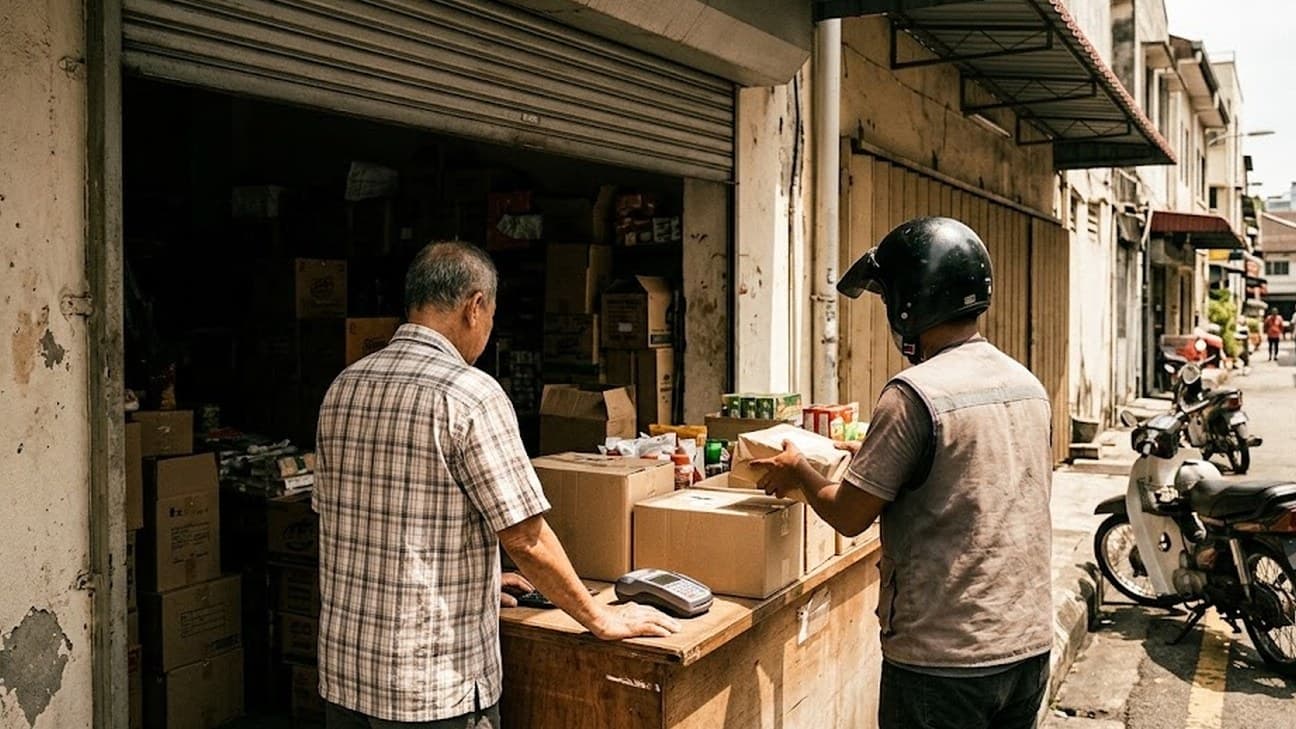
SEA Daily Brief: Malaysia Lifts SME Financing to RM57 Billion and Tops Up BNM's Relief Facility, Thailand Plans an SME Credit Portal, and Vietnam Wins Its First Investment-Grade Rating
Malaysia's Budget 2027 raises SME loan facilities and financing guarantees to RM57 billion from RM50 billion, while Bank Negara Malaysia adds RM5 billion to its SME Stabilisation Relief Facility after RM3.8 billion of the first tranche was approved. The Bank of Thailand outlined an SME credit portal, an alternative data exchange and a five-year guarantee scheme aimed at about 100 billion baht of new SME lending a year, after a four-year decline. Japan's R&I upgraded Vietnam to BBB-, the first investment-grade rating from an international agency, while Moody's, S&P Global and Fitch still rate it sub-investment grade.
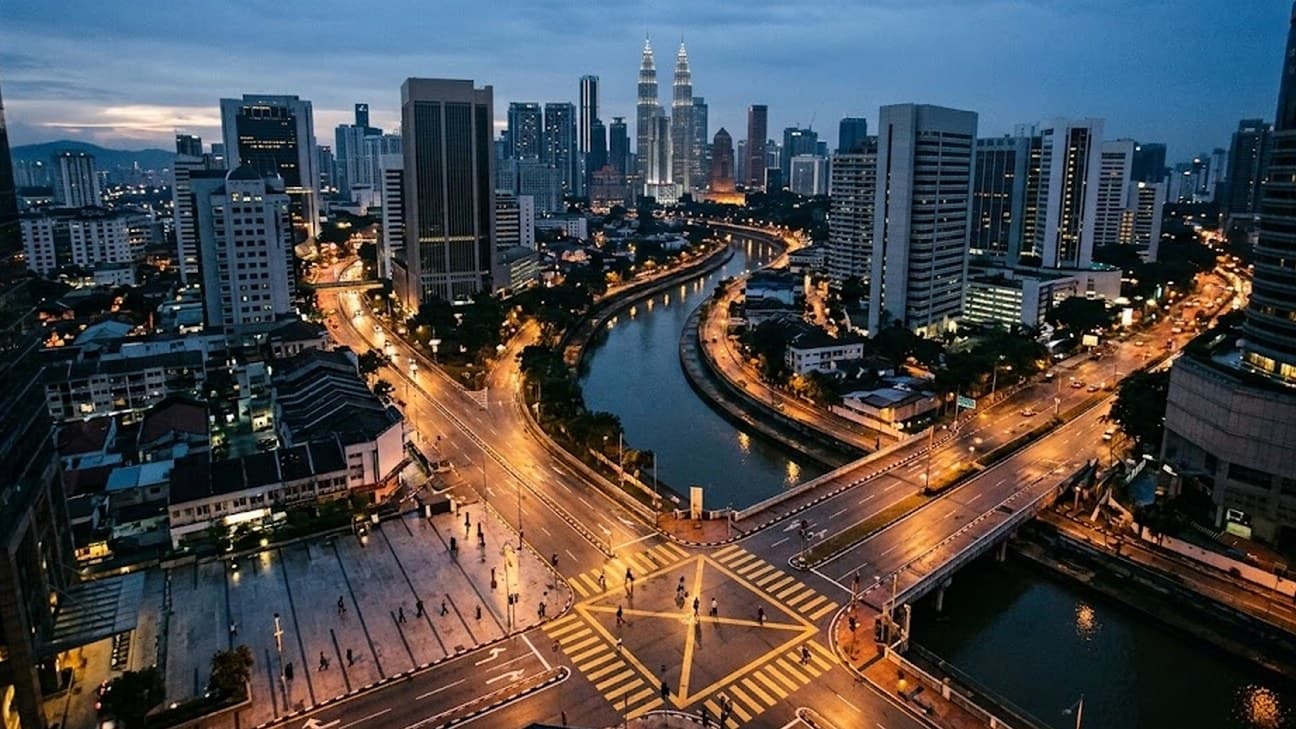
SEA Daily Brief: Malaysia's Budget 2027 Backs Startups and Crowdfunding, the SC Reports 2025 Restitution Figures, and UOB Explores a Dedicated AWS Cloud for ASEAN
Malaysia's Budget 2027, tabled on 9 October, earmarks RM450 million for startups through Jelawang Capital and Dana Perintis and RM270 million to draw private capital into equity crowdfunding and P2P platforms, with no distribution mechanism disclosed. The Securities Commission told Parliament it returned RM1.98 million to 239 investors in 2025 and has set aside RM8.6 million for 933 more. UOB signed an MoU with AWS to explore a dedicated Singapore cloud environment for its five ASEAN markets, with no financial terms or timeline given.
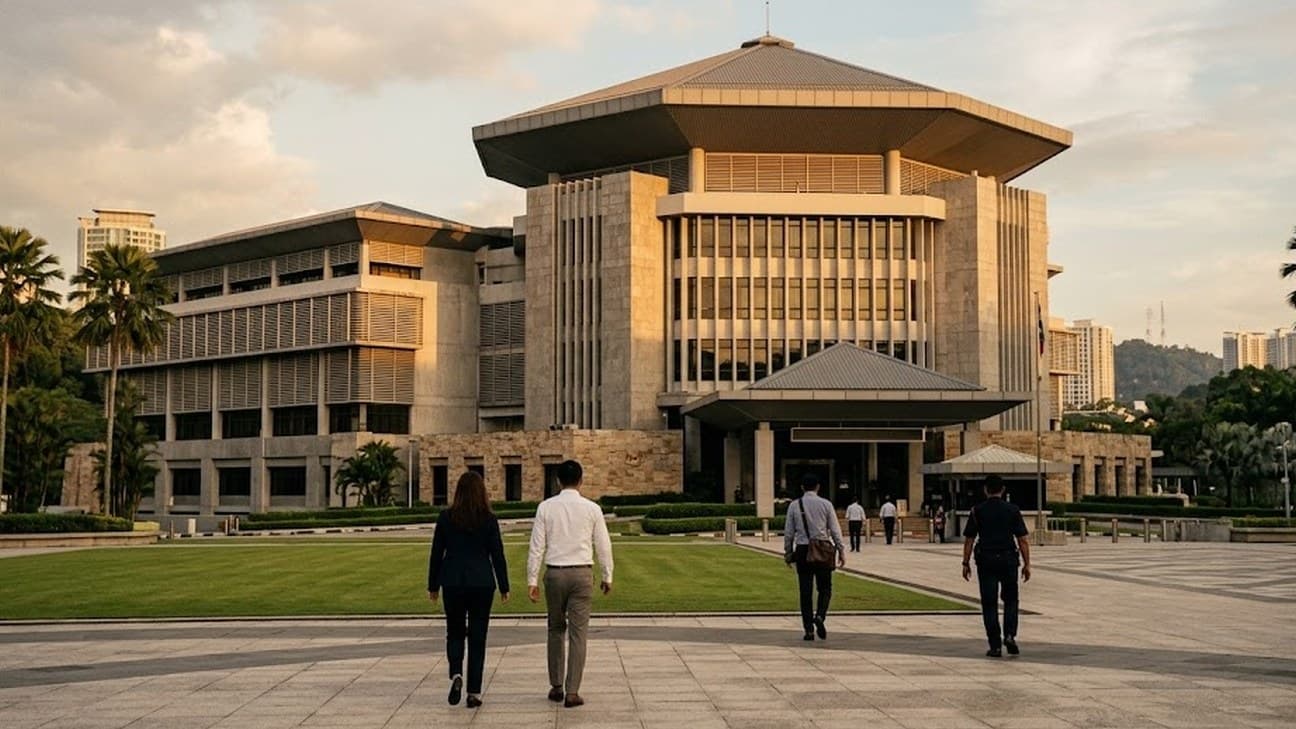
SEA Daily Brief: Malaysia's Budget 2027 Proposes Tokenised Retail Sukuk, Singapore Licenses Large Data Centres, and the NSRC Plans an AI Scam-Check App
Prime Minister Anwar Ibrahim proposed a blockchain-based retail savings sukuk in Budget 2027, tabled on 9 October, with no launch date, minimum investment or return disclosed. Singapore's Parliament passed the Digital Infrastructure Bill on 7 October, creating licensing regimes for data centres of 10MW or more and large cloud providers. Malaysia's National Scam Response Centre also plans an AI application to check suspicious numbers, accounts and links, with no funding or launch date stated.
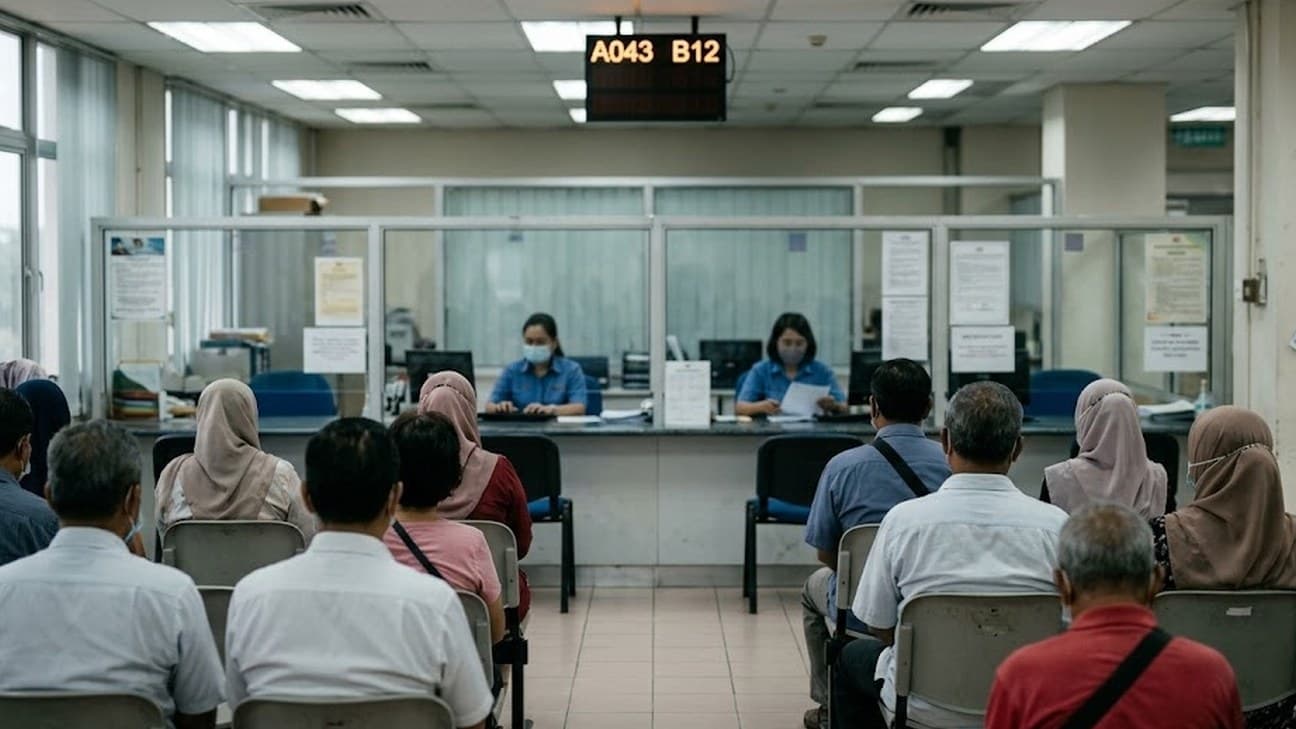
SEA Signal: Malaysia Suspends Zetrix AI and MyEG Over RM314 Million, GCash Prices the Philippines' Biggest IPO, and AMRO Prices the AI Downside
Malaysia's Road Transport Department suspended MyEG and Zetrix AI as government collection agents over RM314 million in unremitted revenue, a counterparty-risk test for a listed blockchain-and-AI group. GCash owner Mynt priced a roughly PHP 53 billion IPO as Philippine equity issuance has dried up, and AMRO modelled a 1.5 percentage-point hit to 2027 ASEAN+3 growth from an AI slowdown. SoftBank, Grab and PETROS also signed a framework to explore AI infrastructure in Sarawak, with no money attached yet.
SEA Daily Brief: Standard Chartered Plans Digital Asset Custody in Singapore, U Mobile Brings SIM-Based Verification to Malaysia, and Revolut Commits Nearly S$350 Million to Singapore
Standard Chartered said it plans to offer custody for selected cryptoassets, stablecoins and tokenised real-world assets to institutional clients in Singapore, subject to regulatory requirements. U Mobile launched SIM-based phone-number verification on its ULTRA5G network with Telenor Linx, reducing reliance on SMS one-time passwords. Revolut plans to invest nearly S$350 million in Singapore over five years, though it holds a Major Payment Institution licence rather than a banking licence.

SEA Daily Brief: Bank Negara and HKMA Open a Cross-Border Stablecoin Workstream, MAS Finalises AI Risk Guidelines, and OCBC and Ant International Extend Tokenised Deposits to Malaysia
Bank Negara Malaysia and the Hong Kong Monetary Authority agreed after an October 2 meeting to set up a policy-focused workstream on compliant cross-border stablecoin use cases, alongside work on RTGS and securities-depository links. The Monetary Authority of Singapore issued final Guidelines on AI Risk Management for financial institutions, effective October 7, 2027. OCBC and Ant International launched a tokenised deposit solution for corporate treasury that moves Singapore dollar and US dollar liquidity between Singapore and Malaysia.
SEA Daily Brief: Bank Negara Plans an Industry-Wide Fraud Alert Pilot, DayOne Files for a Nasdaq Listing, and Sygnum Brings a Tokenized Fidelity Cash Fund to Singapore
Bank Negara Malaysia's Governor said banks and PayNet will pilot industry-wide pre-payment fraud alerts in the first half of 2027, aimed at scams where victims authorise the transfer themselves. Singapore-based DayOne Data Centers filed for a Nasdaq listing, disclosing H1 2026 revenue of $512 million and a net loss of $77.2 million. Sygnum launched Fidelity International's tokenized US dollar liquidity product for accredited and institutional investors in Singapore.
SEA Daily Brief: Visa Finds APAC Stablecoin Interest Outruns Understanding, Singapore's Digital Economy Hits 19.3% of GDP, and MBSB Flags Malaysia's Chip Talent Gap
A Visa survey of 14,250 consumers across 14 Asia-Pacific markets finds 46% expect to use stablecoins within five years, yet only 6% accurately grasp how they work. Singapore's digital economy reached S$144.1 billion, or 19.3% of GDP, with SME AI adoption at 23.4%. MBSB Research keeps a neutral view on Malaysia's tech sector, citing a shortfall of skilled engineers against AI-driven semiconductor demand.

SEA Daily Brief: Malaysia's BNPL Debt Is Small but B40-Heavy, Chainalysis Puts Singapore at $284 Billion, and Gkash Plugs Directly Into PayNet
Buy-now-pay-later is 0.3% of Malaysia's household debt but is concentrated among B40 users, just as the licensing transition under the Consumer Credit Act 2025 runs through the year. Chainalysis estimates Singapore's crypto activity rose 55.4% to US$284 billion in the year to June 2026 while the wider region contracted 6.8%. Malaysian payment provider Gkash is now a direct participant in PayNet, cutting intermediaries from DuitNow QR, MyDebit and FPX processing.
SEA Daily Brief: Malaysia–Hong Kong Dual-IPO Channel Goes Live, GXBank Maps Its Path to Profit, and Webull Moves Into TNG eWallet
The Securities Commission Malaysia and Hong Kong's SFC have operationalised a single-submission arrangement for simultaneous IPO listings on Bursa Malaysia and the Hong Kong exchange. GXBank reports a H1 2026 net loss of RM122.1 million and targets full-year profitability in 2028, with Bank Negara Malaysia assessing its exit from the foundational phase. TNG eWallet users can now open a Webull Malaysia trading account inside the app, with GOfinance reporting 8.5 million users.
SEA Daily Brief: BNM Fines Three Money Changers, Kenanga's 'Second Inning' for AI, and ISEAS Maps ASEAN's Split Over AI's Climate Cost
Bank Negara Malaysia fines three money changers RM40,400 in total for customer due diligence and sanctions-screening failures. Kenanga Research argues the AI cycle has moved from GPU-led infrastructure to inference and applications, with power availability a gating constraint. An ISEAS survey of 3,706 ASEAN respondents finds 47.9% view AI's environmental impact positively and 30.2% negatively.
SEA Daily Brief: SGX Tightens Disclosure Rules, Anwar's AI Governance Warning in Hangzhou, and Vietnam-Austria Crypto Ties
SGX RegCo finalizes new listing rules forcing enhanced disclosure on executive pay, dividend policy and investor relations, effective January 2027. Malaysia's PM Anwar Ibrahim tells a Hangzhou trade expo that AI must be governed or it will govern us, warning ungoverned adoption could widen the gap between wealthy and developing economies. Vietnam and Austria's financial regulators open a technical dialogue on crypto-asset supervision ahead of Vietnam's first service-provider licenses.
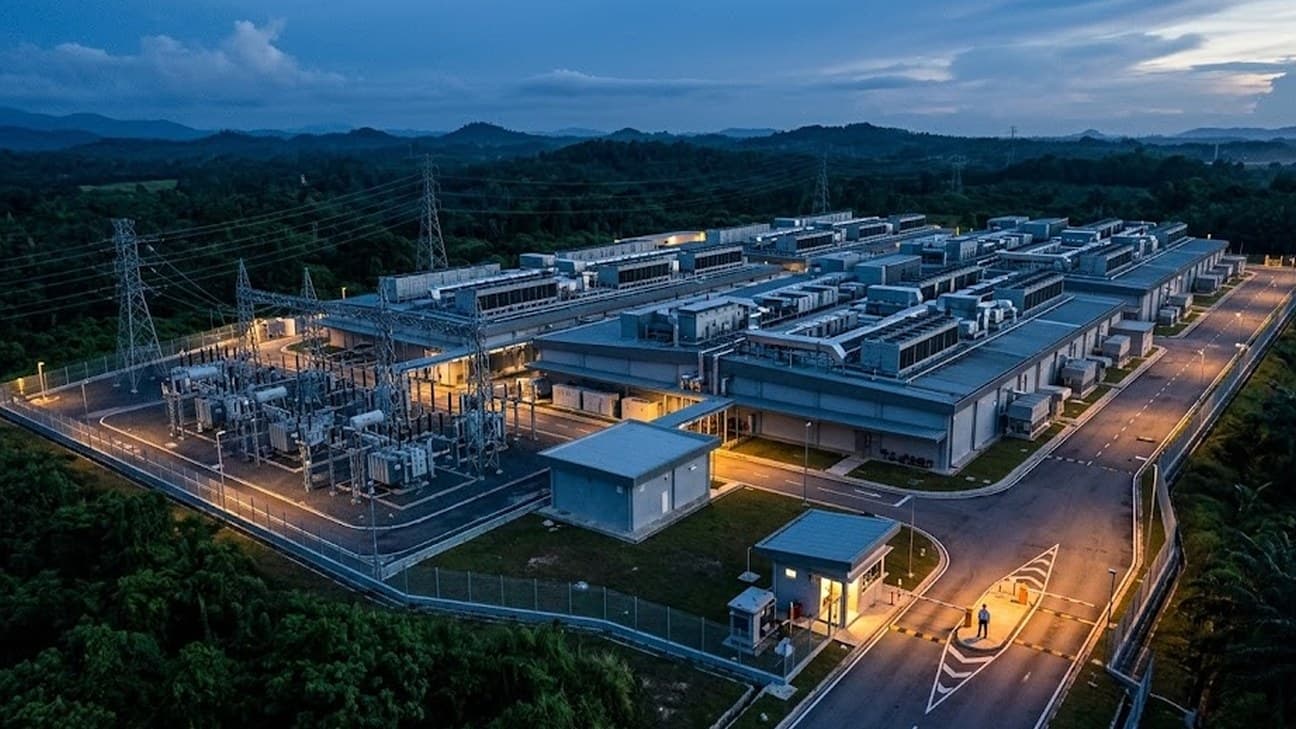
SEA Daily Brief: Aolani's 22,000-GPU NVIDIA Bet, PIDM's AI Resolution Toolkit, and Vietnam's Finance-Sector AI Overhaul
Singapore-founded Aolani commits to 22,000 NVIDIA Blackwell Ultra GPUs across new Malaysia and Philippines AI factories, pushing its regional capacity past 100 megawatts. Malaysia's deposit insurer PIDM rolls out an AI-enabled resolvability tool and a PayNet payment-continuity pact as part of its 2026-2028 crisis-readiness plan. Vietnam's Ministry of Finance lays out a sector-wide AI platform spanning 563 digital public services, consolidated from 150 identified use cases down to 11 live applications.
SEA Daily Brief: ADB Raises Its 2026 Southeast Asia Growth Forecast on the AI Investment Cycle, Regional Startup Funding Hits $7.25 Billion, and Malaysia Explores a Ringgit-Pegged Stablecoin
The Asian Development Bank lifted its 2026 growth forecast for developing Southeast Asia to 4.7%, crediting a global AI investment cycle that pulled Vietnam, Malaysia and Thailand's outlooks up while the Philippines was cut. Separately, a Kickstart Ventures report found regional startup funding more than quadrupled to $7.25 billion in the first half of 2026 — though a single AI data-centre financing round accounted for 62% of it. And at Kuala Lumpur's LIDAC conference, three Securities Commission-licensed Malaysian institutions disclosed early-stage plans for UMYR, a ringgit-pegged stablecoin designed to settle tokenised fund transactions on-chain.

SEA Signal: Singapore Joins a Global AI Oversight Call as Malaysia Courts Chinese Robotics Capital in Hangzhou
Singapore became the only Southeast Asian signatory to a 21-country declaration calling for international oversight of frontier AI — a declaration that notably excludes the United States and China. Malaysia's Anwar Ibrahim, on a three-day trip through Shanghai and Hangzhou, secured a potential RM1 billion robotics pledge from China's AgiBot and a RM170 million digital-transformation commitment from ZTE, positioning Malaysia as a landing zone for Chinese AI capital even as those commitments remain unsigned. And in Indonesia, e-wallet DANA picked up a new institutional backer betting on Tier 2-4 reach rather than Jakarta's saturated core.
SEA Daily Brief: Sea Ltd Adopts NVIDIA's Vera Rubin First in ASEAN, Grab and OpenAI Train 30,000 Gig Workers, and Malaysia's Powerwell Lands a Record Data-Centre Order
Sea Limited became the first ASEAN enterprise to adopt NVIDIA's new Vera Rubin computing platform at AI Day Singapore, while Vietnam's Viettel AI and FPT Smart Cloud deepened their own Nemotron model localization work at the same event. Grab and OpenAI launched a two-year program to train 30,000 driver, delivery and merchant partners on practical AI skills across Southeast Asia. And Malaysian contractor Powerwell booked a record RM190.4 million order to supply switchgear for a Johor data centre, a direct read on how the region's AI infrastructure boom is flowing into local suppliers.
SEA Daily Brief: MAS Says AI Risk Now Outranks Geopolitics, Thailand Closes Comment on Its First Crypto ETFs, and Boost Taps Tencent Cloud
The Monetary Authority of Singapore's latest Financial Stability Review found chief risk officers now rank AI-driven cyber and operational risk above geopolitical tension for the first time, with AI-investment overexposure emerging as a new systemic risk category. Thailand's SEC closed its public comment period on draft rules for the country's first onshore spot Bitcoin and Ether ETFs, restricted to Thai custodians and an 80% exposure floor. And Malaysian digital bank Boost signed an MOU with Tencent Cloud spanning cloud infrastructure, AI development and super-app technology across Malaysia and Indonesia.

SEA Daily Brief: Vietnam's Crypto Licensing Track, Bain/DBS's AI-Divergence Warning, and a Malaysia-Korea Stablecoin MOU
Vietnam's Deputy Finance Minister confirmed the country's first licensed crypto asset service providers should begin operating in 2026, with five of seven applicants already through initial screening under a five-year pilot. A joint Bain, DBS and Vriens & Partners outlook warned that AI is set to widen — not narrow — the growth gap between Southeast Asia's economies, with Singapore drawing over 60% of regional FDI. And Korea's Aracore signed an MOU with Malaysia's Teiza to explore an institutional stablecoin settlement corridor between the two countries.
SEA Daily Brief: Affin Bank's $400M IFC MSME Line, BSP's AI Skepticism, and a $4.9M Singapore Crypto Heist Sentencing
IFC committed a $400 million long-term financing package to Malaysia's Affin Bank to expand MSME lending, targeting Sabah and Sarawak and women-owned businesses — the second such Malaysian bank-IFC tie-up in four days. The Philippine central bank said the country's capital markets remain unready for AI-driven trading or advising, citing investor hesitance and AI-sovereignty risk. And a Singapore court sentenced six Malaysian men to up to nearly 13 years plus caning for a S$4.9 million armed robbery of a high-stakes poker game that targeted cryptocurrency holdings, with most of the haul still unrecovered.
SEA Daily Brief: Fitch's Thailand Upgrade, Moody's AI Growth Cushion, and Malaysia's Digital-Currency-Bullish Treasurers
Fitch Ratings revised Thailand's sovereign outlook from Negative to Stable, affirming the BBB+ rating on debt stabilization and political continuity under the Anutin coalition. Moody's separately flagged an AI-driven export and data-centre investment boom as the region's main cushion against tariff and energy shocks, projecting ASEAN growth easing only modestly to 4.8% in 2026. And an HSBC treasury survey found Malaysian finance professionals are the most bullish adopters of digital currencies in Asia-Pacific, even as most admit their own treasury functions are lagging the technology.

SEA Daily Brief: Partior-LSEG's 24/7 Bank Liquidity Layer, dtcpay's SBI-Backed Raise, and TrueMoney's Embedded Wallet Push
Partior and LSEG's Digital Settlement House unveiled a multi-bank liquidity framework — with J.P. Morgan, Deutsche Bank and Standard Chartered already testing it — designed to give cross-border payments always-on settlement liquidity without pre-funded nostro accounts. Singapore's dtcpay extended its Series A to $25 million with Japan's SBI Group joining as a strategic investor, betting on a stablecoin-payments corridor between Japan and Southeast Asia. In Thailand, TrueMoney embedded Fireblocks-powered wallets directly into its app for phase two of its programmable baht pilot, opening the door to 20,000 retail participants.

SEA Daily Brief: Databricks' $350 Million Singapore Bet, Circle's Arc Mainnet Launch, and GXBank's IFC-Backed MSME Push
Databricks committed more than $350 million to quadrupling its Singapore headquarters and doubling its regional headcount, betting that enterprise AI in Southeast Asia has moved from pilots to production. Circle brought its long-planned Arc blockchain to mainnet with USDC as the native gas asset and validators including BlackRock, Visa and Standard Chartered, extending the settlement infrastructure behind its recent Tazapay acquisition. In Malaysia, GXBank became the first digital bank in the region to secure an IFC first-loss guarantee, unlocking up to $110 million in MSME lending capacity.
SEA Signal: Thailand's $151,000 Cap on Stablecoin Transfers, Fitch's Gulf-Capital Signal on Malaysian Crypto, and a $370 Million Vote for ASEAN Growth Equity
Thailand's SEC opened a public consultation on a 5-million-baht daily cap on stablecoin transfers aimed at curbing USDT-driven money laundering, a move that could compress retail transfer volume on regulated exchanges even as it tightens their compliance profile. Fitch Ratings placed Malaysia among the more open jurisdictions globally for Sharia-compliant crypto, in a report that also benchmarks the UAE, Bahrain, Qatar and Saudi Arabia — showing regulatory clarity, not market size alone, is what is actually routing Gulf and Islamic capital. And Ikhlas Capital closed a $370 million second fund with Temasek, EPF and KWAP as anchor LPs, a concrete signal of continued institutional conviction in pan-ASEAN growth equity even as regional venture funding stays thin.

SEA Daily Brief: Grab's $1.49 Billion Bid for Atome, Fitch Calls Malaysia an Open Islamic-Crypto Market, and Thailand's Bank-Wide Fraud Pact
Grab agreed to acquire a controlling 60% stake in SoftBank-backed BNPL platform Atome Financial for $1.49 billion, with an option structure that could push the total deal past $4.5 billion, consolidating buy-now-pay-later lending across five Southeast Asian markets under Grab's financial-services arm. Fitch Ratings singled out Malaysia as one of the more open Islamic-finance jurisdictions for regulated crypto, citing a 23% jump in exchange trading value to over $4 billion in 2025. In Thailand, the central bank brought eleven financial-sector associations into a sector-wide framework against illicit finance, launched September 10.
SEA Daily Brief: Malaysia and Japan Sign a $6 Billion Swap Deal, Bitdeer Adds 65.1MW to Its Johor AI Campus, and Manila Explores India's UPI Rails
Bank Negara Malaysia and the Bank of Japan signed a third bilateral swap arrangement worth up to $6 billion alongside a separate memorandum to promote local-currency trade settlement, deepening Malaysia-Japan financial ties outside the dollar system. In Johor, Bitdeer AI secured a 65.1MW facility on its existing campus, pushing its estimated AI Cloud pipeline above $7 billion. In New Delhi, President Marcos advanced talks with India's NPCI International and LandBank to explore a UPI-based payment system for the Philippines.
SEA Daily Brief: Treasury Sanctions a $24 Billion Golden Triangle Scam Marketplace, Malaysia's Data-Centre Task Force Passes 40 Applications, and Finmo Tops $1 Billion a Month
The US Treasury sanctioned Xinbi Guarantee, a Chinese-language marketplace processing over $24 billion since 2022 that anchored Southeast Asia's scam-compound economy, alongside a Cambodia-based wallet developer and a Singapore-based messaging-app developer. In Malaysia, the government's Data Centre Task Force disclosed it has fielded more than 40 applications to build or expand facilities in 2026 as approved data-centre and cloud investment hit RM95.8 billion in the first half of the year. Separately, Singapore treasury-management platform Finmo said it now moves over $1 billion a month for clients and opened a larger Singapore headquarters to build out an AI liquidity agent.
SEA Daily Brief: Malaysia Weighs Huawei Chips for Its Sovereign AI Cloud as OpenAI Anchors Two New Nvidia-Powered Factories There, and MAS Sets Singapore's AI Timeline
Malaysia is evaluating Huawei's Ascend 910C chips for a RM2 billion sovereign AI cloud despite explicit US warnings, even as OpenAI signed on as anchor customer for two new Firmus AI factories in the country running Nvidia's next-generation Vera Rubin chips. Separately, MAS managing director Chia Der Jiun told Global FinTech Fest 2026 that AI is outpacing tokenization and quantum computing in Singapore's financial sector, detailing a cross-bank AI fraud-detection pilot due by year-end.

SEA Daily Brief: Anthropic Traces an AI-Driven Malaysia Election Influence Operation, Singapore's Anti-Scam Bill Proposes Caning, and Three Banks Clear a Domestic Tokenised-Deposit First
Anthropic disrupted a Turkish firm's AI-powered influence operation that used Claude to micro-target Malaysian voters ahead of this year's state elections, and Malaysia's government is now facing calls for an investigation. Singapore's Parliament debated a bill that would let courts cane individuals who knowingly facilitate scams, alongside fines of up to S$10 million for platforms. And DBS, OCBC and UOB completed Singapore's first live domestic interbank payments using bank-issued tokenised deposits.
SEA Daily Brief: Mastercard, Visa and Ant Wire Up AI-Agent Payments, Singapore Arms MAS With Loss-Absorbing Powers, and Malaysia Pencils In a 300MW Green AI Data Centre
Mastercard, Visa and Ant International are working through MAS's BuildFin.ai platform toward an interoperable Know-Your-Agent framework meant to let payment networks identify and vet autonomous AI agents transacting on a customer's behalf. Singapore's Parliament took first reading of a bill letting MAS impose total loss-absorbing capacity requirements on systemically important financial institutions, formalising a bail-in regime consulted on earlier this year. And Malaysia-listed Key ASIC signed a memorandum of understanding with Hong Kong's CT Vision to plan a 300MW green AI data centre, a joint chip-technology-and-renewable-energy bet that remains non-binding pending definitive agreements.

SEA Signal: Nvidia's Southeast Asia Chip Loophole Draws Washington's Eye, $1.29 Trillion Bets on the Region's Data Centres, and a Weekend Cross-Border Payment That Actually Cleared
A New York Times investigation traced $5.6 billion in advanced computing hardware moving through Southeast Asian data centres into Chinese hands, putting the region's role as a chip-access backdoor squarely on the agenda of this month's US-China AI summit. Separately, PwC forecasts $1.29 trillion in cumulative data-centre investment across six Southeast Asian markets through 2050, with Malaysia increasingly functioning as Singapore's overflow campus. And DBS and Citi settled a real cross-border USD payment over a weekend using tokenised deposits, a small transaction with large implications for how banking hours work.
SEA Daily Brief: Gemini's Singapore Payment Licence, Webull's $100 Million Thai Brokerage Buy, and Vietnam's New App-Financing Playbook
Gemini Digital Payments Singapore secured a Major Payment Institution licence from MAS, closing out a two-year licensing path and adding cross-border transfer capability to its existing trading and custody business. Webull completed its roughly $100 million acquisition of Thailand's Pi Securities, targeting THB 200 billion in combined assets under management. And Singapore-based lender PvX Partners deployed $22 million in non-dilutive, revenue-based financing to two Vietnam-rooted app exporters within five days, a financing instrument built for a sector traditional VC and bank lending underserve.
SEA Daily Brief: Circle's $400 Million Tazapay Deal, the Philippines' $34.4 Billion AI Roadmap, and Malaysia's Rate Hold Amid an Oil Shock
Circle agreed to buy Singapore's Tazapay for $400 million, extending USDC's reach into a firm that already settles 60% of its $25 billion in annualized volume in stablecoins. The Philippines unveiled a $34.4 billion, seven-year plan to grow its AI data-centre capacity thirtyfold by 2033, betting on compute over its traditional BPO base. And in Malaysia, Bank Negara held its policy rate steady even as a Middle East-driven spike in oil prices past $100 a barrel put fresh pressure on the region's inflation outlook.
SEA Daily Brief: Malaysia's Record Bond Inflows on the AI Trade, a Singapore-Backed Chip-Packaging Raise, and RM5.16m Returned to Scam Victims
Foreign investors poured a record $3.9 billion into Malaysian bonds in August on optimism tied to the country's data-centre boom, the biggest monthly inflow in Bank Negara Malaysia data since 2016. Singapore's Tin Men Capital led a $2 million seed round into Malaysian deep-tech startup nanoSkunkWorkX, which is tackling a real thermal bottleneck in advanced AI chip packaging. And Malaysia's National Scam Response Centre returned RM5.16 million to fraud victims out of RM7.94 million seized in the first seven months of 2026, against a backdrop of cybercrime losses that nearly doubled last year.
SEA Daily Brief: BSP Freezes New Payment Licenses and Groups Crypto With Casinos, Malaysia's Record Investor-Fair Turnout, and Thailand's $15.9B Data-Centre Forecast
The Bangko Sentral ng Pilipinas circulated a draft rule suspending new payment-operator registrations for a year and classifying licensed crypto exchanges as high-risk merchants alongside casinos. Malaysia's Securities Commission and Bursa Malaysia reported over 342,000 new CDS accounts opened in H1 2026, a 24% jump, at their first joint investor-education fair. And Cushman & Wakefield forecasts Thailand will draw $15.9 billion in data-centre investment through 2030, citing a supply deficit relative to population as the core investor thesis.
SEA Daily Brief: Malaysia's AI Power Bottleneck, Thailand's Retail Crypto Derivatives Plan, and Ripple's APAC Custody Push
BIMB Securities warns that electricity, water, and connectivity — not land — are now the binding constraints on Malaysia's data-centre boom, with the sector on track to consume 31% of Peninsular Malaysia's power by 2035. Thailand's SEC opened a consultation on letting retail investors access select overseas crypto derivatives through licensed intermediaries. And Ripple partnered with SettleMint to offer regulated Asia-Pacific institutions combined digital-asset custody and tokenization infrastructure.
SEA Daily Brief: A $680 Million Crypto Funding Rebound, Visa's Malaysia AI-Fraud Roadmap, and Thailand's New Stablecoin Rules
Southeast Asia's blockchain sector raised $680 million in equity funding in 2026, more than double 2025's total, even as deal count fell by nearly half and a single $400 million round into Crypto.com accounted for almost 60% of the money. Visa launched the third edition of its Malaysia security roadmap, pushing banks and merchants toward biometrics and real-time AI fraud detection after scam losses hit a three-year high in 2025. And Thailand's SEC approved a new stablecoin compliance framework for digital asset businesses — a separate move from the wallet Travel Rule it finalized just a day earlier.
SEA Daily Brief: Thailand's Data-Centre Freeze, a Nationwide AI Passport, and a $12.7 Billion Scam Bill
Thailand asked 49 data centres under construction to pause work and froze approvals for 117 more pending projects, days after Bangkok's own crackdown on unpermitted diesel storage. Thailand's TH-AI Passport program drew 1.3 million sign-ups ahead of its August 31 AiPASS launch, offering free access to 30-plus AI models under a usage-based subsidy model. And the US Treasury's FinCEN tied $12.7 billion in suspicious activity to crypto scam compounds concentrated in Cambodia, Laos and Myanmar.

SEA Signal: Thailand Locks In a Crypto Travel Rule, BitGo Plants Its APAC Flag in Singapore, and the Philippines Wires QR Ph to the World
Thailand's SEC finalized a Travel Rule that forces digital-asset operators to identify counterparties on every transfer, including self-custodial wallets, from February 2027. BitGo opened a Singapore office after tripling its APAC client base, a vote of confidence in the city-state's licensing regime from a major institutional custodian. And the Philippines connected its QR Ph network to Alipay+, giving 2.5 million local merchants a route into cross-border commerce without touching their existing infrastructure.
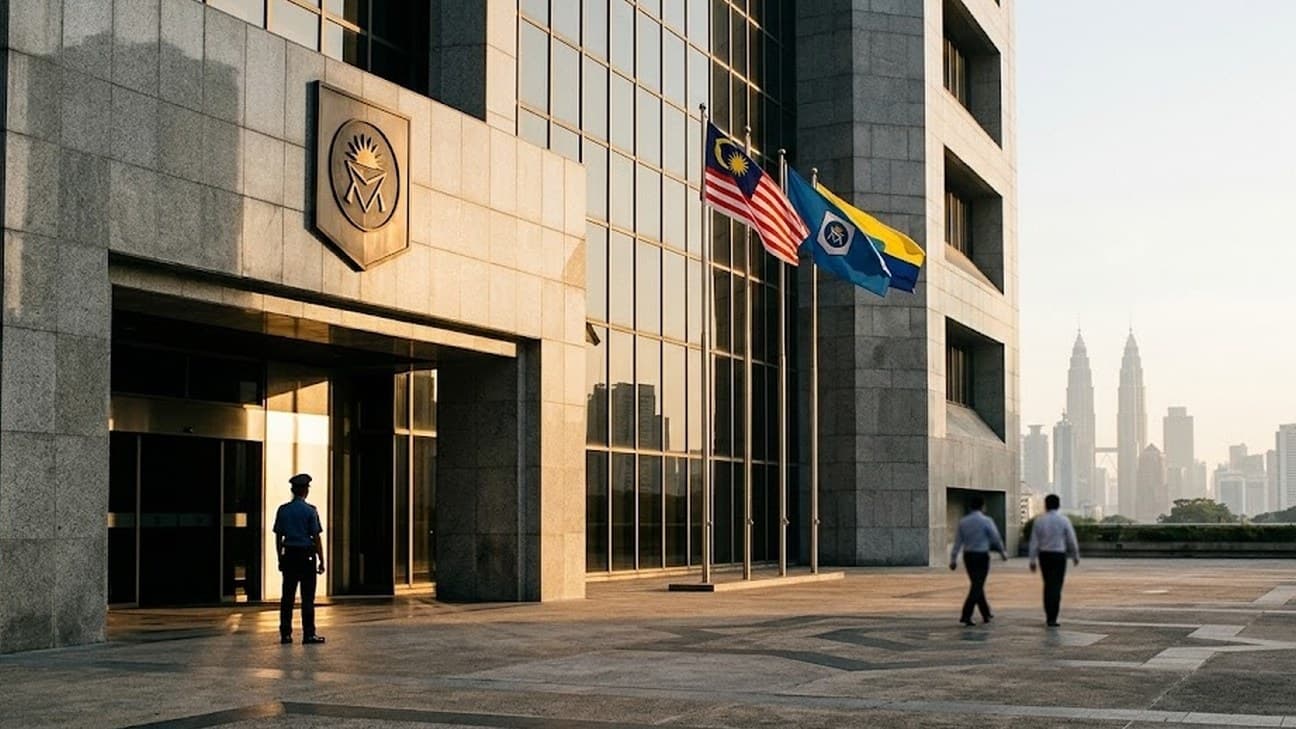
SEA Daily Brief: BNM's Sanctions-Screening Fines, Qualcomm's Vietnam AI Bet, and CIMB's Biometric Mandate
Bank Negara Malaysia fined Petronas' Setel and two Standard Chartered units a combined RM901,500 over sanctions-screening lapses. Qualcomm's CEO told Vietnam's top leader he wants the country to become the chipmaker's third-largest AI R&D hub globally. And CIMB will require biometric or passcode approval for all online banking transactions from September 19, ending password-only authorization.
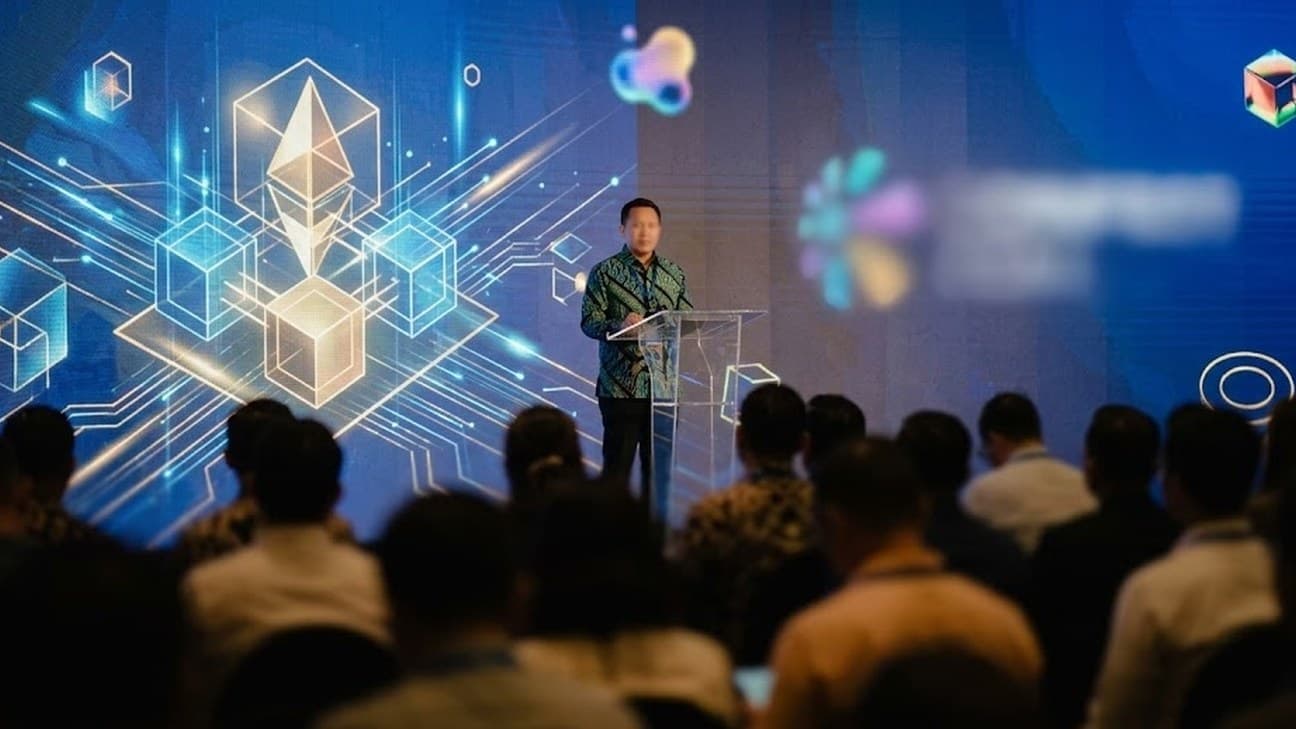
SEA Daily Brief: Indonesia's OJK Maps a Crypto Roadmap, Singapore's Scam Data, and Alibaba's Malaysia AI Push
Indonesia's OJK laid out a 2026-2031 roadmap covering stablecoin regulation, real-world asset tokenization, and a single investor ID for crypto. Singapore's H1 2026 scam losses fell 17.9% to S$410.6 million, with crypto-linked losses down 43% but still 16% of the total. And Alibaba Cloud joined Malaysia's AI Untuk Rakyat programme, offering two free AI tools to 100,000 young Malaysians.
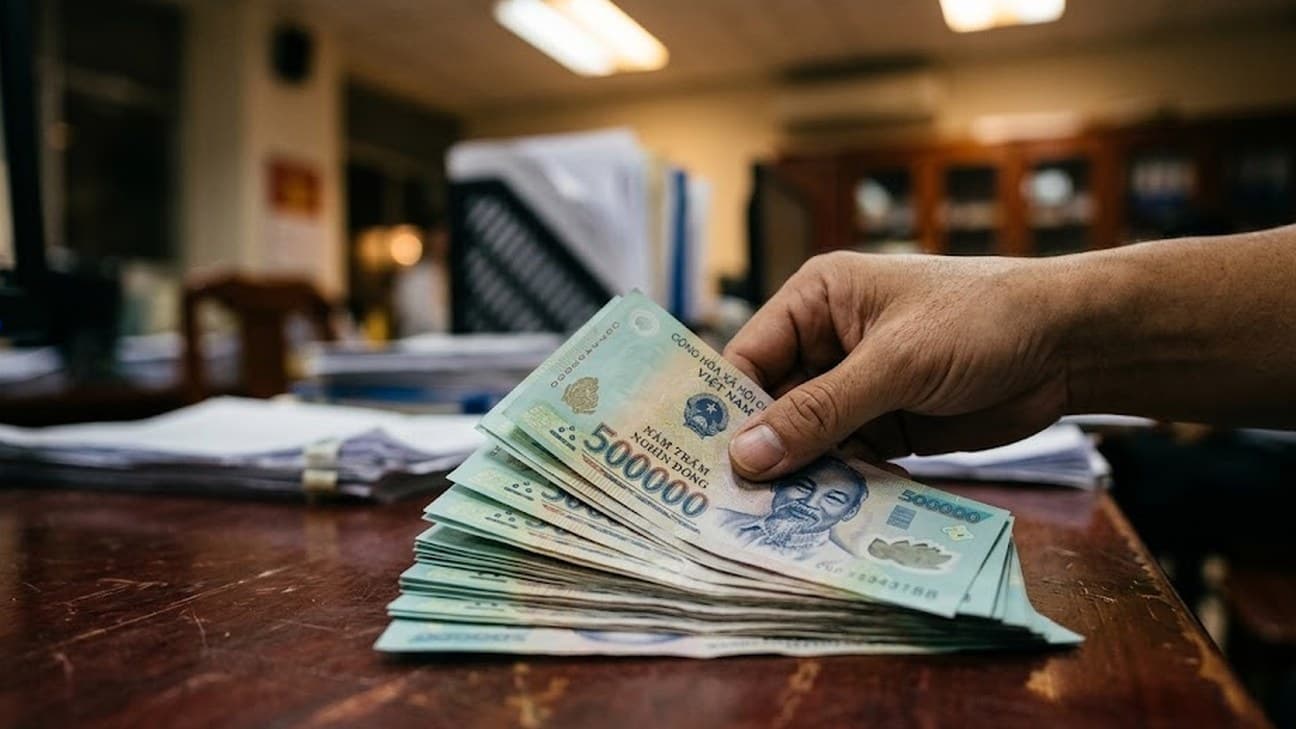
Vietnam's Crypto Penalty Regime Takes Effect With No Licensed Exchange Yet, Singapore Proposes 100% Stablecoin Reserves, and Malaysia Adds RM1 Billion to SME Microfinancing
Vietnam's Decree 284/2026 entered into force today, fining domestic investors up to VND 50 million for trading on unlicensed platforms — before the Ministry of Finance has approved a single licensed exchange. The Monetary Authority of Singapore opened consultation on a dedicated stablecoin-issuer framework that would ban interest payments and mandate 100% reserves. In Malaysia, the government added RM1 billion to 2026 microfinancing allocations and lifted the e-invoicing exemption threshold to RM3 million in annual sales.
MAS Commits S$220 Million to FSTI 4.0, IFC Backs Axiata's Boost at $340 Million, and Malaysia Launches Free AI Access on Merdeka Day
The Monetary Authority of Singapore unveiled a S$220 million, three-year fintech funding scheme targeting AI, distributed ledger and quantum technology — a 46.7% jump from its predecessor. In Malaysia, the IFC took a $20 million preference-share stake in Axiata's Boost Holdings at a $340 million valuation, and the government's AI Untuk Rakyat initiative went live on Merdeka Day, offering free AI-tool access to young Malaysians who complete digital-skills training.
Five Firms Clear Vietnam's Crypto-Exchange Review, CP Group and AWS Sign a Five-Year Thailand AI Pact, and Southeast Asia's Data-Centre Funding Hits $11.5 Billion
Vietnam's State Securities Commission disclosed that five firms have cleared the first assessment stage for the country's pilot crypto-exchange licenses, with a $383 million capital bar and penalties for unlicensed operators taking effect September 1. Separately, CP Group, True Corporation, Arise Ventures and AWS signed a five-year pact to push AI and cloud skills to three million Thais and rebuild True's cloud operating model. And Tracxn data shows Southeast Asia's data-centre operators have raised $11.5 billion in equity since inception, with 85% of it arriving since 2024 as AI demand reshapes the region's infrastructure build-out.
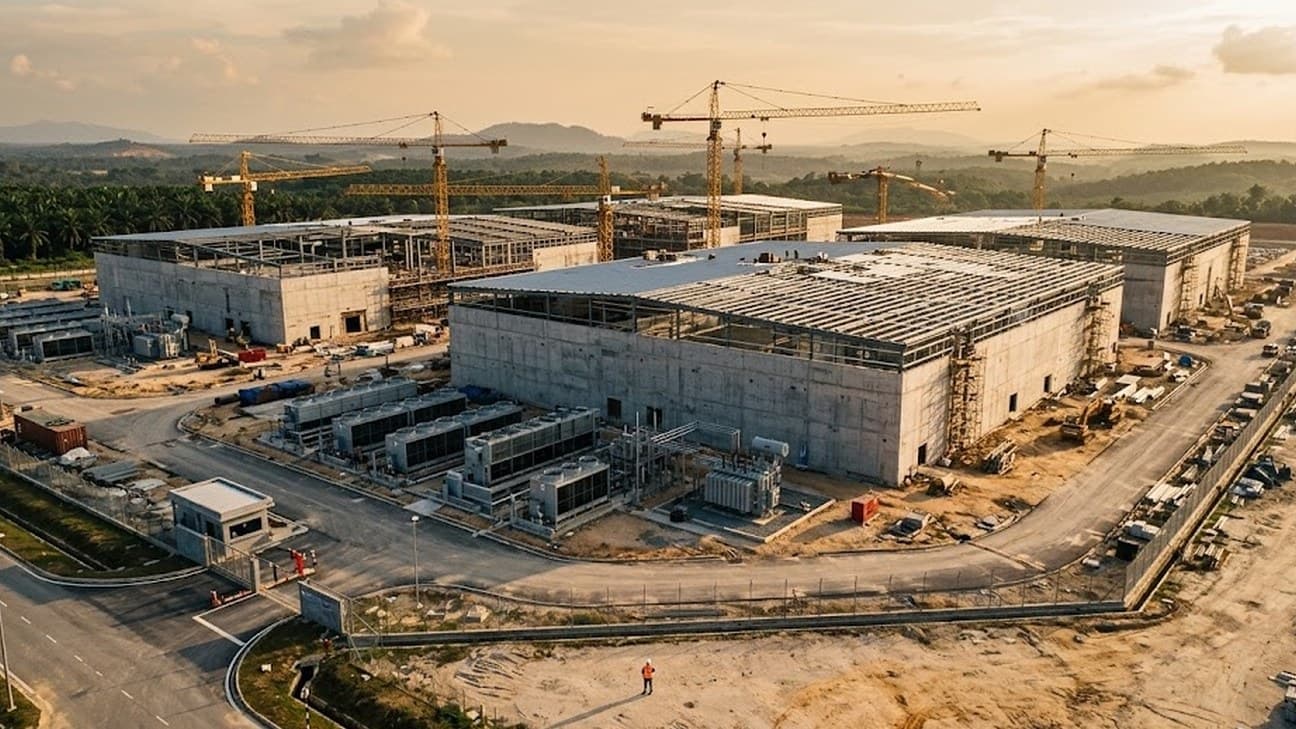
Fitch Says Singapore's Data-Centre Capacity Crunch Is Spilling Into Johor, Singapore Fintech Funding Hits a Decade Low, and OSK Ventures Launches a Venture Debt Fund
Fitch Ratings says Singapore's data-centre capacity award of 200MW falls well short of demand, pushing overflow growth toward Johor, where operational capacity has already reached 1,110MW with vacancy at just 0.7%. Separately, KPMG's Pulse of Fintech report found Singapore fintech investment fell to US$499 million in H1 2026 — the weakest half in nearly a decade — even as AI and machine learning led deal activity by count. And OSK Ventures International and Affin Hwang Investment Bank launched Pothos Fund I, a venture debt vehicle aimed at mature Southeast Asian startups seeking less-dilutive financing.

UOB Becomes the First Singapore Bank to Settle Live Tokenised Deposits With HSBC on Swift, Boost Bank and Parkson Credit Team Up on Underserved Malaysians, and StashAway Buys Its Way Into Digital Wills
UOB completed a live cross-border transaction with HSBC using tokenised deposits on Swift's blockchain-based shared ledger, becoming the first Singapore-headquartered bank to do so, with Singapore-dollar and US-dollar transactions planned for September. Boost Bank and Parkson Credit formed an alliance combining Boost's digital banking infrastructure with Parkson's consumer-financing base to reach underserved Malaysians with loans, insurance and CASA accounts. And Singapore robo-advisor StashAway acquired digital-wills platform MakeGoodwill, its first move into legacy and estate planning, against data showing only 22% of Singaporeans have a legally drafted will.
Thailand Opens the Door to Spot Bitcoin and Ether ETFs as Singapore Puts Visa on Regulated Stablecoin Rails — and Vietnam Pulls Crypto Into Its Money-Laundering Net
Thailand's SEC opened a public consultation on rules that would let spot Bitcoin and Ether ETFs list on the Stock Exchange of Thailand, the clearest sign yet that a major Southeast Asian market intends to package crypto for regulated funds. In Singapore, Visa became the first card network to join MAS's BLOOM stablecoin-settlement initiative, pairing with Nium to pilot round-the-clock cross-border settlement in regulated stablecoins. And Vietnam's National Assembly voted to fold crypto-asset service providers into its anti-money-laundering regime — the same week fresh reporting showed the region's AI-assisted scam economy migrating rather than shrinking.

CIMB Settles RM1.38 Billion in Tokenised Sukuk Under Bank Negara's Digital Asset Hub, DBS and Stripe Team Up on Agentic Commerce Across Asia, and Techsauce Opens in Bangkok With AI as the Headline Act
CIMB Islamic completed a pilot settlement of RM1.38 billion in tokenised sukuk using tokenised deposits inside Bank Negara Malaysia's Digital Asset Innovation Hub, part of a RM1.68 billion issuance under a RM10 billion sukuk programme and a first for Malaysia's capital markets. DBS and Stripe announced a strategic partnership to build joint agentic AI capabilities and expand cross-border payments across Asia, citing forecasts that AI agents could orchestrate up to $5 trillion of global consumer commerce by 2030. And Techsauce Global Summit 2026 opened in Bangkok with 350+ speakers across 10 stages, agentic AI as the dominant theme, and a virtual keynote from Kai-Fu Lee on redesigning organisations around AI.

GXBank and Touch 'n Go Embed a RM150,000 Credit Line Inside Malaysia's Biggest eWallet, Vietnam's Sacombank Rebuilds Its Core Banking on Temenos and IBM, and Stripe Marks 10 Years in Singapore With a Six-Wallet Checkout Expansion
GXBank and TNG Digital launched FlexiCredit, a revolving credit line worth up to RM150,000 embedded directly inside the Touch 'n Go eWallet app, extending Malaysia's push toward embedded finance without requiring users to open a separate bank account. Vietnam's Sacombank completed a core banking overhaul on the latest Temenos platform running on IBM Power and Red Hat OpenShift, migrating from on-premises infrastructure to hybrid cloud with a claimed 200% performance gain. And Stripe marked ten years operating in Singapore by adding six Southeast Asian payment methods to its checkout and launching an Adaptive Pricing tool it says lifts cross-border revenue by 17.8% on average.

Bursa Malaysia Expands the FBM KLCI to 50 Stocks in Its Biggest Overhaul Since 2009, Singapore, Hong Kong and Japan Split on Dollar-Stablecoin Strategy, and Malaysia Leads a $35 Billion Southeast Asia Data-Centre Buildout
Bursa Malaysia and FTSE Russell will expand the FBM KLCI from 30 to 50 constituents across two phases through mid-2027, the benchmark's first major overhaul since 2009, adding technology, energy and REIT names for the first time. A comparative look at Singapore, Hong Kong and Japan's stablecoin frameworks shows the three hubs converging on regulation but diverging on strategy — Singapore building cross-border settlement rails, Hong Kong's first licensees favouring local-currency coins over dollar ones, and Japan restricting issuance to licensed institutions. And a new Arizton forecast puts Southeast Asia's data-centre investment at $35.08 billion by 2031, with Malaysia leading the region's pipeline at more than 6 gigawatts of planned capacity.

Fasset Hits Unicorn Status on a $68M SBI-Led Round, DBS and IBF Build an AI-Training Playbook for Singapore's Whole Finance Sector, and AFFIN Opens a Consumer Bridge Into Indonesia
Stablecoin neobank Fasset closed a $68 million Series C led by Japan's SBI Group at a $1 billion valuation, its second raise this year, to expand stablecoin settlement infrastructure across Asia Pacific. DBS and Singapore's Institute of Banking and Finance signed the industry body's first MoU with a bank to build shared AI-training programmes after DBS upskilled 40,000 staff globally. And AFFIN Bank and Indonesia's BCA launched a reciprocal cardholder-perks partnership as a first step toward joint Malaysia-Indonesia banking products.
Vietnam's FTSE Emerging-Market Upgrade Puts $1.5 Billion in Play, Malaysia's Hata Wins the First MYR-BNB License, and the Philippines Crosses 211,000 ID-Free Accounts
FTSE Russell confirmed Vietnam's move from Frontier to Secondary Emerging Market status effective September 21, naming 27 stocks for its global indexes and putting an estimated $1.5 billion in eventual passive inflows in play. In Malaysia, SC-licensed exchange Hata became the first regulated platform in the country to offer direct BNB-ringgit trading, while in the Philippines, Landbank and OFBank passed 211,000 accounts opened without a physical ID under the country's new National ID verification system.

AFFIN Expands Into Brunei Banking, RCBC Cuts Fees on US Remittances, and Kuala Lumpur Gets an AI Cybersecurity Research Center
AFFIN Group and Baiduri Bank signed an MoU to build a broader Malaysia-Brunei banking corridor spanning commercial banking, trade finance and asset management, against RM5.8 billion in 2025 bilateral trade. In the Philippines, RCBC waived transfer fees on its US Virtual Account service for the roughly 500,000 Filipinos in the Los Angeles area alone, a diaspora whose remittances made up more than 7.3% of Philippine GDP last year. And in Kuala Lumpur, the Global Cybersecurity Alliance and a Malaysia-based engineering academy launched a joint AI Cybersecurity Research Center aimed at developing-world talent and research.
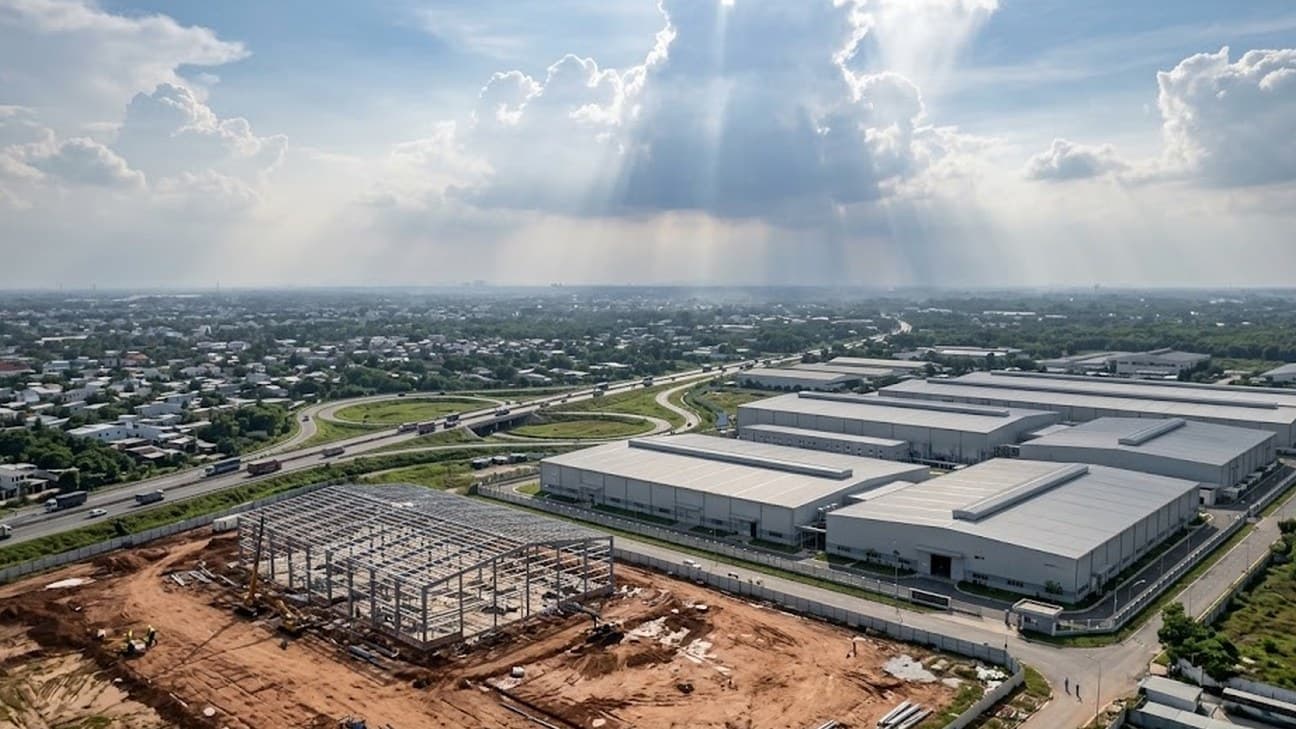
Vietnam Lands a $508 Million Data Centre From a Singapore Consortium, While Singapore Keeps Nearly All of the Region's AI Capital
Ho Chi Minh City granted a 50-year lease to a Singapore-backed consortium for a $508 million, 52MW hyperscale data centre, even as fresh Tracxn data shows Vietnam's own AI startups raised just $19 million this year against Singapore's $9.3 billion. Voice-AI infrastructure firm Deepgram added a data point to the same pattern, picking Singapore over its faster-growing Southeast Asian markets for its new APAC headquarters.

Maybank Runs Malaysia's First Live Tokenised Trade-Finance Deal as China's Payment Giants Wire Deeper Into ASEAN — and Singapore Funds Its First Hydrogen-Ready Data Centre
Maybank completed what it calls Malaysia's first tokenised supply-chain financing transaction, a RM1 million pilot settled on a platform built inside the Securities Commission's regulatory sandbox and pointed squarely at cash-constrained MSMEs. On the same day, both of China's dominant payment networks extended into Southeast Asia — Tencent's TenPay and ShopeePay letting the region's users scan-and-pay at WeChat Pay merchants in China, and Bank of China (Hong Kong) pairing with Ant International's Alipay+ on payments, treasury and SME rails. And DBS, OCBC and UOB arranged a S$530 million green loan for DayOne's first Singapore data centre, a hydrogen-ready build that routes around the island's power ceiling.

DBS Scales Agentic AI to 1,500 Corporate Bankers, Malaysia's Boost Launches Digital SME Banking, and Vietnam Stakes Its Banking Sector on AI
DBS rolled out agentic AI credit-memo tools to roughly 1,500 employees worldwide after a 150-person pilot, targeting a 30% cut in the time relationship managers spend on tasks that can eat up to 40% of their week. In Kuala Lumpur, Axiata's Boost launched Boost SME, folding banking, payments and financing into one app for Malaysian businesses. And in Hanoi, the State Bank of Vietnam opened its 2026 Banking Sector Digital Transformation conference under the banner "smart banking in the data and AI era," where FPT IS unveiled an AI-native banking stack it wants Vietnamese lenders to build on.
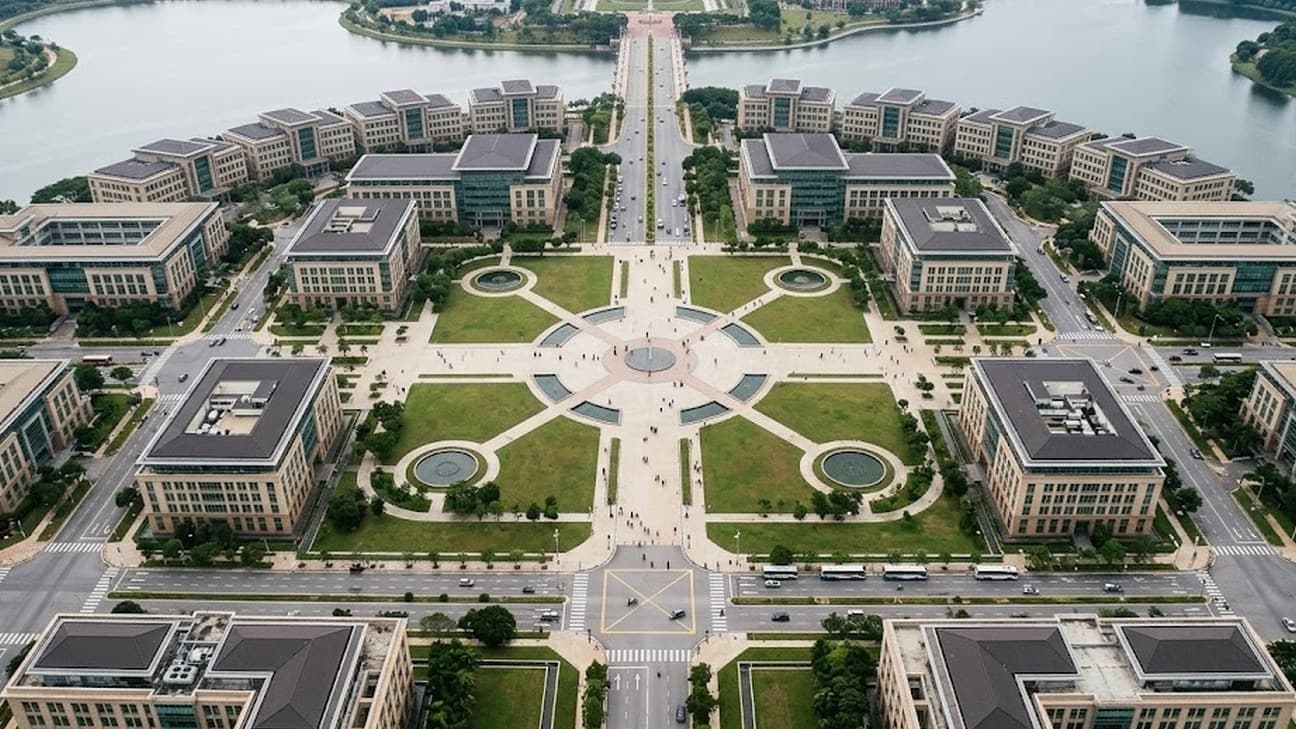
Malaysia Names AI a Budget 2027 Priority Sector, Vietnam's Deputy PM Sets a Trust-First Line for Digital Assets, and Thunes Adds Euro Stablecoin Treasury Funding
Malaysia's Finance Ministry listed artificial intelligence among a handful of strategic sectors it wants to attract high-value investment into under Budget 2027, alongside semiconductors and energy transition. In Ho Chi Minh City, Deputy Prime Minister Ho Quoc Dung used the Conviction 2026 forum to stake out the government's terms for a digital-asset market it is still building the licensing regime for — transparency and investor protection first. And Singapore-headquartered Thunes added Circle's euro stablecoin EURC to its treasury-funding rails, giving network members round-the-clock euro liquidity outside banking hours.
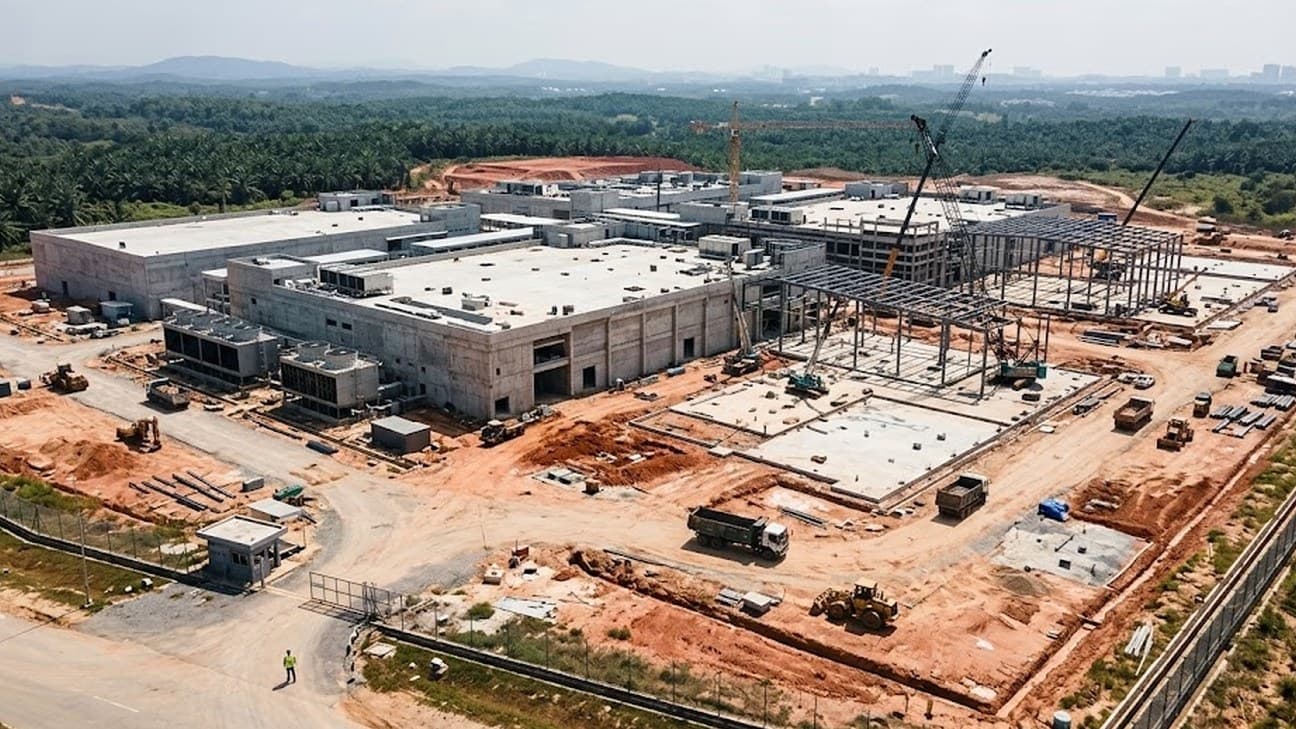
Tencent Cloud Opens Its First Malaysia Cloud Region in Johor, Bank Indonesia Launches a Domestic Credit Card to Challenge Visa and Mastercard, and BSP Data Shows Filipinos Went Digital-First on Payments in 2025
Tencent Cloud switched on two of three planned availability zones in Johor this week, its first cloud region in Malaysia, paired with an AI-talent program for over 1,000 students and educators — the latest hyperscaler to commit to the Johor data-centre corridor alongside Microsoft, Google and AWS. Bank Indonesia launched Kartu Kredit Indonesia, a domestic card scheme routed over QRIS rails with eight major banks already issuing, an explicit move to cut reliance on Visa and Mastercard. And new Bangko Sentral ng Pilipinas data shows electronic payments reached 64.69% of retail transaction volume in 2025, with QR Ph overtaking cards for the first time.
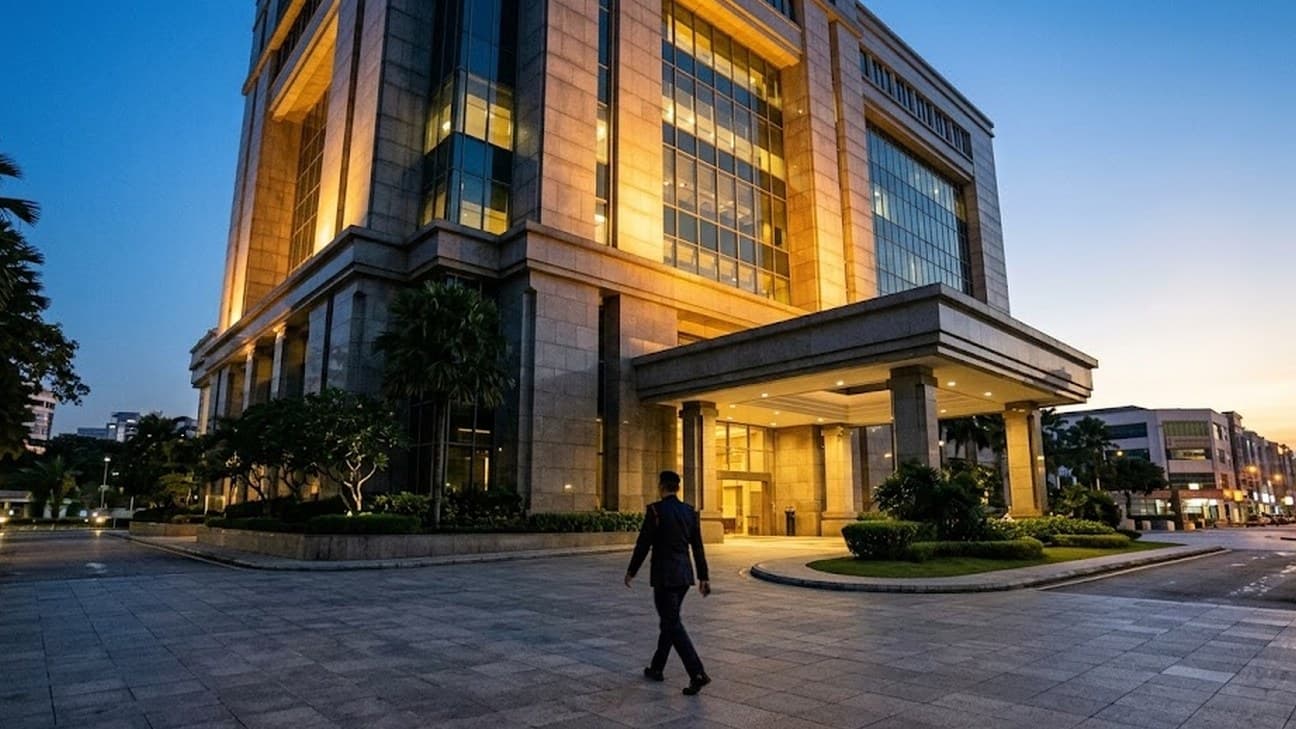
BNM Fines UBB Investment Bank RM10 Million Over Missed AML Reports, Vietnam's Crypto Compliance Infrastructure Takes Shape, and BSP Bets on Voluntary AI Guidance
Bank Negara Malaysia and Labuan's regulator disclosed a RM10 million compound against UBB Investment Bank for failing to report 53 suspicious transactions and botching a customer identity check — settled in June but only announced August 14. Sumsub and Orochi Network launched a compliance partnership aimed at Web3 firms preparing for Vietnam's incoming crypto licensing regime, positioning ahead of a market where five bank-linked applicants are already shortlisted. And the Bangko Sentral ng Pilipinas is leaning on its voluntary STARS framework to govern bank AI use, a lighter-touch approach that stands in contrast to Singapore's binding agentic-AI rules.

Southeast Asia's $4.1B AI Funding Total Rests on One Deal, Malaysia's MYRC Stablecoin Raises Outside BNM's Pilot Track, and Vietcombank Builds Corporate Banking From Scratch
Tracxn data shows Southeast Asia's native AI startups have raised $4.1 billion so far in 2026 — more than double last year's total — but a single $2.8 billion round accounts for 68% of it, leaving the rest of the market roughly flat. Malaysia's MYRC stablecoin issuer BLOX raised a $1 million seed round while remaining outside Bank Negara's official Digital Asset Innovation Hub, a split between sanctioned bank pilots and commercial ringgit-stablecoin activity. And Vietcombank is building a corporate banking platform from scratch with Virtusa rather than modernizing legacy systems, opting to own its AI infrastructure outright as Vietnam's digital-banking competition intensifies.
Sea Limited's Fintech Arm Scales on AI Underwriting, Malaysia Launches Its AI-Nation Portal, and Thailand Sets a February 2027 Deadline for the Crypto Travel Rule
Sea Limited's Q2 2026 results show its fintech unit Monee growing revenue 59% year-on-year, with AI-based document verification now cutting loan-review time by roughly 95%. Malaysia's Ministry of Digital formally launched the Rakyat Digital portal at a two-day AI upskilling event in Kuala Lumpur, opening the on-ramp for 100,000 youths to get free generative-AI access from the end of August. And Thailand's SEC and central bank moved to bind digital-asset operators to a Travel Rule regime, citing more than 380,000 cybercrime cases and over 25 billion baht in losses over the past year.
Malaysian Bankers Sour on AI 'Innovation Theatre,' Jakarta Runs AI Through Welfare Programmes Ahead of Its Own Rules, and eFishery's Investors Get a First Payout
Senior technology leaders at Malaysia's biggest banks say they are done funding AI pilots on vendor hype alone, demanding hard ROI metrics after years of six-month-payback promises. In Jakarta, Indonesia is running artificial intelligence through its flagship food-security, health and education programmes while the presidential regulation meant to govern that deployment remains unsigned. And in Singapore, liquidators winding down eFishery's holding company have made the fraud-hit Indonesian aquaculture startup's first confirmed capital return to investors, 18 months after the accounting fraud came to light.

Malaysia and Hong Kong Are Weeks From Switching On a Simplified Dual-IPO Framework — as Singapore Rations Crypto Licences and Layers On Tax Reporting, and Bank Negara Tells Lenders to Underwrite SMEs on Data, Not Collateral
The Securities Commission Malaysia and Hong Kong's SFC will bring a simplified dual-IPO framework into force in September, letting issuers list on both Bursa Malaysia and Hong Kong from a single set of documents and pitching Kuala Lumpur firms a Greater Bay Area on-ramp. In Singapore, the licensing funnel has closed hard — MAS has approved just 37 digital-token service providers from roughly 300 applicants — even as the tax authority prepares to bolt OECD-standard crypto reporting onto the survivors. And Bank Negara Malaysia used the launch of a RM10 billion guarantee programme to press banks to assess thin-file SMEs on cash-flow and transaction data rather than collateral.
A Former Binance Australia Chief Eyes Malaysia's Forest City, Singapore's AI Export Boom Triples Its Growth Forecast, and Maya Pushes Its IPO to 2027
Monochrome Asset Management's Jeff Yew, once head of Binance Australia, is in early talks to build an AI and blockchain campus at Malaysia's struggling US$100 billion Forest City development, filling the void left by Balaji Srinivasan's shuttered Network School. Singapore's economy grew 5.9% in Q2, prompting the government to nearly triple its 2026 growth forecast on the strength of AI-linked exports. And Philippine digital bank Maya has pushed its IPO target to 2027, conceding rival GCash will list first.

HSBC Finds Malaysia's Affluent Investors Lead the World on AI Adoption, Singapore's Acrab Raises $130M for Edge AI, and ADB Flags a Philippine Fintech Skills Gap
An HSBC survey finds 85% of Malaysia's affluent and high-net-worth investors already use AI tools for finance, the third-highest adoption rate globally, even as human advisors remain far more influential on actual decisions. Singapore's Acrab closed a $130 million Series B to push its edge AI chip platform toward commercial deployment, taking total funding past $480 million. And a joint ADB/Global Fintech Institute report finds Philippine fintechs facing a 48% technical skills gap, with AI and cybersecurity the weakest spots even as digital payments adoption accelerates.

Malaysian Banks Rewire Cyber Defence Around AI Agents, Singapore's 1exchange Joins Canton as a Tokenization Validator, and GCash's Parent Posts Record Revenue but a Shrinking Profit Ahead of Its IPO
Malaysian bank CISOs say scam losses hit RM2.8 billion in 2025 as non-human digital identities now outnumber human ones roughly 144 to 1, forcing a shift from firewall-based security to monitoring the behaviour of customers, partners and AI agents themselves. Singapore's MAS-regulated 1exchange became a validator on Canton, the privacy-enabled blockchain built for institutional tokenization, alongside payments firm FOMO Pay. And Mynt, GCash's parent, posted record second-quarter revenue even as its earnings contribution to Globe Telecom fell 12% year-on-year on the delinking of mobile casino apps — a split top-line-versus-profit story landing weeks before a planned IPO that could raise up to $1.5 billion.
Singapore Confirms Its AI Risk Rules Bind Agentic Agents, Malaysia's TNG Digital Reveals Why Payments Alone Don't Pay, and a Philippine Exchange Says Banks Need It for Stablecoin Liquidity
Singapore's Monetary Authority confirmed in an August 5 parliamentary reply that its forthcoming AI Risk Management Guidelines apply to agentic AI as well as simpler tools, though the industry-led SAFR safeguards framework remains voluntary. TNG Digital's own disclosures show why Malaysia's dominant e-wallet had to diversify beyond payments to reach profitability, with payment revenue's share of income falling from 75% to 47% over three years. And Coins.ph's chief executive says the Philippine exchange now processes roughly $100 million a day in stablecoin-to-peso trading and holds the majority of that liquidity — a claim that, if accurate, leaves local banks dependent on a non-bank platform for dollar access.

A New APAC Benchmark Finds Almost No One Can Audit Their AI Agents, Malaysia's Exports Lean Harder Into the Chip Cycle, and Vietnam Links VietQR to a Billion WeChat Pay Users
A Sumsub and Singapore Fintech Association survey of 720 APAC executives finds 98.6% want AI decision traceability but only 38% actually have a tamper-proof audit trail, with Malaysia scoring lowest in the region. RHB Investment Bank's modeling shows Malaysia's electronics exports are now more sensitive to the global semiconductor cycle than in any prior tech upswing. And Vietnam's NAPAS connected its VietQR network to Weixin Pay, the third Chinese wallet to link up this year.
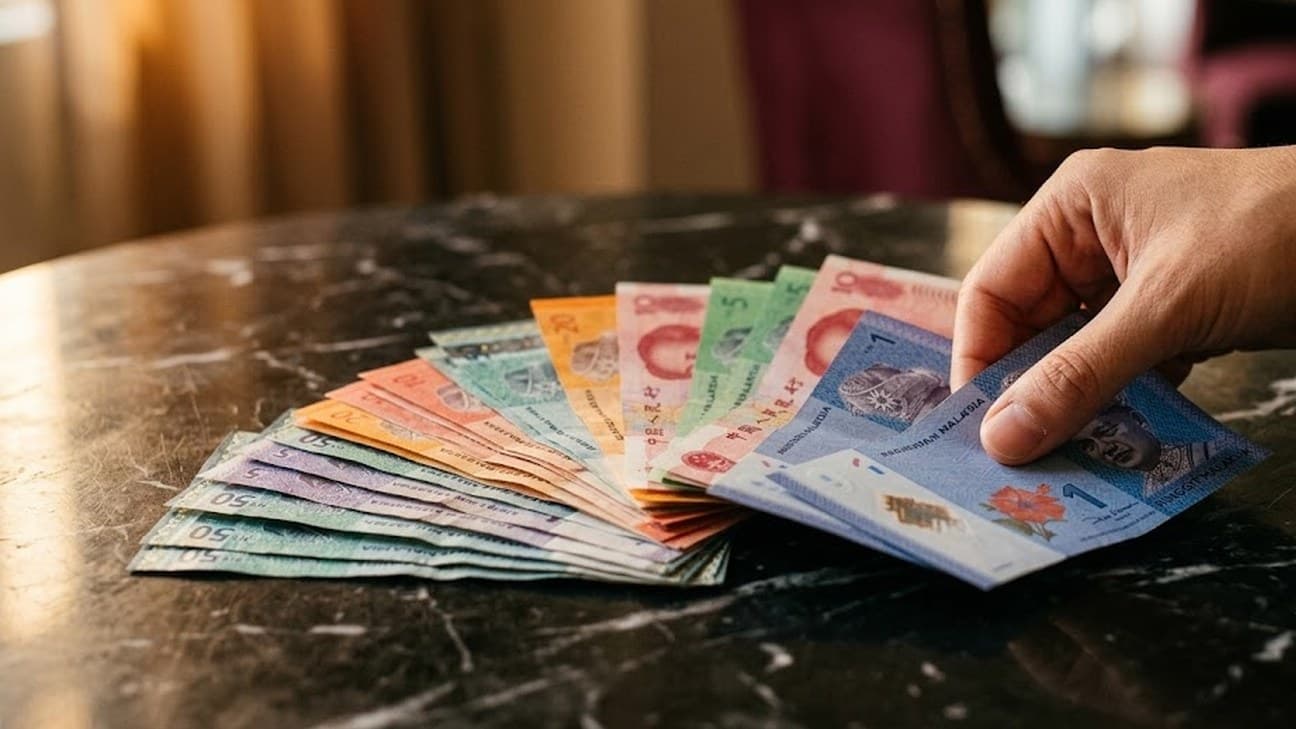
Malaysia and China Expand Their Currency Swap to RMB220 Billion, Indosat Targets a Gigawatt of AI Capacity, and Manila Gives Crypto Firms Three Months to Wire Into the National ID
Bank Negara Malaysia and the People's Bank of China have renewed and enlarged their bilateral local-currency swap to RM130 billion, the fifth renewal of an arrangement that has more than tripled since 2009. Indosat launched Zankore, a 1 gigawatt AI factory platform backed by Qatar's Ooredoo with Nokia and NVIDIA, with a first 200 megawatts due in the first half of 2027. And the Philippine central bank circulated a draft rule giving virtual asset service providers and digital banks three months to integrate with the national ID authentication system.
Southeast Asia's Tokenisation Bottleneck Moves From the Regulator to the Bank Balance Sheet — as Maybank Joins Singapore's Programmable-Settlement Push and a Fund Manager Warns Malaysia Not to Bet on Data Centres Alone
A Hashed Open Research–SCBX study, surfaced this week, argues that the constraint on scaling tokenisation across Southeast Asia is no longer regulation or technology but the economics of the banks themselves: tokenised assets earn little, cannibalise existing fees, and carry a 1,250% capital charge on public chains, even as regional on-chain volume grew 68% year-over-year to US$2.36 trillion. Against that backdrop, Maybank became the first Malaysian bank to join Singapore's MAS-led BLOOM initiative for programmable cross-border settlement — a concrete case of a systemic bank leaning in rather than holding back. And a Principal Asset Management executive used an investment forum to warn that Malaysia's technology story is dangerously narrow, with tech barely 1% of its main Shariah equity index even as the data-centre boom dominates the headlines.

CoreWeave's First APAC Bet Lands in Indonesia, Huawei Wires Up Johor's AI Build-Out, and BPI Pushes Agentic AI Into Lending
CoreWeave will build its first data centres outside the US and Europe in Indonesia — three sites totaling 360MW, its debut Asia-Pacific footprint. In Johor Bahru, Huawei unveiled new AI-ready power and cooling hardware as Invest Johor keeps recruiting global vendors to co-brand the state's data-centre pitch. In the Philippines, BPI used its 175th-anniversary briefing to commit to a first concrete agentic-AI use case — auto loans — with credit cards, housing and business lending next if the pilot works.
Thailand Puts a Gate on Its Data-Centre Boom, Bank Rakyat Buys Takaful Ikhlas for RM1.64 Billion, and RHB Launches a Bank-Owned Payment Gateway
Thailand's Cabinet has created a national Data Centre Business Policy Committee with authority over who may enter the industry, arriving after investment applications reached 872.49 billion baht in the first quarter of 2026 alone. Bank Rakyat is acquiring MNRB's family and general takaful units for RM1.64 billion in cash, the second billion-ringgit takaful transaction of the week. And RHB has launched what it calls Malaysia's first bank-owned unified payment gateway, moving an incumbent lender directly into merchant acquiring.
SoftBank's Telecom Arm Joins a Four-Country ASEAN AI Data-Centre Alliance, Grab's Lending Book Doubles, and Every Malaysian IT Buyer Says They Will Spend More on AI
A SoftBank subsidiary, Singapore's SC ZEUS and Malaysia's Robust HPC have agreed to build AI data centres across Malaysia, Thailand, Indonesia and Vietnam on liquid-cooled, 800 VDC infrastructure — and to sell GPU capacity as a service rather than lease shells. Grab's financial services arm grew revenue 59% year-on-year as its loan book expanded to US$2.3 billion. And an Alibaba Cloud survey found Malaysia was the only Asian market where every single IT decision-maker surveyed intends to raise AI spending.
Maybank Buys Out Ageas to Take Full Control of Etiqa, China Settles Malaysian Durian in Digital Yuan, and Indonesia's Pluang Ships Agentic AI Trading
Maybank is paying RM4.83 billion to buy Ageas out of their insurance joint venture, taking full ownership of the holding company behind Etiqa at just under two times book value. A second China-Malaysia cross-border test settled a durian shipment in digital yuan in about thirty minutes, routing around correspondent banks entirely. And Indonesia's Pluang opened a limited beta for AI-driven trading that plugs retail brokerage into ChatGPT, Claude and Gemini while keeping a human approval step on every order.
Singapore's Data-Centre Caps Fuel a Johor Boom, OpenAI Bans a Cambodia Scam Network, and SEA Payments Funding Is Really an Airwallex Story
Singapore's tightening data-centre approval regime keeps pushing hyperscale capacity into Johor, Bangkok and Jakarta, with Johor's colocation vacancy now under 1%. OpenAI disclosed and banned a Cambodia-based ChatGPT network used to run AI-generated romance and crypto-investment scams, with its own investigation surfacing signs of labor trafficking among the operators. A new Tracxn ranking shows Southeast Asia's payments-startup funding is real but heavily concentrated: two companies hold 83% of the $2.7 billion the top twelve have raised.

Washington's $2.5B ASEAN Package, Singapore Pushes Bank Crypto Rules to 2027, Vietnam's 17 Million Holders
The US unveiled a $2.5 billion Southeast Asia package built around a new AI-export initiative and the largest single project in DFC history, while Singapore's MAS deferred Basel-aligned crypto capital rules for banks to 2027 but ordered immediate exposure reporting. In Vietnam, a Blockchain Association analysis put the country's crypto holder base at 17 million people and pointed to a hard pivot from offshore retail trading toward licensed, institution-ready infrastructure.

Bursa Malaysia's Bigger IPO Target, Manila's Blockchain Filings, Jakarta's Tokenized SME Push
Bursa Malaysia raised its 2026 IPO market-cap target to RM34 billion after a stronger-than-expected first half. The Philippines' SEC rolled out a blockchain-based digital signing platform for corporate filings, while Indonesia's OJK pitched real-world-asset tokenization as a financing bridge for eastern Indonesia's small businesses. Three different registers of the same theme: capital markets, corporate infrastructure and financial inclusion are all quietly absorbing blockchain rails.

Malaysia's RM352 Billion Investment Wave Narrows to Chips and Data Centres — While Manila's Banks and Jakarta's China Pitch Redraw the Region's Digital Map
Malaysia averaged RM352.1 billion in approved investments a year across 2022–2025 and pulled in RM92.8 billion more in Q1 2026, but economists warn the wave is concentrating in a handful of semiconductor, AI and data-centre mega-projects rather than broadening out. In the Philippines, Bank of the Philippine Islands began piloting stablecoin-settled cross-border payroll with clearinghouse Meridian, moving stablecoins from exchange rails into a universal bank's remittance stack. And Indonesia used a Jakarta forum to pitch a US$1.83 billion data-centre market to 27 Chinese enterprises, formalising the capital contest Malaysia's own grid and financing limits have opened up.
BNM's 2027-2030 Blueprint, MAS's S$20bil Year, and Manila's AI Optimism
Bank Negara Malaysia used the Sasana Symposium to set three priorities for its 2027-2030 Financial Sector Blueprint and launched a new social-finance employment programme, while Singapore's central bank posted a S$20 billion net profit for FY2025/26 on strong investment gains. In the Philippines, a fresh Alibaba Cloud survey found 91% of enterprises optimistic about AI adoption, with innovation — not cost-cutting — as the top driver.
OECD Flags Malaysia's Jobs-Light Data-Centre Boom, Singapore Banks Form an AI-Cyber Taskforce, and Manila Launches New Payment Rails
The OECD's latest Economic Survey credits Malaysia's data-centre boom with tens of billions of dollars in investment while warning the sector creates disproportionately few jobs and is straining power and water supply. Singapore's MAS and the Association of Banks in Singapore stood up a joint taskforce, ACT, to counter AI-driven cyberattacks across the banking sector. And the Philippines' central bank rolled out new payment rails, including a tenfold increase to InstaPay's business transfer limit.
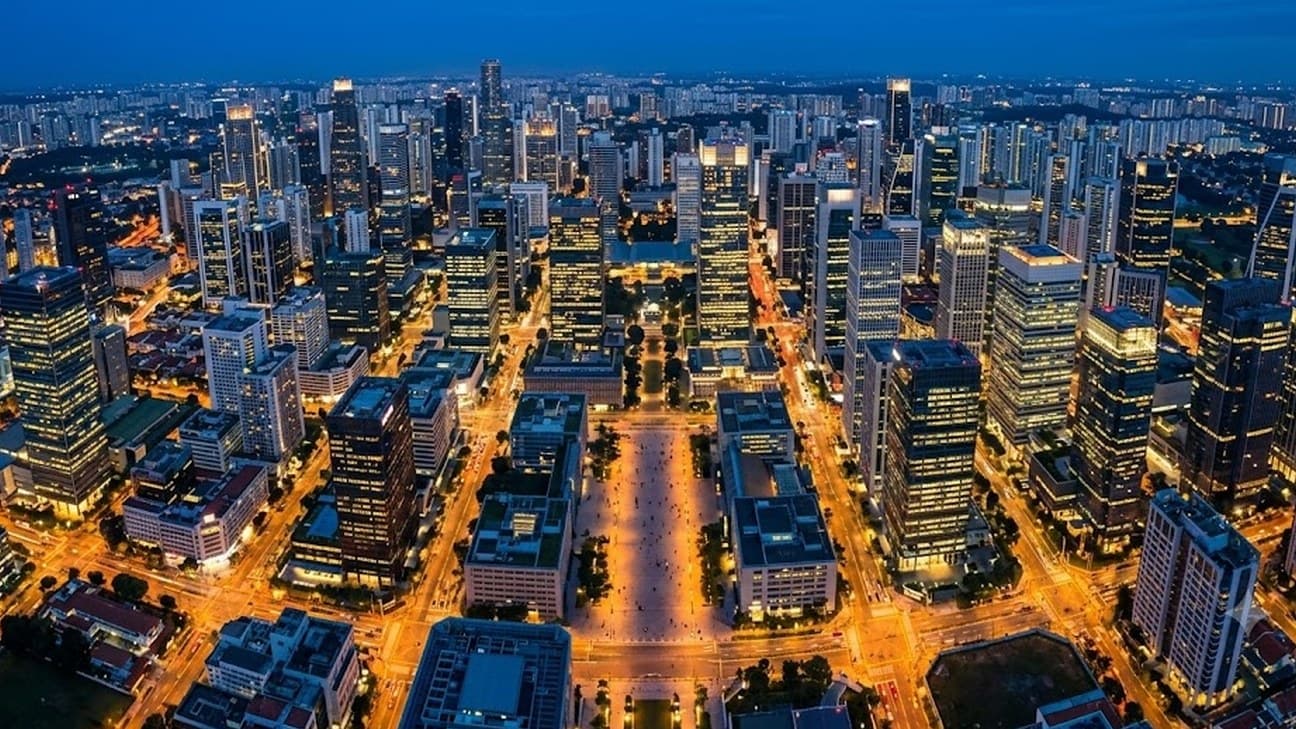
Binance's CZ Backs a Single Crypto License Across ASEAN, Malaysia's Government Pulls Support From Its Own Blockchain Week, and the Philippines Licenses a Seventh Digital Bank
Binance co-founder Changpeng Zhao publicly backed a crypto license passporting system across ASEAN at the ASEAN Tech Summit Manila, arguing firms licensed in one member state should face a streamlined path rather than a full re-application elsewhere. Malaysia's Ministry of Digital and MDEC withdrew all official support from Malaysia Blockchain Week 2026 after backlash over an after-party DJ booking. And the Philippines granted MariBank its seventh digital banking licence, upgrading it from a rural lender.
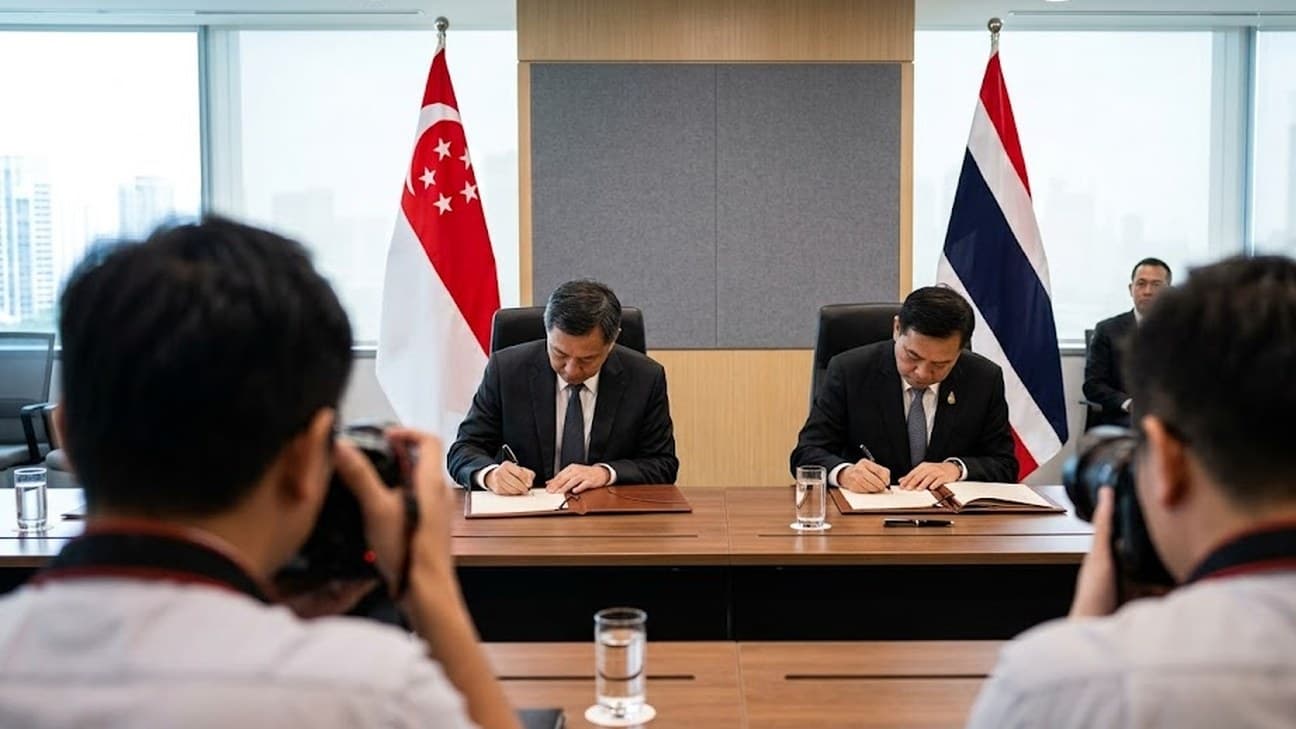
MAS and Bank of Thailand Sign a Cybersecurity Pact, HSBC Finds Crypto Holding Steady in Affluent Portfolios, and Manila Warns Banks on AI-Powered Attacks
Singapore's MAS and the Bank of Thailand signed a memorandum of understanding on cybersecurity cooperation, formalizing intelligence-sharing and joint crisis exercises between the two central banks. HSBC's 2026 Affluent Investor Snapshot found crypto holding steady at 6% of Malaysian and 5% of Singaporean investor portfolios, with both markets rotating toward gold and fixed deposits. And the Philippines' central bank issued a formal warning that frontier AI systems could soon be used to automate multi-stage cyberattacks on financial institutions.
Thailand's SEC Files a Criminal Complaint Against Bitkub Over a Five-Year-Old Hack Cover-Up, SGX Opens Grab and Sea to Retail Investors, and Vietnam Trains Regulators With Tether
Thailand's SEC filed a criminal complaint against crypto exchange Bitkub and two former directors, alleging they concealed a 2021 hack worth roughly $47 million from regulatory filings for five months. SGX added Grab, Sea, and SpaceX to its Singapore Depositary Receipt suite, letting local retail investors trade all three in Singapore dollars for the first time. And Vietnam's State Securities Commission ran a compliance and enforcement training program with Tether and Chainalysis as it builds out capacity ahead of a planned crypto exchange pilot.
US Section 301 Tariffs Hit Seven Southeast Asian Economies, Indonesia's Bank Jago Posts a 54% Profit Jump, and Coinbase Doubles Down on Singapore
The US imposed Section 301 tariffs across 60 economies on July 24, splitting Southeast Asia into a 10% tier (Malaysia, Cambodia, Indonesia) and a 12.5% tier (Vietnam, Thailand, the Philippines, Singapore), with technology products exempted. GoTo-backed Bank Jago posted a 54% year-on-year jump in Q2 net profit on stronger lending and deposit growth. And Coinbase is growing its Singapore headcount by a third even as it cuts staff globally, betting on the city-state as its Asia-Pacific hub.
A $25 Million US Crypto Forfeiture Traces to Malaysia and Cambodia, GXS Is Named ASEAN's Best Digital Bank, and Malaysia's AI Talent Gap Runs Ten to One
US prosecutors filed forfeiture complaints for more than $25 million in crypto tied to romance and investment scams, tracing the laundering infrastructure to IP addresses in China, Malaysia, and Cambodia. GXS Group — parent of GXS Bank Singapore and GXBank Malaysia — became the first bank named ASEAN's Best Digital Bank by Euromoney, with more than 80% of its customers arriving through the Grab and Singtel ecosystem. And Malaysia's Budget 2026 sovereign AI cloud allocation runs well ahead of the country's AI workforce, which sits at roughly a tenth of its 2030 target.
Malaysia's Data-Centre Boom Outgrows Its Banks and Its Grid as S&P Flags a US$20 Billion Funding Gap — While Nvidia Culls Half Its Approved Asian Chip Buyers
S&P Global Ratings estimates Malaysia's data-centre developers need more than US$20 billion over three years that domestic banks cannot supply under sector-concentration limits, even as data centres are projected to draw 31% of national electricity by 2035 — turning financing and power into the real ceiling on the boom. In the same window, Nvidia's new compliance whitelist removed more than half its past Asian chip buyers across Singapore, Malaysia and Japan, making chip access a gating input for the same buildout. And in Singapore, DRW's Cumberland secured a full MAS Major Payment Institution licence, sharpening the city-state's licence-the-compliant, squeeze-the-rest posture.
HKEX Recognises Bursa Malaysia, Bitget Confirms It Has No Singapore Licence, and Thailand's H1 Investment Applications Jump 37%
Hong Kong's exchange added Bursa Malaysia to its list of recognised exchanges, opening a secondary-listing route for Malaysian firms just as Bursa's own IPO market has already matched all of 2025's fundraising in five months. Bitget told Singapore users it holds no MAS licence and will restrict their access, sharpening the divide between the city-state's approved digital-asset platforms and everyone still operating outside the perimeter. And Thailand's Board of Investment logged a 37% year-on-year jump in H1 2026 investment applications to $43.6 billion, with digital infrastructure the single largest category and Singapore the top source of FDI.
Malaysia's PM Ships an AI Avatar of Himself, Bybit Goes Locally Licensed in Indonesia, and Manila Presses GCash and Maya on Fees
Malaysian Prime Minister Anwar Ibrahim launched PMX.AI, a WhatsApp chatbot trained on his own speeches and policy record, built by the newly Bursa-listed Zetrix AI — and it was immediately overwhelmed by traffic. Bybit went live as a regulated Indonesian exchange after taking majority control of the former NOBI, the latest crypto platform to choose a licensed entry over an offshore one. And the Philippines' central bank is pressing GCash and Maya to justify InstaPay fees that still sit well above the network's actual switching cost.

Singapore's Fintech Funding Snaps Back 3.4x, Vietnam Runs Its First RWA Summit, and a Malaysian Chip-Automation IPO Opens 145% Above Offer
Singapore's fintech sector raised $544.2 million across just 11 deals in the second quarter, a 3.4x jump from Q1 that reflects investors concentrating capital into fewer, larger bets rather than a broad recovery. Vietnam held its first international summit on real-world-asset tokenization in Hanoi, confronting the gap between an estimated $200 billion already moving through the country's crypto market and a licensing regime still six legal documents into a ten-month build. And Stratus Global Holdings, a Malaysian supplier of cleanroom automation systems to the semiconductor industry, opened 145% above its IPO price on its Bursa Malaysia debut after its retail tranche was oversubscribed nearly 129 times.
Vietnam Fines Unlicensed Crypto Trading, S&P Says Malaysia's Data-Centre Boom Needs $20 Billion, and Singapore's Whale Raises $40 Million More
Vietnam signed Decree 284/2026/ND-CP, imposing its first-ever fines on domestic investors trading crypto assets outside licensed platforms, effective September 1 as five shortlisted exchanges prepare to launch. S&P Global Ratings said Malaysia can nearly triple its data-centre capacity by 2030 but needs roughly $20 billion in financing beyond what domestic banks can supply. And Singapore's Whale raised a $40 million Series C extension from Hong Kong, Japanese, Thai and Korean strategic investors to fund its push into the Middle East and Europe.

IFC Backs a $175 Million Johor Data-Centre Expansion, Malaysia Reaffirms Binance Remains Unlicensed, and Singapore's SimpleAI Raises $15 Million to Buy Accounting Firms
The International Finance Corporation approved up to $175 million in combined debt and equity financing for AirTrunk's two hyperscale data centres in Johor Bahru, adding multilateral development capital to Malaysia's AI-infrastructure build-out. Malaysia's Ministry of Finance told Parliament that Binance remains unlicensed and blocked in the country, clarifying that its 2024 removal from the Securities Commission's Investor Alert List was never an authorization to operate. In Singapore, AI accounting-automation startup SimpleAI raised $15 million — a $5 million seed round plus a $10 million debt facility — to acquire small accounting and fund-administration firms across the region.
An Immigration Raid Freezes a $122 Million Malaysia Bet, SBI Closes Its Coinhako Buyout, and Wahed Opens Fractional Property Investing
An immigration check at Balaji Srinivasan's Network School campus in Johor's Forest City has frozen a $122 million expansion pending assurances from Prime Minister Anwar Ibrahim's office, even after authorities cleared every one of the 266 foreign residents checked. In Singapore, SBI Holdings closed its majority buyout of Coinhako a day after partnering with Ondo Finance to tokenize Japanese equities through its JPYSC stablecoin, using MAS-regulated infrastructure as a settlement layer it can't yet build at home. And in Malaysia, Wahed opened its Securities Commission sandbox-stage fractional real estate platform to the public, letting investors buy into individual properties from RM500.

Indonesia's Bittime Launches OJK-Cleared Crypto Futures, Malaysia Opens a RM200 Million Tech Financing Pool, and Singapore's Episode Six Builds an Agentic-Payments Centre
Indonesia's Bittime became the first digital-asset platform to launch crypto futures trading after clearing exchange operator CFX under OJK's new derivatives framework, offering 49 pairs at up to 25x leverage. Malaysia's CapBay and MDEC opened a RM200 million (roughly US$49 million) collateral-free financing pool for Malaysia Digital-status tech firms, assessed on an AI-driven credit model rather than physical assets. And Singapore's Episode Six opened an AI centre backed by AWS's Enterprise Compute Initiative to build agentic payment tools for banks, with a first product due in the fourth quarter.

Oxford Economics Warns Malaysia's Compliance Stack Could Cost RM792 Million a Year in Startup Capital — Even as PolicyStreet's US$26 Million Round Shows the Money Is Still There
A study by Oxford Economics for the light-touch advocacy coalition Digital Prosperity Asia models Malaysia's tightening digital-regulation stack as a structural cost on startups, projecting that a more restrictive path could cut venture-capital funding 26% — roughly RM792 million a year — through 2035, with 88% of surveyed startups already citing operational constraints. Against that backdrop, Kuala Lumpur insurtech PolicyStreet topped up Malaysia's largest insurtech round to US$26 million with a fresh US$5 million from Schroders-owned impact investor BlueOrchard, alongside Khazanah and Cool Japan Fund — evidence that capital still backs Malaysian fintech with a clear regional thesis. Together the two data points frame the week's real question for Malaysia: whether compliance cost or capital conviction sets the ceiling on its startup economy.
MAS Flags AML Gaps Across Singapore's Crypto Firms, Manila's IBPAP Cuts Its 2028 Outsourcing Targets on AI, and Fitch Says Malaysia's Data-Centre Capacity Will Overtake Singapore's
The Monetary Authority of Singapore published a July 16 supervisory paper flagging anti-money-laundering gaps across digital payment token providers — thin wealth-source verification, under-scrutinized large transfers, and incomplete Travel Rule screening — and told boards to own the fix. The Philippines' IT-BPM association IBPAP cut its 2028 industry roadmap from US$59 billion and 2.5 million jobs to a US$43.3–50.5 billion, 1.85–2.14 million-job range, citing AI adoption, slower buyer decisions and rising competition. And Fitch Ratings said Malaysia's data-centre capacity should reach roughly 2 gigawatts by year-end, overtaking Singapore's 1.4–1.5 gigawatts, though financing — not power or land — is now the sector's binding constraint.
Malaysia opens public consultation on its first cross-sector AI Governance Bill, Nestlé commits US$688m to an AI-run Thai coffee hub, and Nium buys into on-chain payments
Malaysia's National AI Office released a Public Consultation Paper on July 10 for the country's first horizontal AI Governance Bill, proposing a three-tier risk framework with mandatory incident reporting, open for feedback through July 31. Thailand's Board of Investment approved a US$688 million Nestlé smart factory in Samut Prakan that will run on AI and robotics to supply the region with instant coffee. And Singapore's Nium acquired Y Combinator-backed crypto wallet firm Cypher, adding on-chain settlement to its cross-border payments infrastructure.

Temasek pivots from crypto to AI, Thailand's stablecoin dragnet, and Malaysia's AI IPO record
Temasek tells investors it holds no direct crypto exposure and is lifting its AI allocation from 6% to 15% by 2031, citing regulatory uncertainty and its $275 million FTX write-off. Thailand's central bank and securities regulator have opened a joint probe into high-volume USDT transfers structured to dodge disclosure rules. In Kuala Lumpur, AI systems-integrator SRKK AI closed its ACE Market debut up 90.6%, the most oversubscribed Bursa Malaysia listing of 2026.

Indonesia courts Nvidia to add 1.3GW of data-centre capacity, Flip brings Paytm's Soundbox to Jakarta merchants, and Vietnam's F88 opens a US$59m IPO ahead of a HOSE listing
Indonesia's coordinating economy minister said global investors are lining up to add 1.3 gigawatts of new data-centre capacity — against roughly 580 megawatts running today — with Nvidia among the prospects and a US$15–20 billion pipeline behind it. Fintech unicorn Flip is bringing Paytm's Soundbox voice-payment device to Jakarta merchants through its Flip Kasir platform, and Hanoi-based alternative lender F88 opened a US$59.3 million public share offering on 6 July as it works toward a main-board listing on the Ho Chi Minh Stock Exchange before year-end.

Da Nang Names Tokenization a Priority for Vietnam's Planned Financial Centre, Malaysia Discloses 75,578 Crypto Mining Machines Seized Since 2022, and Japan's SBI and Daiwa Target Singapore for Tokenized Securities
Vietnam's Da Nang Financial Forum named tokenization of real assets among five priority product groups for the city's planned international financial centre. Malaysia's Ministry of Home Affairs disclosed that authorities have seized 75,578 illegal crypto mining machines and arrested 629 people in power-theft raids since 2022. And Japan's SBI Securities and Daiwa Securities said they are building a blockchain settlement platform for tokenized Japanese securities, choosing Singapore as their first international market.

Barisan Nasional's Landslide in the Johor State Election Removes a Political Overhang From the JS-SEZ Pipeline, Singapore's MAS Proposes Faster Fund-Type Approvals, and Malaysian Police Seize US$323,000 in Crypto From a World Cup Betting Ring
Barisan Nasional won 48 of 56 seats in Johor's state election, its best result since 2008, in a contest fought substantially as a referendum on delivery of the Johor-Singapore Special Economic Zone. Singapore's MAS proposed a new Alternative Funds Appendix meant to cut approval times for novel retail fund structures from months to weeks. And Royal Malaysia Police seized more than US$323,000 in crypto credits in a raid on an international World Cup betting syndicate operating out of a Kuala Lumpur office.
The Philippines' BSP Still Can't Give a Timeline for New Digital Bank Licences, Singapore's M-DAQ Links Up With Vietnam's METech to Build an ASEAN Payments Hub, and the World Bank Reclassifies Vietnam and the Philippines as Upper-Middle-Income
Bangko Sentral ng Pilipinas deputy governor Lyn Javier said the central bank cannot yet say when new digital bank licences will be issued, leaving three applicants waiting on four available slots. Singapore's M-DAQ Global integrated with Vietnam's METech, giving it direct dong collection and payout infrastructure and a fifth regulated payment licence across four ASEAN markets. And the World Bank reclassified both Vietnam and the Philippines as upper-middle-income economies, a milestone that also narrows their access to concessional financing.
GCash Parent Mynt Files a Record ₱92.3 Billion IPO as a Bank Circular Forces Philippine Lenders to Zero Out Transfer Fees, and Malaysia's Zetrix Becomes the Philippines' National Blockchain
Mynt, the parent of e-wallet GCash, filed for what could become the largest IPO in Philippine history at up to ₱92.3 billion, in the same window that a new BSP circular is forcing banks to strip interbank transfer fees down to actual cost. Malaysia's Zetrix signed an MOU to become the second sovereign blockchain infrastructure it powers, after its own government, extending Malaysian digital-ID rails into the Philippines. And Malaysia's Johor-Singapore Special Economic Zone blueprint cleared Cabinet, with its formal launch deliberately deferred until after this week's Johor state election.
Bank Negara maps a 2027–2030 finance blueprint as AI reaches 70% of Malaysian firms, Singapore's dConstruct raises US$125m for robotics, and Temasek's Azalea opens private equity to the wealthy
Bank Negara Malaysia governor Abdul Rasheed Ghaffour used the AICB Nexus 2026 conference to sketch the next Financial Sector Blueprint 2027–2030 — anchored on open finance and asset tokenisation — while warning that with more than 70% of Malaysian financial firms now running AI, accountability cannot be delegated to an algorithm. In Singapore, robotics and reality-capture firm dConstruct closed a US$125 million Series A as the state-backed RoboNexus accelerator graduated its first cohort, and Temasek-backed Azalea launched a US$350 million evergreen fund that opens private-equity access to private banks, family offices and wealthy individuals.
Securities Commission Malaysia Moves to Make AI Oversight a Listed-Company Board Duty, Central Pattana and Mitsubishi Estate Commit US$330 Million to a Bangkok Megaproject, and OCBC Launches an AI-Native Banking App for Its Wealthiest Clients
The Securities Commission Malaysia opened a consultation proposing that Bursa-listed boards disclose how they oversee AI and technology use, alongside three other corporate-governance reforms. Thailand's Central Pattana and Japan's Mitsubishi Estate broke ground on an 11 billion baht (US$330 million) mixed-use development at Bangkok's Pathumwan intersection. And Singapore's OCBC launched an invitation-only AI-native banking app for private-client customers with at least S$1.5 million in assets.
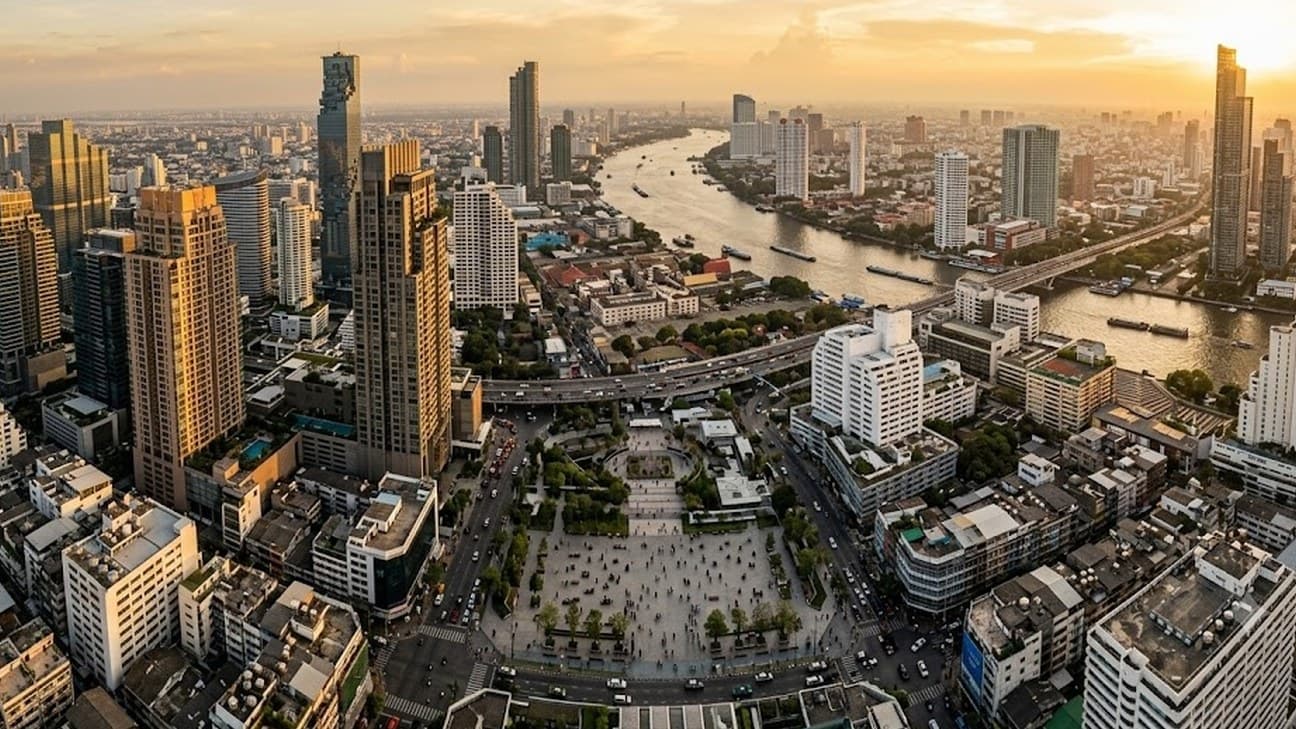
Southeast Asia tech funding doubles to US$7.4bn in H1 but concentrates in Singapore, Malaysia launches its MD2030 AI-nation plan, and Singapore's Acti raises US$5.3m for an agentic keyboard
Southeast Asian tech companies raised US$7.4 billion in the first half of 2026, more than double a year earlier — but 94% of that capital landed in Singapore, and a handful of data-centre and infrastructure mega-rounds did most of the lifting. Malaysia responded to the same infrastructure race with MD2030, a national action plan to move the country from technology consumer to home-grown AI producer by 2030. And Singapore's Acti closed a US$5.3 million seed round to build an agentic smartphone keyboard, an early bet on where consumer AI agents actually live.

The Philippines' Project Agila Shows a Wholesale CBDC Can Settle 24/7, Malaysia's Boost Says Its Agentic AI Now Resolves 90% of Banking Enquiries, and Japan's MinebeaMitsumi Bets US$360 Million on AI Data-Centre Bearings in Cambodia or Thailand
The Bangko Sentral ng Pilipinas said its Project Agila wholesale CBDC pilot demonstrated that tokenized interbank transfers can settle beyond normal banking hours, running the test across six of the country's largest banks. Malaysian digital bank Boost said its agentic AI platform, Boba Voice, now resolves 90% of incoming customer enquiries without human escalation. And Japan's MinebeaMitsumi committed 58 billion yen (US$360 million) to expand production of precision bearings for AI data-centre cooling systems at a facility in Cambodia or Thailand.

XTransfer opens a Kuala Lumpur hub on conditional BNM payment licences, Grab closes its US$425m Stash acquisition, and MAS unveils a runtime safety framework for AI agents
XTransfer, a B2B cross-border trade payments platform, opened a Kuala Lumpur office as its Southeast Asia hub, months after winning conditional Bank Negara Malaysia approval for key payment licences. Grab completed its acquisition of US digital investing app Stash Financial on 1 July, paying a US$425 million enterprise value for an initial 50.1% stake in a platform with more than US$5 billion in assets and over a million subscribers. And the Monetary Authority of Singapore, alongside Visa, Mastercard, Circle and others, published SAFR — a runtime framework meant to keep AI agents inside their mandates in financial services.

Indonesia's OJK Maps a 2026–2031 Roadmap for Stablecoins and Tokenization, Malaysia Backs a RM185 Million Bet on Home-Grown HBM4 Chips, and Singapore's MAS Builds an Institute to Push AI and Tokenization Past Pilots
Indonesia's OJK published a 2026–2031 roadmap for its digital-asset industry, mapping out stablecoin regulation, asset tokenization and a single investor ID system across a base of 22.4 million crypto consumers. Malaysia's MOSTI approved a RM185 million grant to five local firms chasing the country's first home-grown HBM4 memory test chip. And Singapore's MAS stood up a Future of Finance Institute meant to move AI and tokenization from one-off pilots into industry-wide infrastructure.
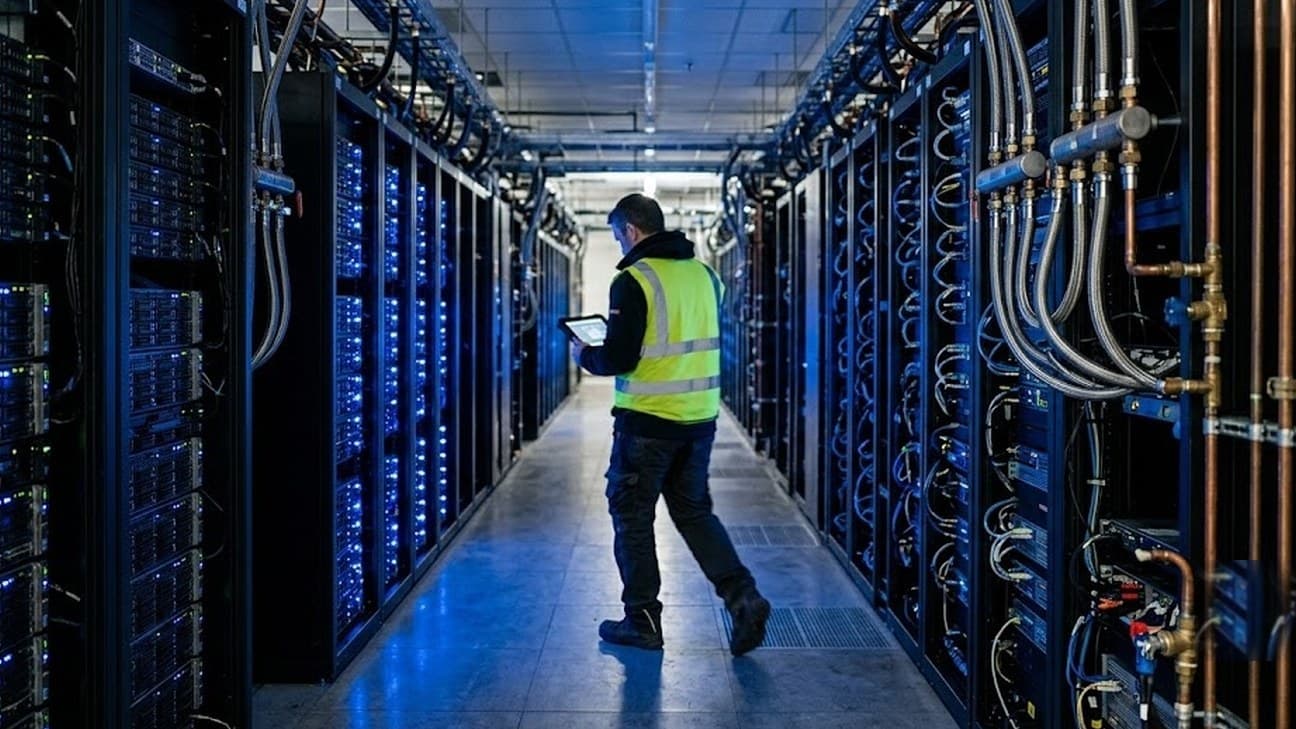
Firmus and Nvidia commit a 360MW GPU campus to Batam, BTSE opens an OJK-licensed exchange in Indonesia, and Creador's Brahmal takes the CTOS chair
Firmus and Nvidia unveiled a 360-megawatt, 170,000-GPU AI factory on Batam built with Singapore's DayOne, carrying up to US$30 billion in offtake and pointed at mid-size AI firms rather than hyperscalers. BTSE Group entered Indonesia through a joint venture on the rebranded NVX platform, becoming an OJK-licensed exchange the same week Jakarta tightened the sector. In Malaysia, Creador founder Brahmal Vasudevan took the chair of credit-data firm CTOS Digital as the board added a director who led AI adoption at AmBank.
Indonesia's OJK shuts 228 illegal crypto platforms as a new OECD report maps Asia's regulatory gap, Malaysia scraps the RM1 interbank ATM fee nationwide, and Thailand's Amity Robotics raises US$7 million for physical-AI concierge robots
Indonesia's OJK task force Satgas PASTI shut 228 illegal digital-asset platforms between January and May 2026 — roughly one every working day — just as a new OECD report showed blockchain crypto-asset transactions across Asia rising 69% year on year, with Indonesia fourth by volume. Malaysia abolished the RM1 interbank ATM and Smart Recycler Machine withdrawal fee nationwide from July 1, giving debit cardholders unlimited free withdrawals across more than 14,000 machines under a PayNet-coordinated arrangement. And Thailand-founded Amity Robotics raised US$7 million in equity and debt to expand its physical-AI concierge robots, already deployed across more than 30 malls and hotels in Asia and the Gulf.
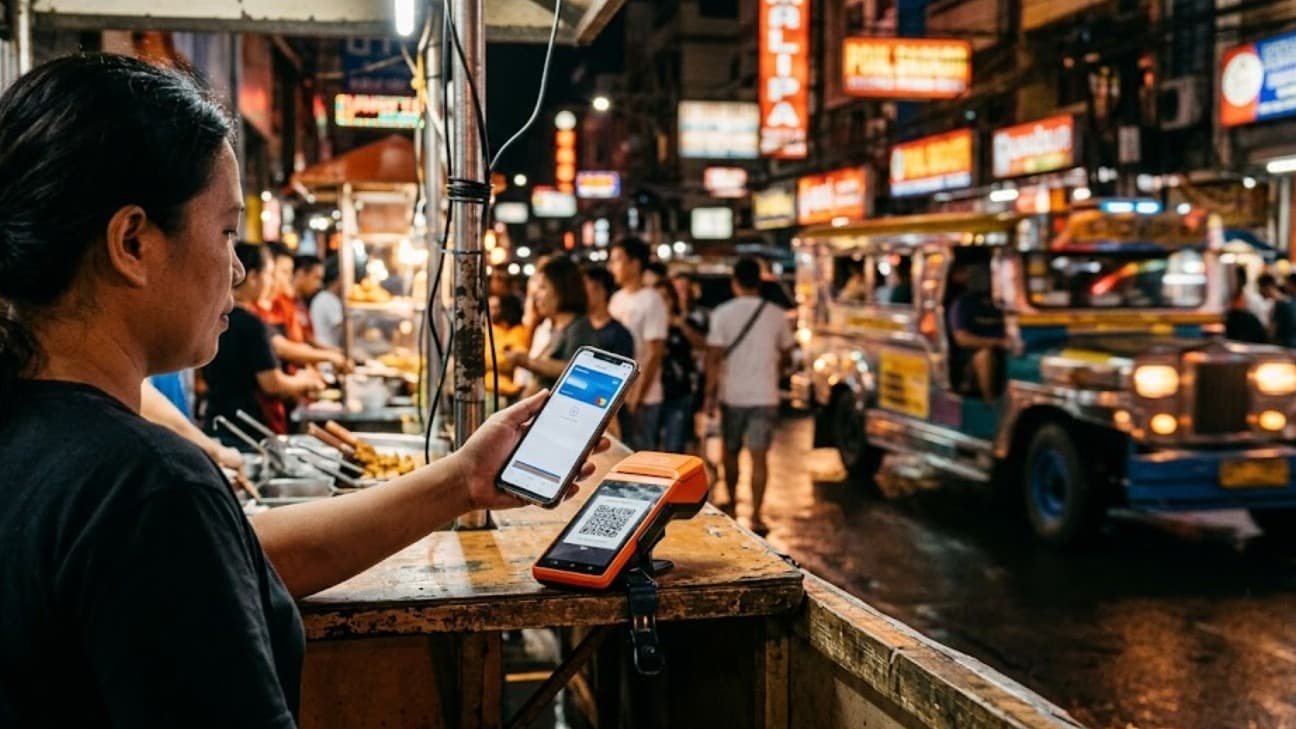
Binance Re-Enters the Philippines Through a Sandbox Intermediary, Malaysia Orders One QR Standard Across Every Wallet, and a Nasdaq Firm Backs Indonesia's Rupiah Stablecoin
The Philippine SEC granted BlockShoals final clearance in its Strategic Sandbox with Binance named as the backend crypto-asset service provider — a regulated re-entry for the exchange that was blocked from the country in 2024, though neither party holds the central bank's VASP licence. Bank Negara Malaysia issued an Interoperable Fund Transfer Framework that forces proprietary QR networks to shut by mid-2028 and routes all retail QR payments onto PayNet's shared DuitNow rails. And Nasdaq-listed Lion Group committed up to US$12 million of stock for a stake in the developer of NIDR, an OJK-tracked rupiah stablecoin.
Ant International opens a Kuala Lumpur fintech development centre backed by 1,500 roles, Vietnam's G-Group commits US$300 million to a Hanoi AI data centre, and Malaysia launches a national semiconductor incubation programme
Ant International opened its first global fintech development centre at Kuala Lumpur's Tun Razak Exchange, officiated by Prime Minister Anwar Ibrahim, anchoring roughly 1,500 fintech roles in Malaysia and pledging input into the country's AI governance work. Vietnam's G-Group committed VND 7.6 trillion (US$300 million) to build an AI data-centre campus at Hoa Lac in Hanoi, partnering with Omantel subsidiary OTECH. And Malaysia's MTDC launched SemiconStart, a national incubation programme offering up to MYR 1 million per company to ten homegrown semiconductor ventures.
Thailand-founded Amity makes Singapore its global AI hub ahead of a 2027 IPO, Penang and OSK Ventures open a financing channel for AI and deeptech startups, and Singapore's Qashier raises US$6.1 million for its regional merchant OS
Enterprise-AI firm Amity, founded in Thailand, opened a Singapore research and application centre as its regional headquarters and global AI research base, building on a US$100 million Series D disclosed in March and targeting US$200 million in annualised revenue ahead of a planned 2027 listing. Malaysia's state-backed Digital Penang and OSK Ventures signed a one-year memorandum to widen growth-stage financing for AI, hardtech and deeptech companies in Penang. And Singapore's Qashier raised a US$6.125 million Series A+ led by Cocoon Capital to expand a unified merchant operating system now running across four Southeast Asian markets.

DBS extends US$210 million to a Singapore-managed energy-transition vehicle, MIT makes its first major Southeast Asia startup bet on PvX Partners, and MAS opens its 2026 AI-focused FinTech Hackcelerator
DBS provided a US$210 million senior facility to ETAFCo, the first loan to the Clifford Capital-managed vehicle under Singapore's blended-finance FAST-P initiative, making DBS the only commercial bank in two FAST-P partnerships. MIT joined the cap table of Singapore-incorporated PvX Partners, its first major disclosed Southeast Asia startup investment since 2018, backing a non-dilutive user-acquisition financing model. And the Monetary Authority of Singapore opened applications for its 2026 Global FinTech Hackcelerator built around three AI problem statements in credit and fraud, wealth, and SME risk.
Indonesia's draft national AI roadmap routes financing through Danantara, Vingroup's Vinpearl pulls US$255 million from a Temasek-linked private credit fund and Oman's wealth fund, and Malaysia's TNG eWallet adds CIMB-backed ASB financing
A draft Indonesian presidential regulation would embed AI across President Prabowo Subianto's priority programs and channel financing through the Danantara sovereign fund, projecting a 12% — roughly US$366 billion — GDP lift by 2030. Vingroup's hospitality arm Vinpearl closed a US$255 million strategic investment in convertible preference shares from SeaTown Private Credit Fund III, a Temasek unit, and Oman-backed Vietnam Oman Investment. And Malaysia's TNG eWallet launched ASB Financing with CIMB Islamic, letting users borrow up to RM200,000 to invest in a government-linked unit trust from inside the app.
Bank of Thailand readies bank-issued baht stablecoin rules, Maybank rolls out an AI wealth-advisory platform with Switzerland's Evooq, and Singapore's ChemT raises US$4 million for AI-driven biomanufacturing
The Bank of Thailand said it will publish formal rules for a Thai baht stablecoin within 2026 or early 2027, gradually letting commercial banks and financial institutions issue baht-pegged tokens for payments and settlement. Maybank partnered with Swiss wealth-tech firm Evooq to deploy Advisor Assist, an AI platform giving its regional relationship managers portfolio-risk analytics and next-best-action prompts. And Singapore's ChemT Biotechnology closed a US$4 million seed round led by Wavemaker to scale an AI 'virtual cell' platform for biomanufacturing.
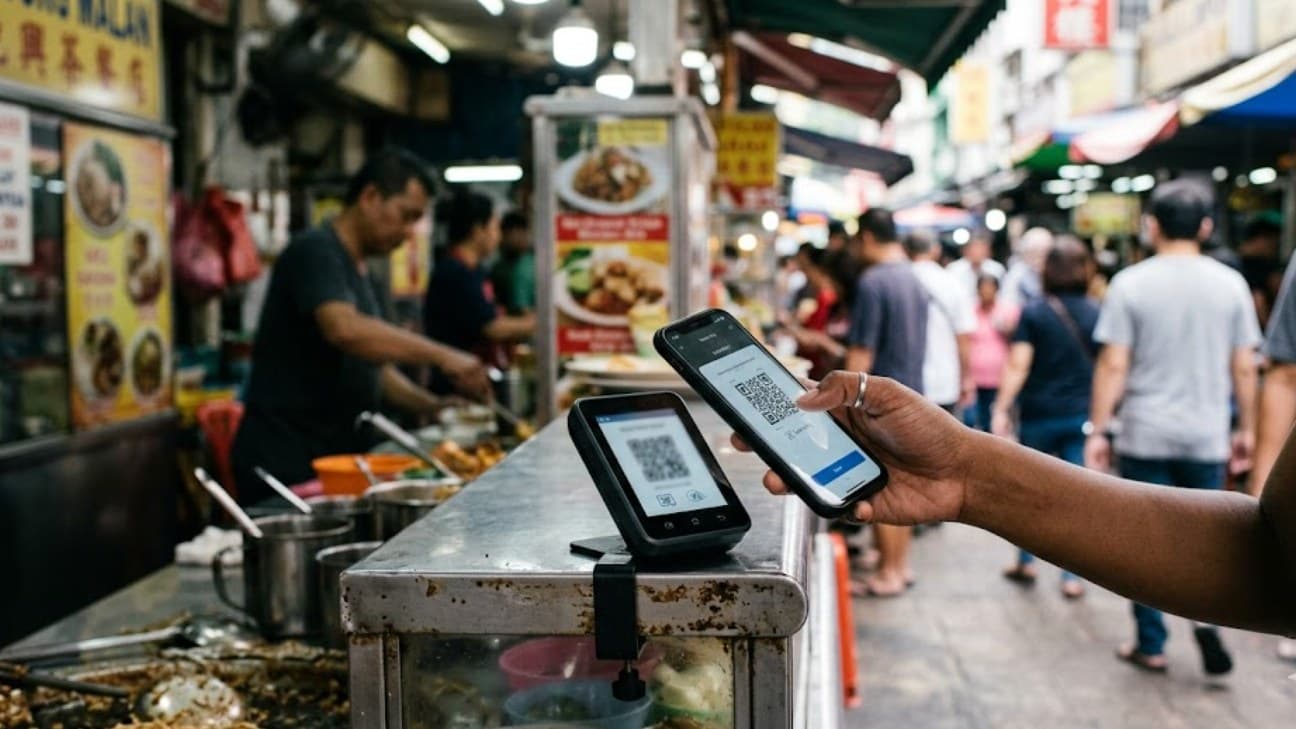
AMRO warns Malaysia's maturing digital-finance sector faces BNPL and profitability gaps, Southeast Asia's $30 billion data-centre boom runs into a power wall, and Indonesia mandates certification for crypto influencers
AMRO published an assessment finding Malaysia's digital-finance ecosystem entering maturity but exposed on fintech profitability, rising fraud and regulatory gaps in fast-growing credit such as buy-now-pay-later. A TechNode analysis put Southeast Asia's data-centre market on track for US$30.47 billion by 2030 while regional power generation grows at under half the pace of compute demand, with Malaysia's data-centre electricity use projected to rise eightfold by 2030. And Indonesia's OJK issued Regulation No. 6 of 2026, requiring financial influencers to hold certifications and route crypto promotion through licensed firms.
Singapore's Economic Strategy Review picks AI deployment over model-building and sets up a National AI Council, FPT and Microsoft widen their agentic-AI pact across Asia, and Bank Negara and the SC convene a joint Islamic-finance panel
Singapore's Economic Strategy Review committees released their final report, recommending the city-state compete as a global hub for deploying AI solutions rather than building frontier models, and standing up a National AI Council with missions across four sectors. FPT and Microsoft expanded their strategic collaboration to push agentic AI into enterprises across ASEAN, Japan and South Korea, with FPT aiming to equip up to 20,000 developers with agentic tooling over three years. And Bank Negara Malaysia and the Securities Commission convened a joint advisory panel — backed by EPF, Khazanah, PNB and KWAP — to coordinate the country's Islamic-finance agenda.
Indonesia Hands Crypto to Its Bank Regulator, the Philippines Fits Tokenization Into Old Law, and $744m of Private Credit Steps Into the SME Gap
Indonesia's parliament passed the P2SK Law revision that moves crypto supervision from the commodity regulator to OJK, the financial-services authority — a reclassification that lets the regulator apply bank-style prudential rules to exchanges, with the real terms still to come in implementing regulations. The Philippine SEC said it can already accommodate tokenized securities under existing law and named the four firms in its sandbox. And AllianzGI closed a first $744 million for an Asia Pacific private-credit fund aimed at Southeast Asia's middle market, just as the region's P2P lenders strain under SME defaults.

Bank Negara fines AEON Credit RM520,000 for sanctions-screening failures, Vietnam's MoMo fields bids for up to half the company near a $3bn valuation, and MAS adds Bybit to its investor alert list
Bank Negara Malaysia disclosed on June 24 a RM520,000 penalty against AEON Credit for onboarding a sanctioned customer and delaying the account freeze, enforcing targeted financial sanctions as a discrete supervisory line. Vietnam's MoMo is fielding investor interest in a secondary sale of up to 50% that could value the payments unicorn near $3 billion, with Blackstone and MUFG among the reported suitors. And the Monetary Authority of Singapore added crypto exchange Bybit to its investor alert list, flagging that the unlicensed venue is not authorised to serve Singapore residents.

Libeara raises $14m for regulated tokenization rails, SunAsia and VinEnergo commit $406m to floating solar, and H3 Zoom closes a $3.6m AI-inspection round
Singapore digital-asset infrastructure firm Libeara closed a $14 million strategic round led by market maker GSR on June 23, pulling in regional insurers and distribution partners to scale tokenized real-world assets. The Philippines' SunAsia Energy and Vietnam's VinEnergo committed $406 million to a 422-MWp solar-on-water portfolio, a cross-border ASEAN energy bet sized to the region's rising power demand. And Singapore's H3 Zoom closed an oversubscribed $3.6 million Series A, led by East Japan Railway's venture arm, to scale AI-driven infrastructure inspection across Asia.

Shopee lands inside ChatGPT, Malaysia's trade surplus hits a record, and BSP clears bank-run digital marketplaces
Sea Limited and OpenAI widened their partnership on June 22, embedding Shopee inside ChatGPT across seven Southeast Asian markets and Brazil and adding seller and developer tooling. Malaysia's trade surplus hit a record RM132.77 billion for January–May as AI-driven semiconductor and energy exports surged. And the Philippine central bank cleared banks to operate digital financial marketplaces under new Circular 1237, with an immediate ban on listing gambling products.

GCash parent Mynt clears a $1bn-plus Manila IPO, BitGo Singapore wires custody into dtcpay, and Indonesia's P2P lenders start to crack
Mynt, the operator of the Philippines' GCash, secured board and shareholder approval to file for a Philippine Stock Exchange listing that could raise $1bn–$1.5bn and rank as the country's largest IPO. BitGo Singapore, a MAS-licensed major payment institution, became the custody and infrastructure layer behind digital-payments firm dtcpay. And in Indonesia, peer-to-peer lenders Akseleran and AwanTunai are buckling under SME loan defaults — a reminder that the region's fintech credit cycle is now the binding test.
AWS opens its first Vietnam Local Zone in Hanoi, Vertex and Temasek back a $350m Singapore edge-AI silicon bet, and Malaysia's Ryt Bank trims its savings rate
AWS switched on its first Local Zone in Vietnam, placing single-digit-millisecond compute in Hanoi for banks VIB and VPBank and other early adopters. In Singapore, Acrab disclosed $350m in cumulative funding from Vertex and Temasek to build agentic AI compute and silicon for inference at the edge rather than the cloud. And Malaysia's Ryt Bank cut its base savings rate from 3% to 2.05%, an early sign the country's digital banks are shifting from deposit-gathering to margin discipline.
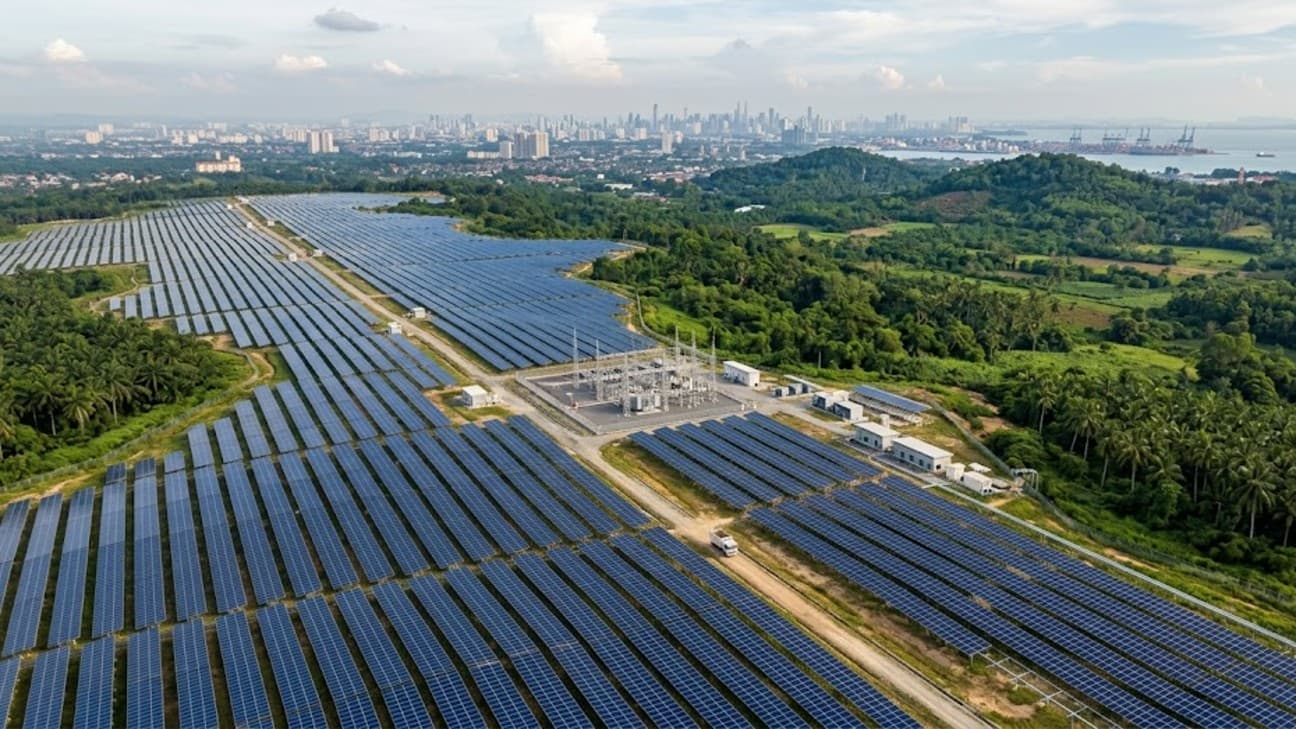
Singapore's 100x100 launches a $100m climate venture-builder fund, Vietnam confronts founders flipping offshore for capital, and Longbridge anchors its region in Singapore
Singapore venture builder 100x100 launched a $100m second fund to build 50 climate companies from scratch across Southeast Asia and India, anchored by the US DFC and Singapore's EDB. In Hanoi, ThinkZone's founder warned that foreign-capital dominance is pushing Vietnamese startups to incorporate offshore, draining tax and IP value the country wants to keep. And brokerage-and-AI fintech Longbridge made Singapore its regional headquarters, the latest trading platform to plant a flag in the city-state.

Malaysia's respond.io raises $62.5m, the US DFC anchors a $3b Indo-Pacific energy platform, and Galaxy Data Center secures $250m for SEA AI campuses
Malaysia-founded respond.io banked a $62.5m Series B led by Camber Partners to push its AI-driven messaging platform into North America and Europe. Washington's development-finance arm committed $1.5b alongside $1.5b from I Squared Capital to build LNG and energy infrastructure across South and Southeast Asia — the DFC's largest single project to date. And Galaxy Data Center raised $250m to fund gigawatt-scale AI campuses anchored on Singapore.
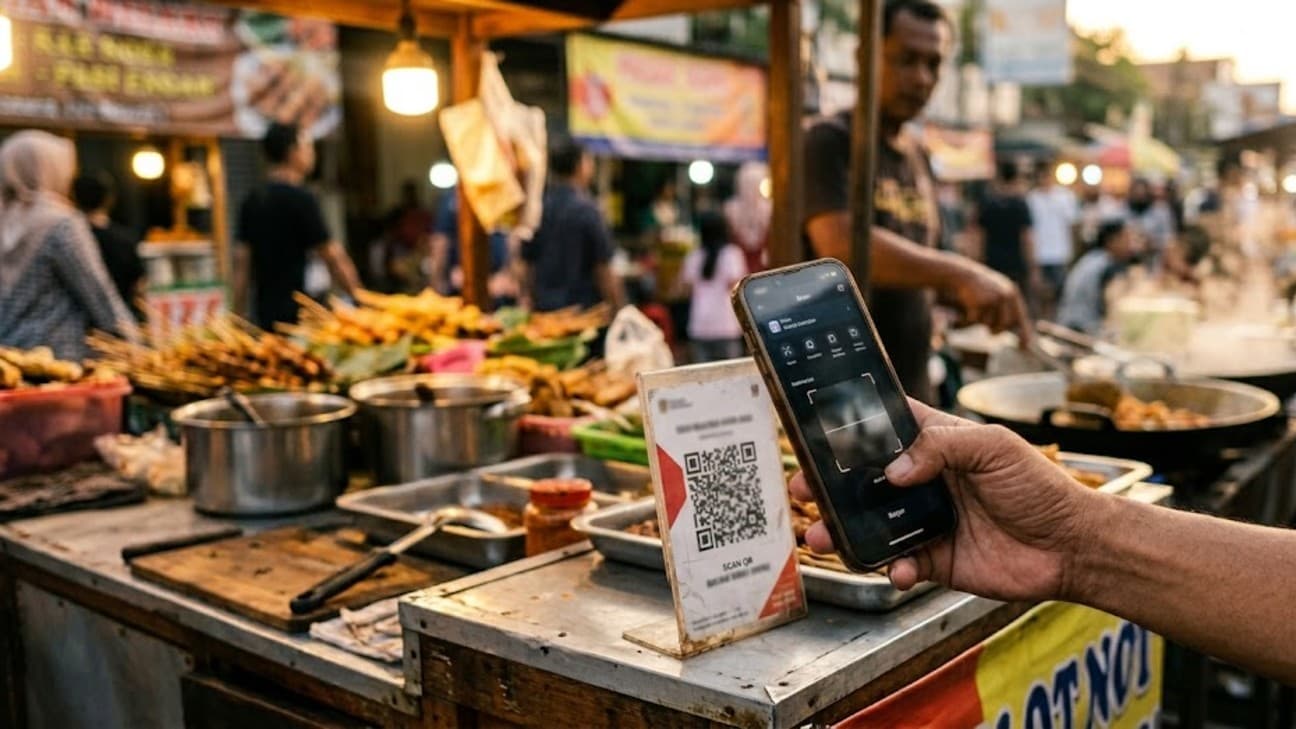
China Wires Its Payment Rail Into Indonesia, Crypto Miners Crack the Fortune SEA 500, and Vietnam's Exchange Pilot Nears the Starting Line
The People's Bank of China and Bank Indonesia switched on full two-way cross-border QR payments this week — China's own rail running into Southeast Asia's largest economy, settled in local currency rather than dollars. Fortune's 2026 Southeast Asia 500 admitted its first crypto companies, both Singapore-based miners, a sign of where durable revenue in the sector actually sits. And Vietnam's licensed-exchange pilot moved closer to a first award, on terms that hand a roughly US$200 billion market to incumbent banks and conglomerates.
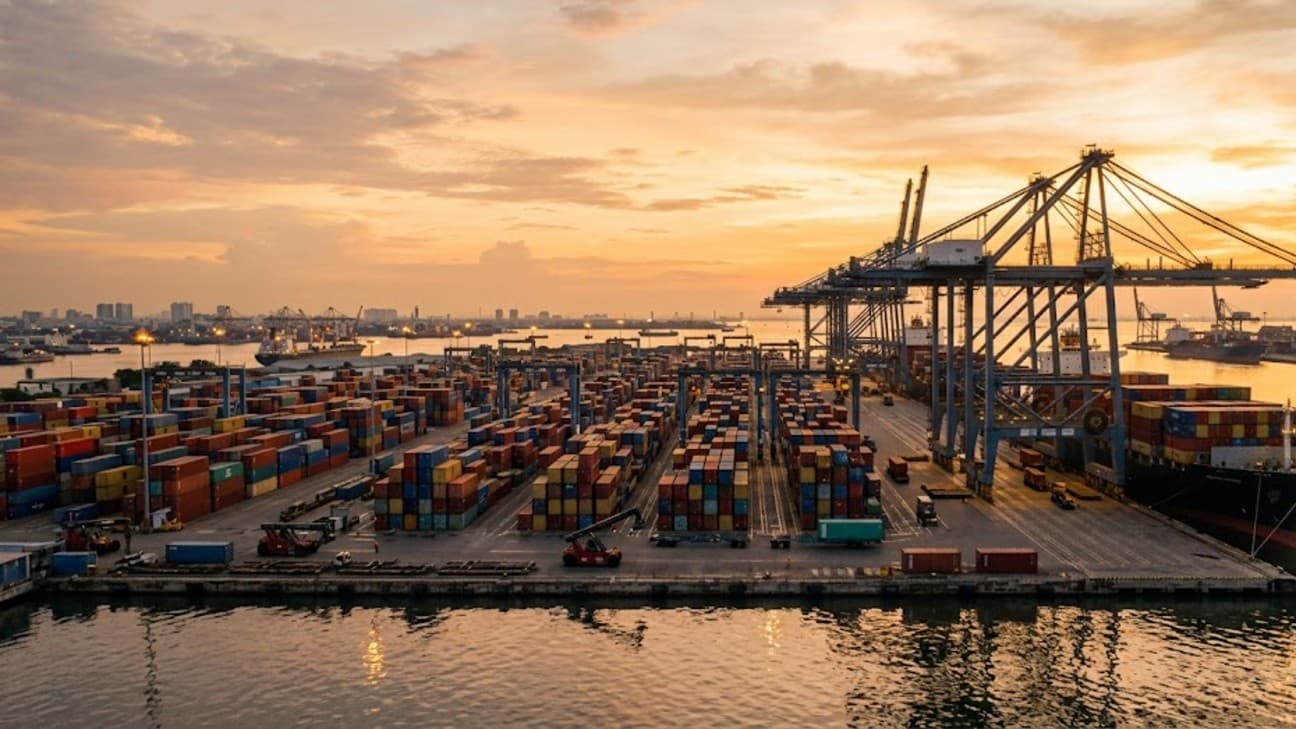
Indonesia's Danantara Raises $1.5b in a 3x-Oversubscribed Debut Dollar Bond, Singapore's Revised Single Family Office Framework Takes Effect, and an Ipsos Poll Finds Eight in Ten Malaysians Say AI Saves Them Time
Indonesia's sovereign wealth fund Danantara priced its inaugural international bond, raising US$1.5 billion across five- and ten-year tranches against a peak orderbook near US$4.6 billion, with US investors taking 52% of the ten-year — a notable shift for an Indonesian credit historically placed into Asian demand. Singapore's revised Single Family Office framework took effect on 15 June, replacing case-by-case licensing exemptions with a structure-agnostic class exemption that requires SFOs to notify MAS, bank with a licensed institution and file an annual AUM return. And an Ipsos poll found eight in ten Malaysians say AI tools have saved them time, even as only about half are confident the technology will benefit the wider job market and economy.
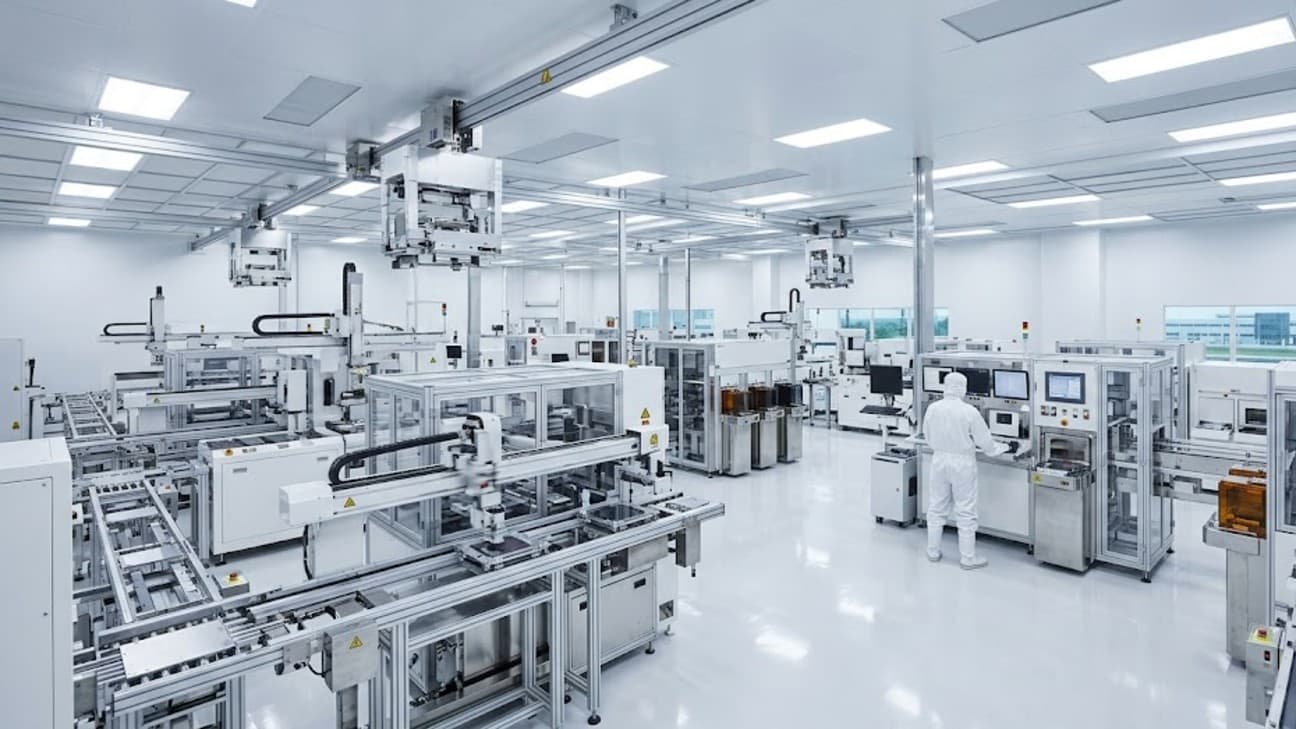
AT&S Commits up to €2b to Expand AI Chip-Substrate Capacity in Malaysia on an AMD Deal, Singapore's Pints AI Raises $5.6m for Auditable AI in Regulated Finance, and Indonesia's Akulaku Eyes a Hong Kong IPO
Austrian advanced-packaging group AT&S signed supply agreements with AMD and a second unnamed technology client and will invest €1.5-2 billion across Malaysia and China, with the main expansion at its Kulim plant; its shares jumped about 28% to a record on the news. Singapore enterprise-AI startup Pints AI raised $5.6 million in a pre-Series A led by Tin Men Capital to deploy auditable, audit-trailed AI inside banks and insurers across MAS and other regulated markets. And Indonesia's Ant-backed Akulaku is weighing a Hong Kong listing to raise over $300 million after a 66% jump in 2025 net profit.
SC and Bursa Launch a Corporate Value-Up Guidebook for Malaysia's Top 88 Listcos, OCBC Wires Singpass Into Cross-Border Account Opening, and Singapore's Arki Finance Wins an MAS Wealth Licence
The Securities Commission Malaysia and Bursa Malaysia launched the MY Value Up Programme Guidebook at Invest Malaysia Kuala Lumpur, giving the 88 largest listed companies — roughly 80% of market capitalisation — a template for forward-looking disclosure ahead of mandatory plan publication in 2027. OCBC Malaysia began accepting Singapore's Singpass digital identity for business account opening, cutting onboarding for Singapore-linked SMEs from about three weeks to five working days as activity builds in the Johor-Singapore Special Economic Zone. And Arki Finance, a Singapore wealth-management startup led by former CSOP and UOB Kay Hian executives, received a Capital Markets Services licence from the MAS ahead of a mass-affluent platform launch.
Bank Negara Maps Nature Risk Across Malaysia's Loan Book, HSBC and Mastercard Run an Agentic B2B Payment in Singapore, and Taiwan's QBit Buys Into a Singapore ASIC Designer
Bank Negara Malaysia, the World Bank and UNDP released a joint report finding that 54% of Malaysian banks' commercial loans are tied to sectors highly dependent on nature, putting biodiversity squarely onto the prudential agenda. HSBC and Mastercard completed a live agentic B2B payment in Singapore, with AI agents executing an end-to-end purchase between a corporate buyer, a procurement platform and a supplier. And Taiwan's QBit Semiconductor took a 60% stake in Singapore-based SinChip Technology, buying a 130-engineer advanced-node ASIC design team to ride demand for custom Edge-AI silicon.

Intel Commits $2.6b More to Its Vietnam Test Hub, Granite Asia Scales a Penang Equipment Plant Toward $100m, and Singapore Sets a 2035 AI-Standards Roadmap
Intel marked 20 years in Vietnam by committing a further $2.6 billion to its Ho Chi Minh City assembly-and-test campus, lifting its total to $4.1 billion and reaffirming the country's place in the back-end of the chip supply chain. Granite Asia opened a Penang production facility for its Galatek Technologies unit, starting at $2 million and pledging to scale to $100 million over five years as Malaysia chases the equipment layer of the semiconductor stack. And Enterprise Singapore launched a Standards and Conformance 2035 roadmap to shape global AI and digital-trade norms before formal regulation arrives.
A Malaysian Fabless Chip Designer Raises $6.9m, Temasek Leads a $300m Physics-AI Round, and Igloo Pushes Life Cover Into Vietnam and Indonesia
Malaysia's GreatAsic raised $6.9 million to move the country up the semiconductor stack from assembly into front-end chip design, with Vertex Ventures Southeast Asia & India leading. In Singapore, Temasek led a $300 million Series C into UK physics-AI firm PhysicsX at a $2.4 billion valuation, extending the state investor's frontier-AI book. And Singapore insurtech Igloo partnered with Chubb Life to distribute life and health cover across Vietnam and Indonesia, two of the region's most under-insured markets.

DBS Tokenises Physical Gold for Retail, Malaysian Pension Capital Builds the AI Estate, and Singtel Bets Sovereign AI Is a Storage Problem
Singapore's largest bank put physical gold on-chain for retail savers this week, the clearest sign yet that tokenisation is graduating from institutional pilots to consumer products. In Malaysia, a property developer pulled the country's two largest pension and military funds into a RM1.25 billion vehicle to build data centres — a reminder that the AI build-out is now a domestic capital-allocation story, not just a foreign-hyperscaler one. And Singtel's sovereign-AI arm reframed the infrastructure race around data throughput rather than raw GPU count.
Bursa's Tech Names Sell Off on AI Valuation Nerves, SuperAI Fills Marina Bay Sands, and OJK Opens a Crypto Sandbox in Jakarta
Malaysia's technology index fell 2.44% on Monday as a Broadcom-led derisking of AI stocks rippled into Asia and pushed the ringgit past 4.00 to the dollar. In Singapore, a sold-out SuperAI 2026 anchors a week-long AI calendar that has drawn frontier labs and sovereign capital to Marina Bay Sands. And in Jakarta, OJK used the CFX Crypto Conference to detail a regulatory sandbox for digital financial assets, signalling a function-based supervisory posture as Indonesia's crypto rails mature.

Alibaba Cloud opens its second Malaysia region with two new Johor data centres, Singapore tops the 2026 Crypto-Friendly Cities Index ahead of three other SEA hubs, and MYEG's Philippine venture wires government agencies onto a single digital-payments rail
Alibaba Cloud launched a second Malaysian cloud region in Johor — two new data centres that take its in-country footprint to five and its SEA presence to the region's largest — pitched at lower-cost AI for local SMEs. Singapore was ranked the world's most crypto-friendly city in Multipolitan's 2026 index, with Bangkok, Kuala Lumpur and four other Asia-Pacific cities filling the global top 10. In Manila, MYEG's Philippine joint venture signed a cluster of agreements routing payments for the treasury, the professions regulator, the ports authority and the fisheries bureau through one collection platform.

Digital Realty enters Malaysia with a 32MW Cyberjaya campus pitched at AI inference, GIC leads Supabase's $500m round at a $10.5b valuation, and Singapore captures four-fifths of Southeast Asia's $1.1b climate-tech funding
US data-centre operator Digital Realty launched its Malaysian operations on June 8 with a three-site, 32MW campus in Cyberjaya, explicitly positioning for AI inference and enterprise interconnection rather than the hyperscaler gigawatt race. Singapore's GIC led a $500 million Series F into open-source database platform Supabase at a $10.5 billion valuation, extending the city-state's sovereign AI-infrastructure thesis up the stack into developer tooling. And Tracxn data showed Singapore captured $872 million — roughly 79% — of the $1.1 billion in climate-tech funding raised across Southeast Asia, underscoring how regional capital concentrates in one hub even when deployment is pan-regional.

Vietnam's securities regulator frames crypto and tokenized assets as a digital-economy pillar, Indonesia's OJK-licensed Floq raises US$11.3m, and Green GSM lands a 2bn-peso PNB facility to bank its EV-driver fleet
Vietnam's State Securities Commission publicly anchored crypto and real-world-asset tokenization to the national digital-economy agenda as it builds out its pilot-platform framework. In Indonesia, OJK-licensed digital-asset platform Floq raised US$11.3m with 1.8 million users, while in the Philippines a 2bn-peso PNB credit line wired bank payment rails into Green GSM's electric ride-hailing fleet.
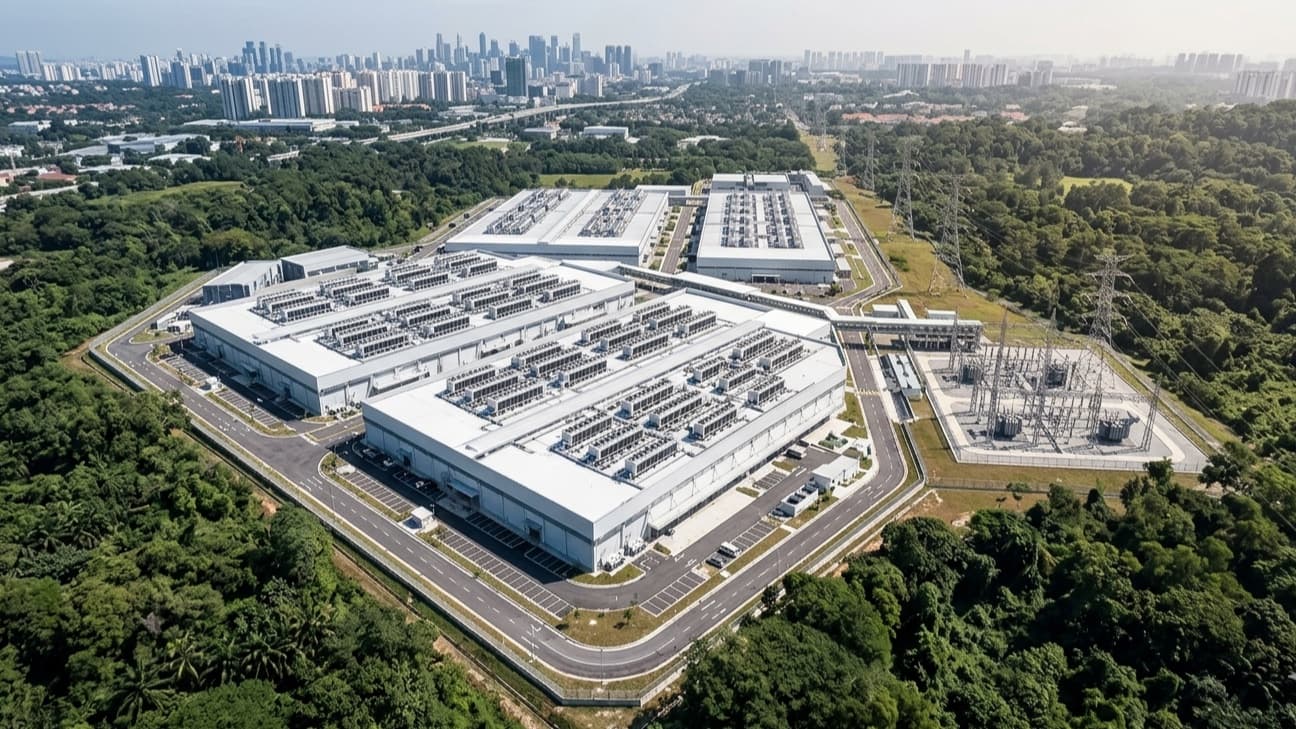
DayOne closes a US$4.5bn data-centre round with Indonesia's sovereign fund inside, Malaysia doubles its expat salary floor against a semiconductor talent gap, and Indonesia's OJK flags fraud as payments scale past 14.8bn transactions
Singapore-based DayOne Data Centers closed a US$4.5 billion Series C — the largest disclosed equity round in the region's AI-infrastructure build-out — with the Indonesia Investment Authority joining as a new backer and proceeds earmarked for an eight-market expansion. From June 1, Malaysia doubled the minimum salary for its top-tier Employment Pass to RM20,000, tightening expatriate hiring just as the semiconductor industry warns of a tenfold engineer shortfall. And Indonesia's OJK called for stronger fraud defences as the country logged 14.82 billion digital-payment transactions in Q1 2026, up 37.69% year on year.
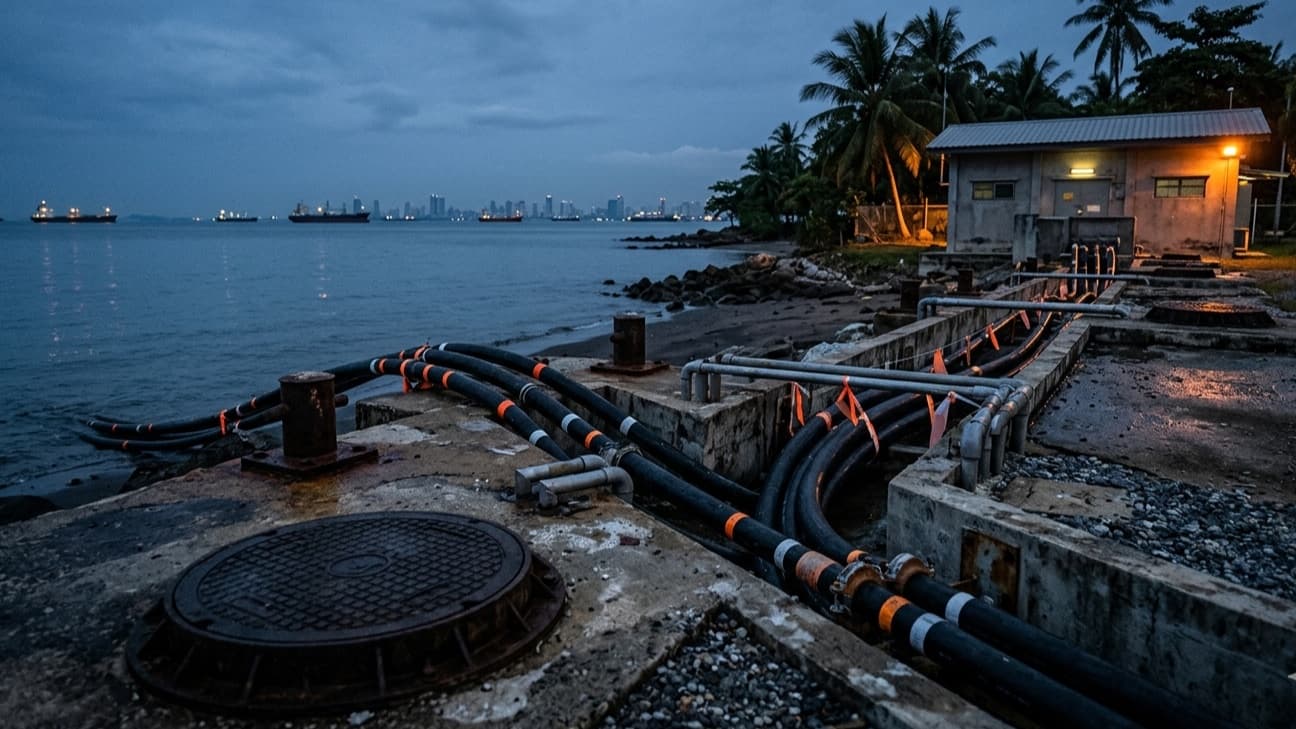
Singapore launches a 17-nation subsea-cable defence pact without the US or China, FPT signs six AI deals with major Thai and Singaporean groups, and CATL inks a Malaysian battery-storage MoU as AI's power bill bites
Singapore used the Shangri-La Dialogue to launch GUIDE, a 17-nation framework to protect the undersea cables that carry Southeast Asia's digital-finance and cloud traffic — notably without the United States or China. Vietnam's FPT signed six AI and digital-transformation partnerships with leading Thai and Singaporean corporates during President To Lam's Singapore visit, positioning itself as a regional AI-integration contractor. And in Kuala Lumpur, battery giant CATL signed an energy-storage MoU with Malaysia's Leaders Energy as ENERtec Asia put the power demands of AI data centres at the centre of the agenda.

CIMB and China Merchants Bank build a China-ASEAN banking bridge, TikTok commits nearly $5B to Vietnam with a local entity, and Hanoi asks Bybit to help design its crypto market
CIMB signed a letter of intent with China Merchants Bank to scale cross-border trade, payments and financing across the China-Malaysia-ASEAN corridor, positioning Malaysia's second-largest bank as a settlement bridge for China-ASEAN flows. TikTok confirmed it has invested nearly US$5 billion in Vietnam over seven years and will set up a domestic legal entity to localise data and operations. And Vietnam's Deputy Prime Minister asked Bybit's CEO to help build the legal, supervisory and technical scaffolding for the country's pilot crypto market, due to launch in Q3 2026.
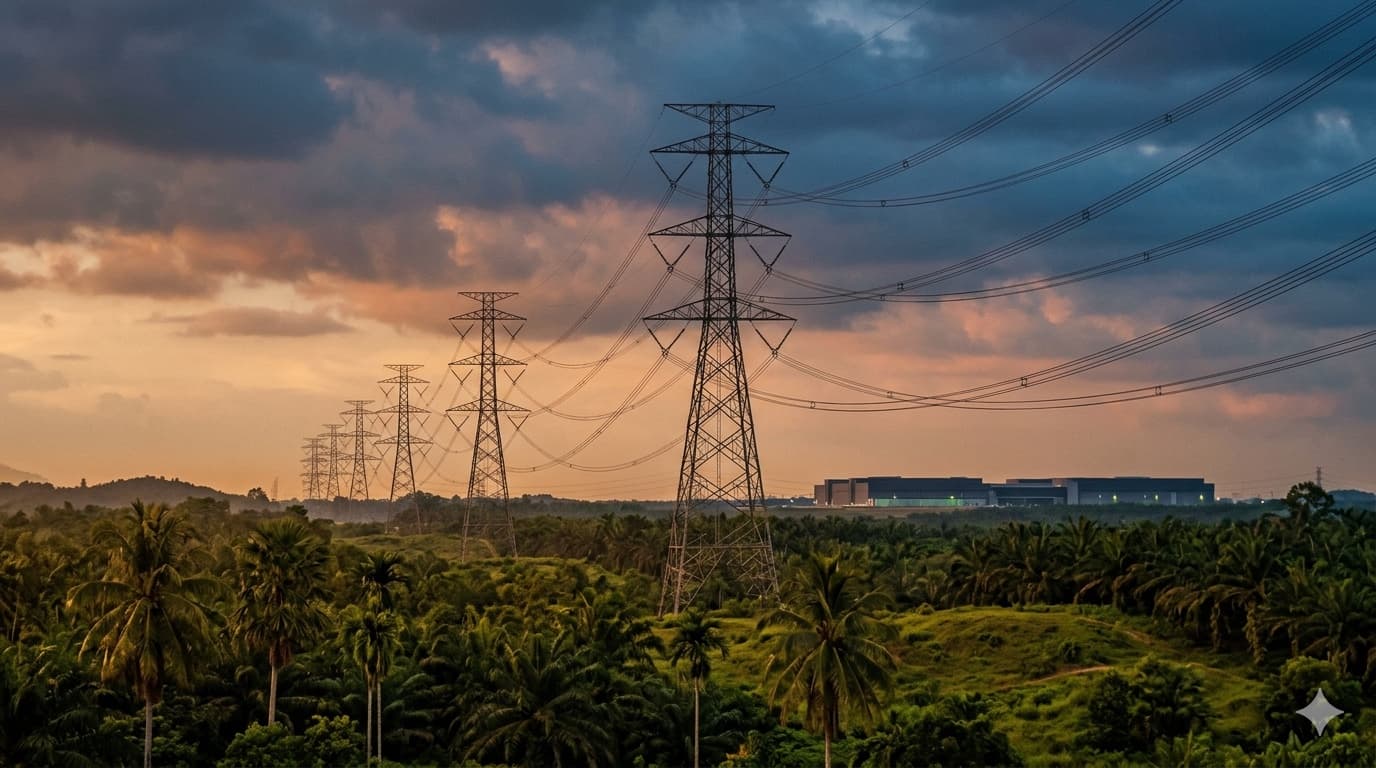
The Grid Becomes the Binding Constraint on Southeast Asia's AI Build-Out, Malaysia Resets Its Digital-Asset Market, and Sovereign Capital Backs Homegrown Silicon
While the headlines this week tracked gigawatt-scale data-centre deals, the harder story is that power — not capital or land — is now the variable that decides which of Southeast Asia's AI projects actually get built. Malaysia sits at the centre of the squeeze, with a voltage-based tariff overhaul, a non-AI data-centre pause and Chinese firms stepping in to finance the grid. The same week, the Securities Commission Malaysia's revised digital-asset framework took effect and a wave of sovereign-anchored capital pushed homegrown chip designer SkyeChip onto Bursa, signalling where Malaysia is placing its industrial bets.
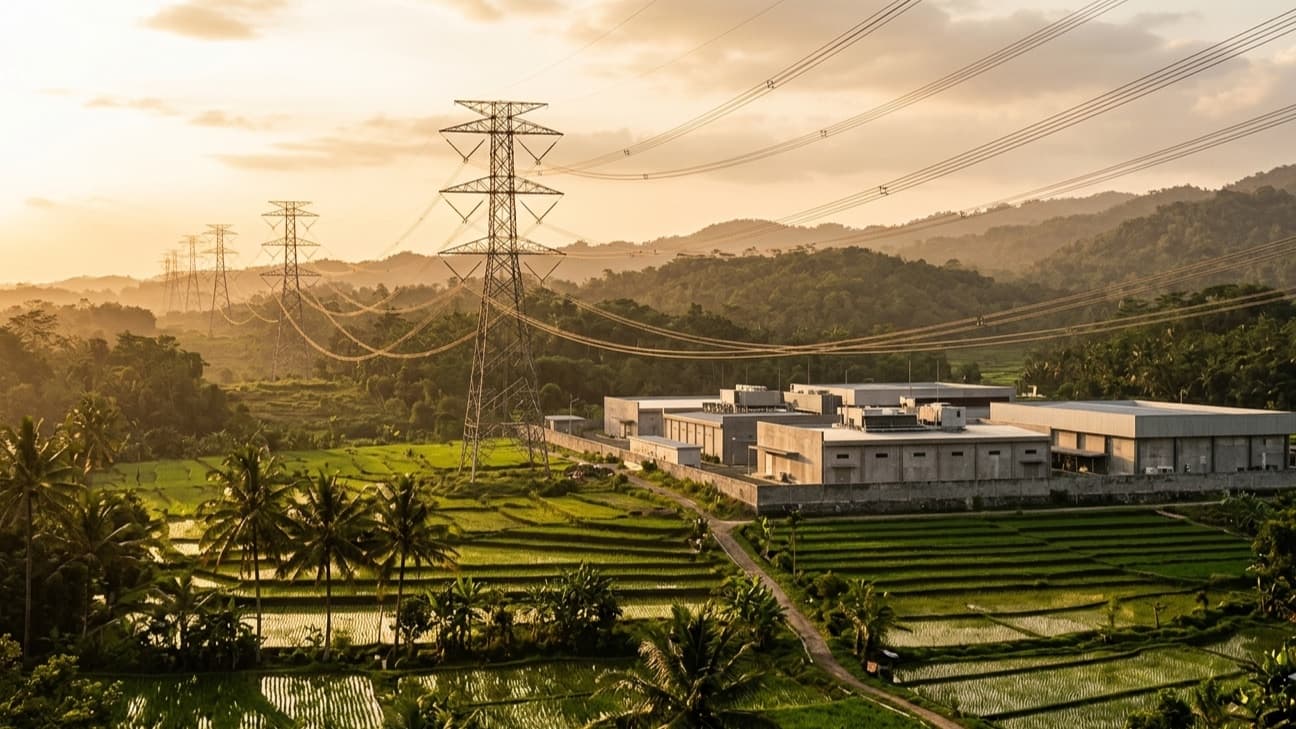
BDx locks in Indonesia's largest data-centre power commitment at 1.2 GW, Nvidia adds Vietnam to its sovereign-AI roster with FPT and Viettel, and Carsome's Q1 EBITDA jumps 85%
Singapore-based BDx Data Centers signed agreements with Indonesia's state utility PLN for 1.2 GW of power — the single largest power commitment by any data-centre operator in the country — anchoring a build-out led by an Nvidia DGX-ready AI campus. Nvidia formally brought Vietnam into its sovereign-AI program, releasing a population-scale Nemotron dataset built with FPT while Viettel fine-tunes a Vietnamese legal model. And Malaysia's Carsome posted an 85% year-on-year EBITDA jump to RM29 million on record per-unit economics, evidence that the region's largest used-car platform is compounding profitability.
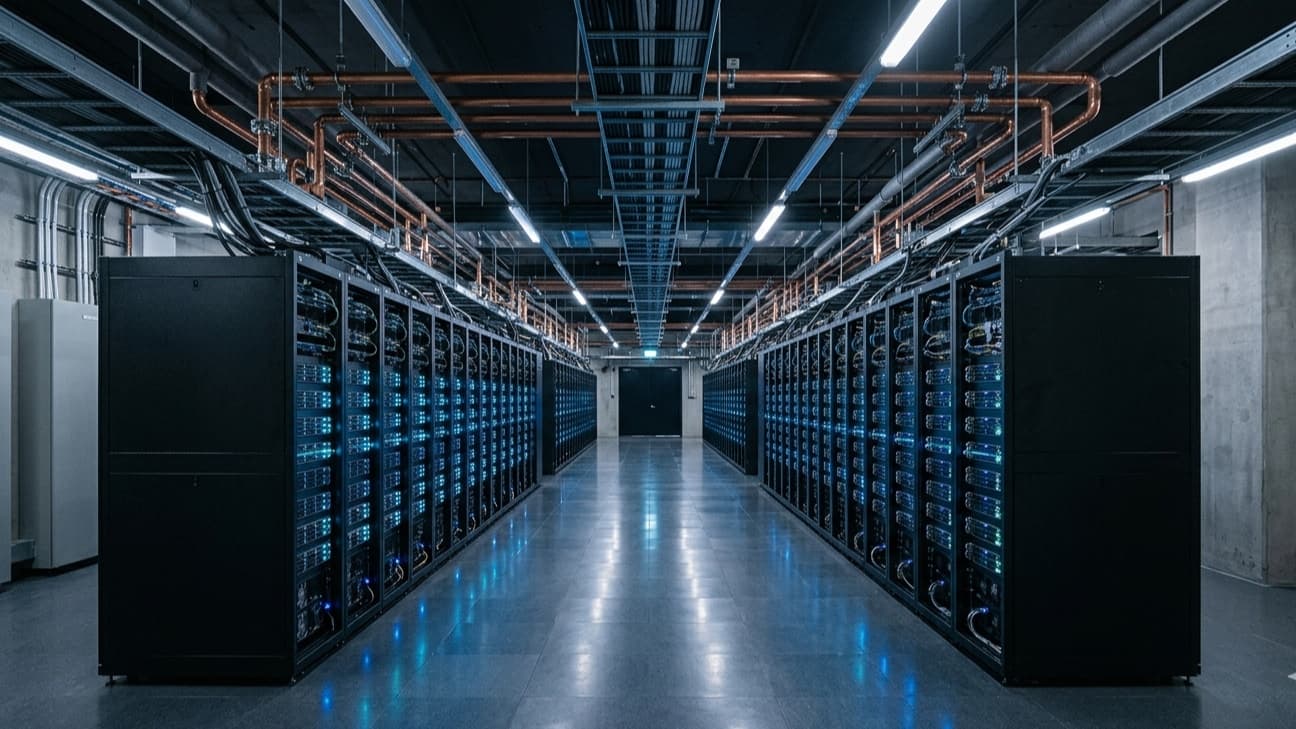
Singapore's GIC and Temasek co-anchor Anthropic's $65B raise, a Singapore developer lands $283M of green debt for a Johor AI data centre, and KBank teams with Ant International on Thailand's cross-border rails
GIC co-led and Temasek joined Anthropic's US$65 billion Series H at a US$965 billion post-money valuation, putting Singapore's sovereign funds at the centre of frontier-AI financing. Singapore-based developer DDSP closed US$283 million in green financing — arranged by CTBC Bank, MUFG and Standard Chartered — for a 45MW liquid-cooled AI data centre in Johor's Sedenak Tech Park. And in Thailand, KBank signed an MOU with Ant International to build 24/7 cross-border USD payment and liquidity rails on J.P. Morgan's Kinexys blockchain.
Vietnam moves to let SMEs pledge digital assets for bank loans, Google Cloud opens a Southeast Asia–Silicon Valley AI startup corridor, and Singapore anchors Asia's stablecoin surge
Vietnam's Ministry of Finance has drafted an amendment that would let small and medium enterprises pledge digital assets, virtual assets and intellectual property as bank loan collateral, with public consultation closing on May 29. Google Cloud opened an equity-free Southeast Asia–to–Silicon Valley AI accelerator, taking 25 startups from six ASEAN markets with up to US$350,000 in credits each. And a CoinDesk Indices analysis puts Asia's 2025 stablecoin transaction volume at US$12.5 trillion, up 67 percent, with Singapore the region's standout adoption and regulatory hub.

Singapore captured 99 percent of the region's AI infrastructure funding, Microsoft's Indonesia Azure region turns one, AI takes a third of Singapore's shrinking venture pool
New Tracxn data shows Southeast Asia attracted US$1.2 billion in AI infrastructure funding from 2019 to 2026, with Singapore capturing roughly 99 percent of it, Malaysia just US$1.5 million, and Indonesia and Thailand nothing disclosed. Microsoft's Indonesia Central Azure region marked its first anniversary on May 29, underscoring that physical AI compute is localising even as capital concentrates elsewhere. Separately, DealStreetAsia data shows AI absorbed nearly a third of Singapore's 2025 venture funding even as the country's total venture pool fell 34 percent year-on-year.
MAS chief warns AI growth could narrow, Bank Indonesia tightens FX threshold to defend rupiah, Singapore halves private-banking onboarding time
MAS Managing Director Chia Der Jiun used the UBS Asian Investment Conference Singapore Wealth Edition to flag concentration risk in the AI investment boom and commit MAS to accelerated financial-workforce upskilling. Bank Indonesia, fresh off a 50bp rate hike to 5.25 percent and a record-low rupiah near 17,706 per dollar, lowered the documentation threshold for foreign currency purchases from US$50,000 to US$25,000 effective June. At the same UBS forum, MAS announced an industry-wide compression of private-banking account opening to within one month, down from six weeks and longer for complex cases.
Anwar tells SC Malaysia forum to embrace digital risk, MAS and Thai SEC close two parallel crypto consultations
Prime Minister Anwar Ibrahim used the Malaysia MADANI Scholars Forum at Securities Commission Malaysia to argue that calculated GLC losses in AI and digital ventures are acceptable if governance is intact, framing a more aggressive Malaysian capital-flows posture. The Monetary Authority of Singapore's consultation on bank prudential treatment of cryptoassets on permissionless blockchains closed on May 18, and ISDA's May 20 response pushed back on the proposed exposure caps. The Thailand SEC closed a separate consultation on May 20 that would let existing digital asset operators apply for derivatives licences without spinning up new entities.
AirAsia MOVE and Solana Sign Tenge Stablecoin LOI in Kazakhstan, Prabowo Centralises Coal and Palm Oil Exports Through Danantara, SEABW 2026 Closes With Institutional Pivot
Capital A's travel platform AirAsia MOVE signed a letter of intent with the Solana Foundation and Kazakhstan's Intebix to pilot the Evo (KZTE) tenge-backed stablecoin across its 17 million monthly users — the first time a Malaysian-listed group has anchored a regulated foreign-currency stablecoin to its consumer rail. President Prabowo Subianto announced a new state export entity, PT Danantara Sumberdaya Indonesia, that will route all coal, palm oil and iron-alloy export flows through Indonesia's sovereign wealth fund from September 1. Southeast Asia Blockchain Week 2026 closed in Bangkok with Thai and Indonesian regulators sharing the stage with Circle, Tether, Ripple and the Solana Foundation, marking the region's shift from Web3 experimentation to institutional adoption.
Franklin Templeton's BENJI lands on MAS-licensed DigiFT, Malaysia's AI banking skills gap, and ATxE 2026's enterprise pivot
Franklin Templeton brought its tokenized US Treasury platform to Asia through Singapore-regulated DigiFT, opening institutional rails for accredited investors. Malaysia's chartered banker body credentialed more than 700 professionals as new survey data showed AI capability is outpacing workforce readiness. Asia Tech x Enterprise 2026 logged 120,000 business interactions in Singapore, signalling the region's shift from AI experimentation to enterprise deployment.

Malaysia's CTOS IDGuard Flags RM1.08b in Credit Fraud, Indonesia's INA Tilts to Data Centres, Binance Routes Philippine Re-entry Through SEC StratBox
CTOS IDGuard, Malaysia's bank-shared fraud bureau, says it has flagged RM1.08 billion of potential credit application fraud across 18 million screenings since 2020 — RM276 million in the past twelve months — as the BSP-style June 2026 fraud-management deadline approaches across the region. Indonesia's sovereign wealth fund INA disclosed that roughly 30 percent of its US$4.2 billion deployed capital has gone into digital infrastructure, with chief investment officer Christopher Ganis singling out data centres as a core sector. In the Philippines, Binance has re-entered the market through a partnership with locally registered BlockShoals Technologies under the SEC's Strategic Sandbox.
OpenAI commits S$300M to its first overseas Applied AI Lab in Singapore, Google signs a National AI Partnership with MDDI, SC and Bursa Malaysia open LEAP Market 2.0 consultation
OpenAI signed an MOU with Singapore's Ministry of Digital Development and Information on May 20 to commit S$300 million (US$234 million) and 200-plus technical roles to its first applied AI lab outside the United States. The same day, Google signed a National AI Partnership with MDDI covering health, education and an AI Agents Sandbox whitepaper jointly authored with the Cyber Security Agency, GovTech Singapore and IMDA. In Kuala Lumpur on May 18, the Securities Commission and Bursa Malaysia opened a public consultation on LEAP Market 2.0 enhancements that would give retail investors access to LEAP for the first time and create an alternative equity-crowdfunding listing route.
SC Malaysia Lands Revised DAX Guidelines, Thailand SEC Targets Q3 Spot BTC and ETH ETFs at SEABW, Coins.ph Pushes BTC and ETH onto 700,000 QRPh Merchants
The Securities Commission Malaysia's revised Recognised Markets guidelines for digital asset exchanges took effect on May 20, streamlining product approvals while raising governance, client-asset and dispute-resolution standards. At Southeast Asia Blockchain Week in Bangkok the same day, Thai SEC director Butree Vangsirirungruang said the first single-asset spot Bitcoin and Ether ETFs could launch in Q3 2026. Coins.ph extended its QRPh integration to Bitcoin and Ethereum across roughly 700,000 BSP-standard merchants in the Philippines.
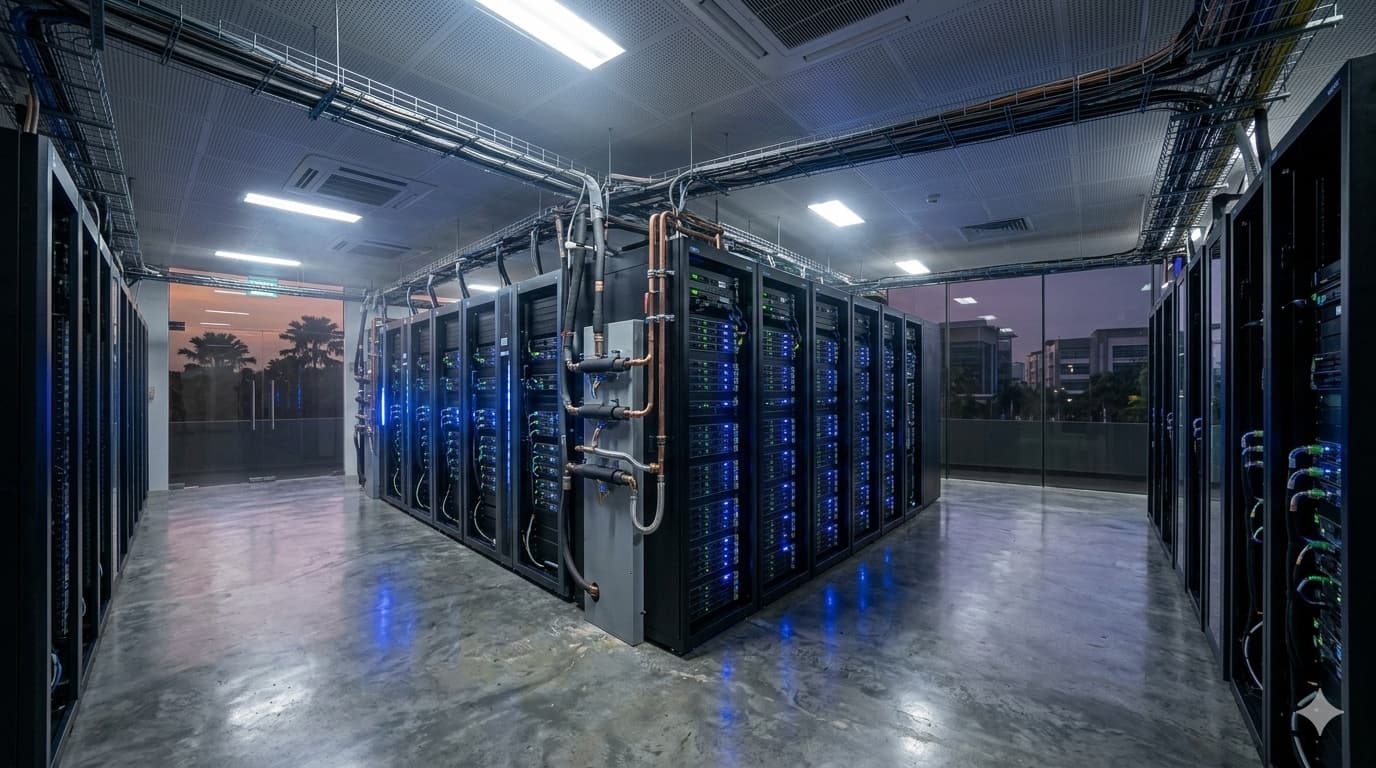
Equinix Commits US$190 Million to Cyberjaya KL2, Vietnam Targets Q3 2026 Crypto Market Launch, Thailand SEC Closes Spot Crypto ETF Consultation
Equinix disclosed a US$190 million build of its KL2 facility in Cyberjaya on May 12, the same day TECO Electric & Machinery approved an RM200 million acquisition of Malaysian engineering firm Dynaciate, in a week dominated by AI data centre capital flowing into Malaysia. Vietnamese Deputy Finance Minister Nguyen Duc Chi told the Digital Trust in Finance 2026 forum on May 12 that the country's regulated crypto asset market could see its first official activity in Q3 2026. Thailand's Securities and Exchange Commission closed its public consultation on spot crypto ETF rules on May 11, with the first products framed around Bitcoin and Ethereum.
Bithumb Enters Vietnam Through SSI Digital Partnership, Asia's Bank-Anchored Stablecoin Model Hardens, Alibaba-Linked Firm Backs RM4.36 Billion AGI Data Centre in Melaka
South Korea-based crypto exchange Bithumb publicly disclosed on May 7 a memorandum of understanding with SSI Digital, the digital-asset arm of Vietnam's largest broker SSI, to build a virtual asset exchange under Vietnam's five-year pilot. The week also saw the bank-anchored stablecoin model hardening across the region — HKMA Chief Executive Eddie Yue confirmed on May 5 that only two of roughly 36 issuer applications cleared the first round, and a May 6 Insignia Business Review analysis read this as convergence with MAS, the Bank of Thailand, and others. A Bursa Malaysia disclosure from DPS Resources, detailing an MOU with Alibaba affiliate Hangzhou Xinfengwei for a 150–180 MW AGI data centre in Melaka — indicative project value approximately US$1.1 billion (RM4.36 billion) — drew its first wave of broader coverage this week.
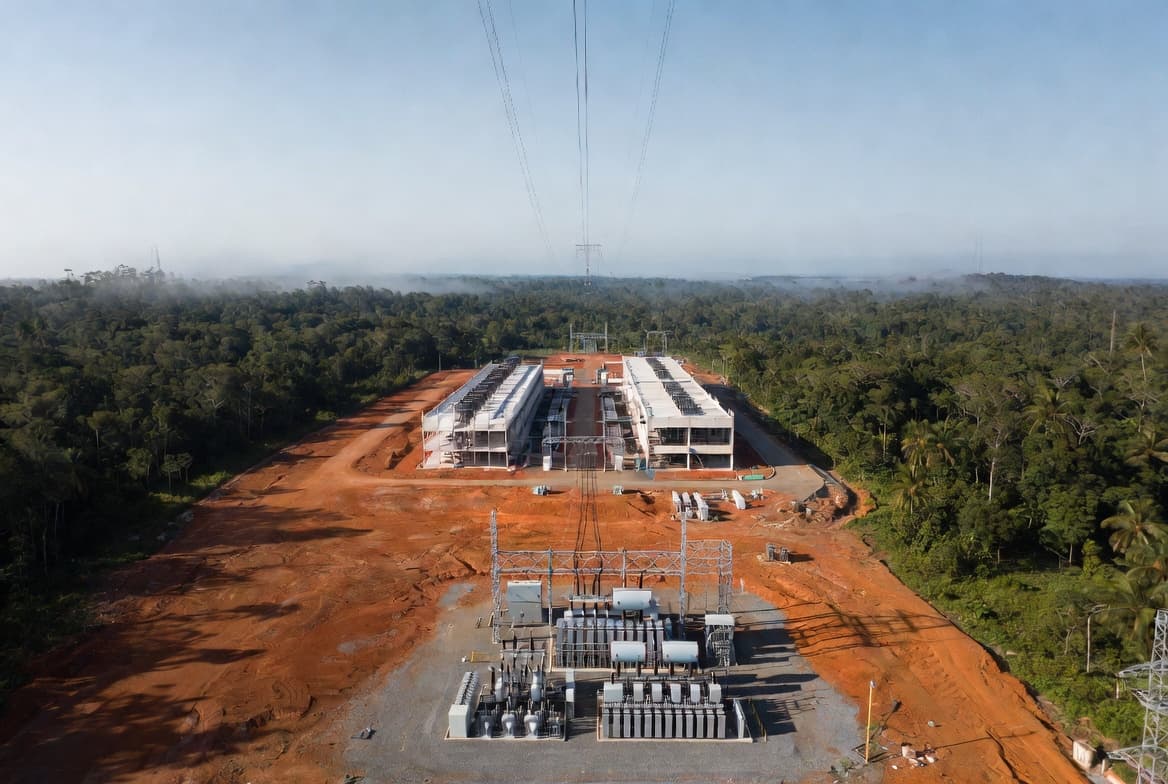
Malaysia Cast as Data Centre Safe Haven, MAS Proposes Workable Crypto Capital Rules for Banks, KuCoin and Lightnet Eye Southeast Asia Stablecoin Rails
Two April 28 datapoints reframed Malaysia's role in regional AI infrastructure: RHB Investment Bank labelled the country a data-centre 'safe haven' as Middle East capital rotates into Southeast Asia, and Mobile-health Network Solutions disclosed a US$126 million capital injection to build a phased 60 MW AI campus in Sarawak. Detailed industry analysis of Singapore's MAS Consultation Paper P009-2026 — which would let banks treat qualifying permissionless-blockchain assets at preferential Group 1 capital weights — surfaced this week as the May 18 comment deadline approaches. KuCoin and Lightnet announced a non-binding exploration to build digital asset and cross-border payment infrastructure across Southeast Asia.

Cape Town to Kuala Lumpur: Why Luno's Fight in South Africa Is a Stress Test for Malaysia's DAX Framework
On 17 April 2026, South Africa's National Treasury and the Reserve Bank jointly published draft regulations that would pull crypto under exchange-control law for the first time. Luno — one of the three exchanges originally licensed by Malaysia's Securities Commission in 2019 — is leading the public opposition. What is being decided in Cape Town over the next three weeks is also a working argument about how Southeast Asia's regulators should treat their own licensed digital asset operators next.

OCBC Tokenizes Gold On-Chain, Thailand Opens Crypto Derivatives Consultation, Philippines Plugs Stablecoins Into National QR Network
OCBC, Lion Global Investors, and DigiFT launched Southeast Asia's first tokenized physical gold fund on a public blockchain, backed by S$669.4 million in assets under management, as a Bitget–Block Scholes report found the region driving 81.9% of RWA trade volume. Thailand's SEC opened a public consultation on letting crypto firms add derivatives licenses within existing entities, with feedback due May 20. Coins.ph connected USDT and USDC to the Philippines' national QRPh standard, putting stablecoin settlement within reach of 700,000 merchant terminals.

Vietnam's Crypto Pilot Gets a Bank-Backed Bid, Thailand Opens ETF Rules, and Singapore Builds Its AI Workforce
CAEX secured fresh backing from OKX Ventures and HashKey as Vietnam's pilot market takes shape, Thailand's SEC formally opened consultation on crypto ETFs on April 10, and Singapore used the SCS AI Conference to expand its AI talent pipeline. Here's the verified signal for the week of April 10-16, 2026.
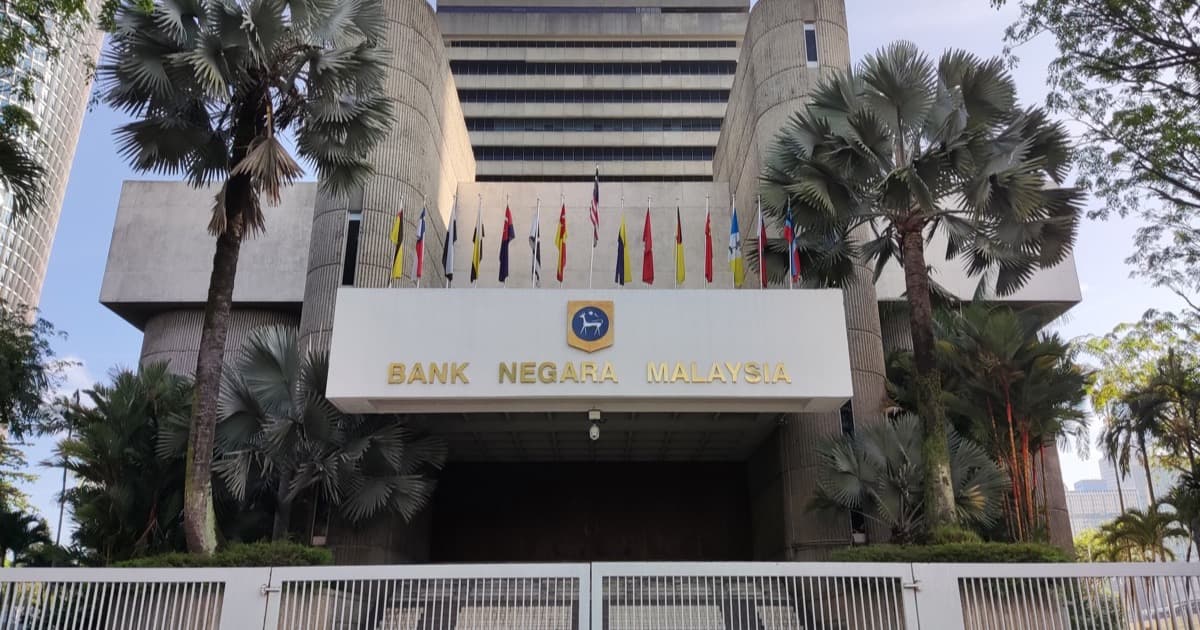
The $285 Million Test: How Singapore and Malaysia Are Hardening Crypto Defenses
On April 1, 2026, attackers stole $285 million from Drift Protocol in twelve minutes. The money is already moving. The case is now testing whether Singapore and Malaysia's upgraded regulatory architecture can make Southeast Asia a harder place to launder large-scale crypto theft.
Forest City: From $100 Billion Ghost Town to Special Financial Zone
Built as a $100 billion Chinese dream on reclaimed sand, Forest City spent years as Southeast Asia's most embarrassing real estate failure. Now Malaysia's King and Prime Minister are betting that zero-tax incentives and a new Special Financial Zone designation can turn a ghost city into a rival to Singapore's family office ecosystem.
The AI Leapfrog: How Southeast Asia Will Skip the Cloud Era
Much like mobile technology allowed Southeast Asia to bypass the desktop internet era, a new leapfrog is underway — this time in artificial intelligence. We examine why SEA is uniquely positioned to adopt AI-native applications at a speed that will surprise the West.
The Johor-Singapore SEZ: Asia's Most Ambitious Cross-Border Experiment
Signed in January 2025, the Johor-Singapore Special Economic Zone is the most significant bilateral economic agreement between Malaysia and Singapore in decades. Spanning 3,500 square kilometers and targeting eleven sectors, it is already reshaping investment flows, triggering a data-center supercycle, and redefining what a cross-border economic zone can be.
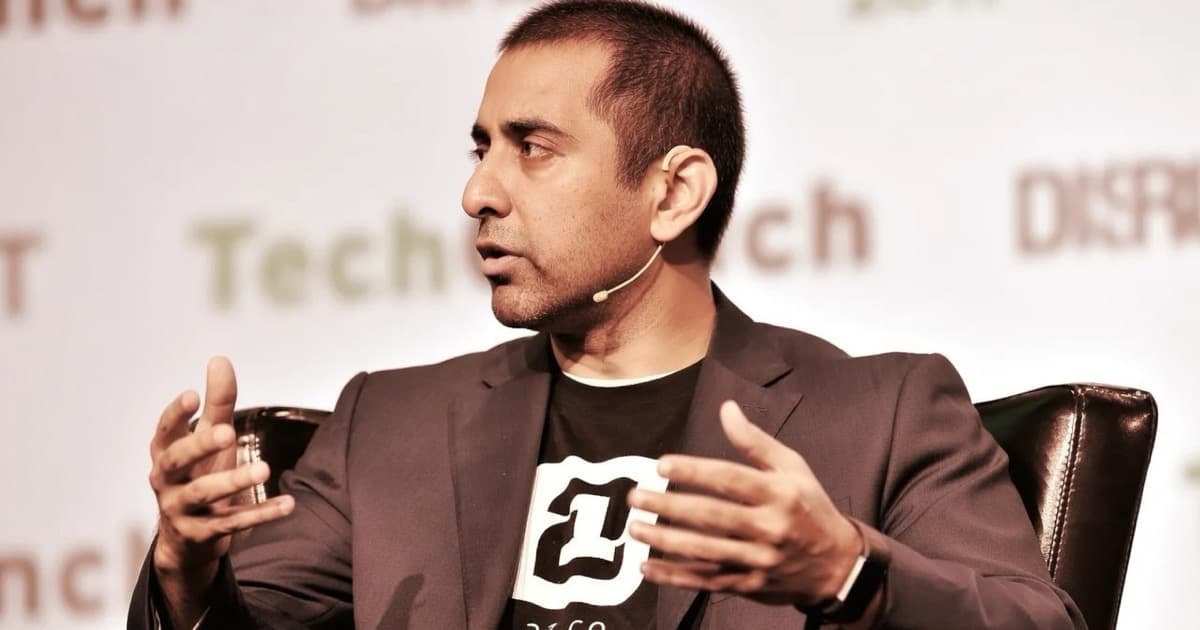
Balaji's Bet: Building a Nation State at the Edge of Singapore
In 2022, Balaji Srinivasan published a book describing how to start a new country using cryptocurrency and digital coordination. In 2024, he bought an island two kilometers from Singapore and started building one. The Network School at Forest City is either the most interesting social experiment in Southeast Asia or an elaborate thought experiment made physical — and the distinction may matter less than you think.

DeFi's Real Stronghold: Why ASEAN Will Lead the Next Crypto Cycle
Decentralised finance is not primarily a story about financial innovation for its own sake — it is a story about access. Nowhere is access more scarce, and therefore more valuable, than in Southeast Asia. We make the case that ASEAN will be the defining geography of the next DeFi cycle.

Tokenizing Southeast Asia: From Rice Paddies to Real-World Assets
Real-world asset tokenization is generating enormous excitement globally, but the analysis is almost entirely Western-centric. Southeast Asia's unique asset mix — agricultural land, informal real estate, infrastructure projects, and natural resources — creates a tokenization opportunity that is both larger and structurally distinct from that of developed markets.