SC Malaysia's Revised DAX Guidelines Take Effect, Trading Volume on Regulated Exchanges Up 23 Percent
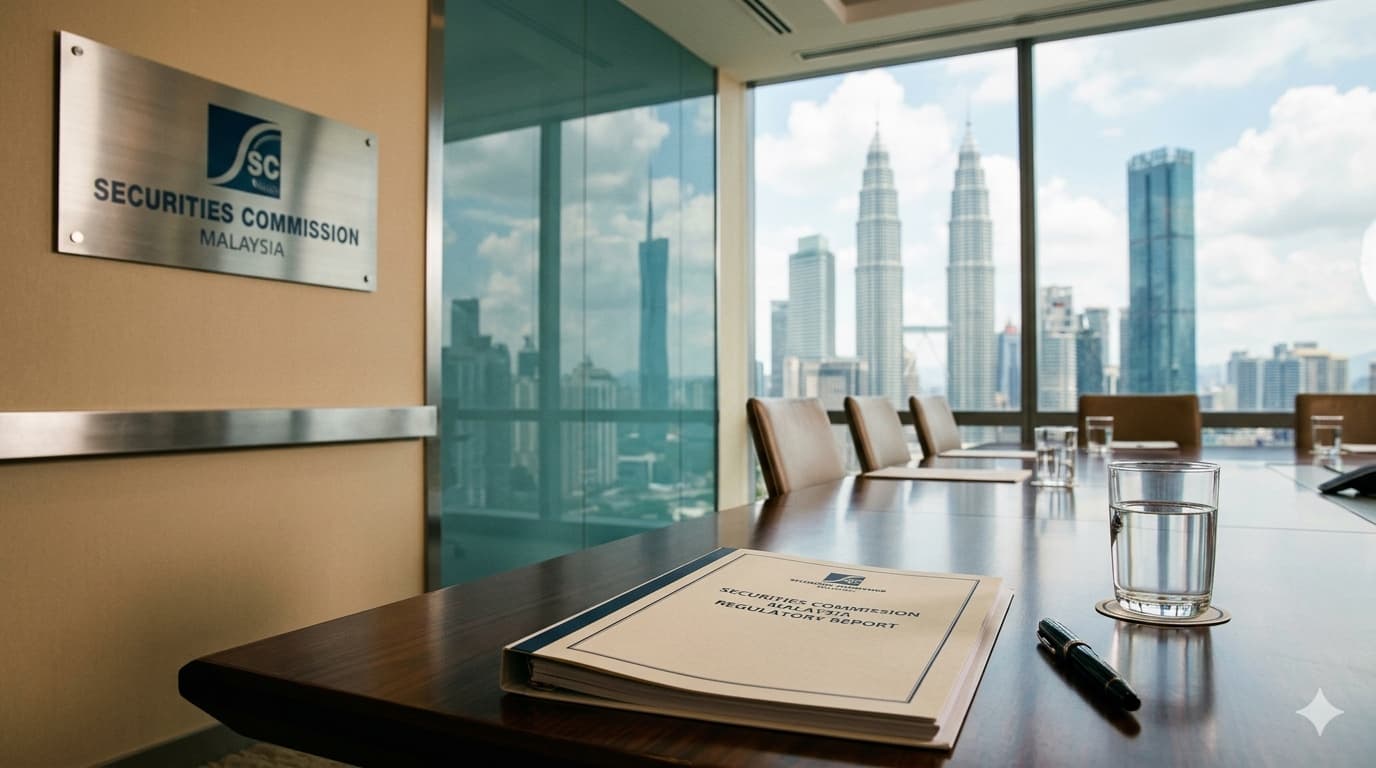
The Securities Commission Malaysia issued the revised Guidelines on Recognised Markets for Digital Asset Exchanges on May 20. The amendments take effect immediately and are the most substantive update to Malaysia's DAX regime since the original Recognised Markets framework was introduced. The revisions follow a benchmarking exercise, stakeholder engagement, and a public consultation conducted in 2025.
The core change is operational: the approval process for new products on regulated DAX platforms is being streamlined, allowing licensed operators to launch additional assets without the case-by-case concurrence that previously gated each listing. In exchange, the SC has raised the floor on financial stability, shareholding, and management competency requirements, strengthened client asset safeguards, and required DAX operators to join the Financial Markets Ombudsman Service in 2026 as members, giving retail investors a formal dispute resolution channel.
The SC framed the revisions against a market that grew materially in 2025. Total trading value on regulated DAXs rose 23 percent year-on-year to RM17.14 billion (from RM13.93 billion in 2024). Enforcement against unregulated activity is also being tightened: four DAXs have already faced administrative action for operating without registration, and from April 14, 2026 the SC has been working with Google to limit the ability of unregistered DAXs to promote their services to Malaysians via social media. The package supports the Capital Market Masterplan 2026–2030 target of growing Malaysia's capital market to RM5.8–6.3 trillion by 2030.
Thai SEC Director Targets Q3 2026 for First Single-Asset Spot Bitcoin and Ether ETFs at SEABW
At Southeast Asia Blockchain Week 2026 in Bangkok on May 20, Butree Vangsirirungruang, a director at Thailand's Securities and Exchange Commission, said the first single-asset spot crypto ETFs tied to Bitcoin and Ether could launch in the third quarter of 2026. The keynote framed digital assets as one of the regulator's core strategic priorities for the next three years and committed the SEC to building out a broader regulated market across stablecoins, security tokens and ETFs.
The Q3 reference is the first explicit time horizon from the SEC since it closed its public consultation on the spot crypto ETF rules on May 11. That consultation specified BTC and ETH as the initial eligible assets, with units traded exclusively on the Stock Exchange of Thailand and holdings custodied with SEC-regulated digital asset custodians. The director also said the SEC will tighten KYC and AML controls, deploy AI-supported market surveillance, and expand enforcement against unauthorised offshore platforms serving Thai residents.
SEABW itself ran May 18–24 with the main conference on May 20–21 at ICONSIAM, drawing senior figures from SCBX, Bitkub, Circle, Tether and Ascend Bit (the digital asset arm of CP Group), alongside Thai and Indonesian government officials. The event has become the most concentrated single annual touchpoint between ASEAN regulators and the global crypto industry.
Coins.ph Extends QRPh Checkout to Bitcoin and Ethereum Across Roughly 700,000 Philippine Merchants
On May 20, Coins.ph announced that customers can now pay with Bitcoin and Ethereum at approximately 700,000 QRPh-enabled merchants across the Philippines. QRPh is the Bangko Sentral ng Pilipinas' national QR code interoperability standard, used by banks and financial institutions across the country. At checkout, the customer scans the QRPh code and the crypto balance is automatically converted into Philippine pesos for settlement to the merchant.
The mechanism extends an existing QRPh integration that previously supported USDT. Coins.ph operates as a BSP-licensed Virtual Asset Service Provider and Electronic Money Issuer, and its peso-backed stablecoin PHPC exited the BSP regulatory sandbox in June 2025. CEO Wei Zhou framed the expansion as making the most popular cryptocurrencies a functional part of Filipino daily life. The company cited a domestic crypto user base of more than 15 million and roughly US$38 billion in annual remittances as the underlying demand pool.
The announcement is not a new licence or a new regulatory category. It is a routing change: an existing licensed VASP using an existing BSP payments rail to settle BTC and ETH at the point of sale via instant FX into pesos. The merchant takes no crypto exposure; the consumer's experience is the same QRPh scan they would use for a bank or e-wallet payment.
Eyes on the Week Ahead
SEABW 2026 closes in Bangkok on May 24 and remains the most likely source of further regional regulator commentary; watch for follow-up statements from Indonesia's Ministry of Creative Economy delegation and any SCBX-Bitkub partnership disclosures around stablecoin issuance. In Malaysia, the first new product listing under the streamlined SC approval regime will be the operative test of whether the May 20 guidelines deliver the promised approval speed-up; any added asset on Luno, MX Global, SINEGY or Hata between now and end-June is the relevant signal.
In Thailand, the next observable step after SEABW is the SEC's response document on the spot ETF consultation and any associated guidance on a market-making framework. In Vietnam, the Ministry of Finance has still not announced licensed exchanges since the March qualification round despite the Q3 2026 launch target; any named grant before end-June would be the most material event for the regional exchange landscape. In Singapore, MAS' consultation on the prudential treatment of cryptoassets on permissionless blockchains closed on May 18 — drafting cycle from that input is the gating step for the January 1, 2027 capital framework.
Layer 7 Ventures is a research-driven firm focused on AI and cryptocurrency in Southeast Asia. Views expressed are those of the firm and do not constitute investment advice.