All reports
Daily Brief · Geopolitics · FinTech · Crypto

Barisan Nasional's Landslide in the Johor State Election Removes a Political Overhang From the JS-SEZ Pipeline, Singapore's MAS Proposes Faster Fund-Type Approvals, and Malaysian Police Seize US$323,000 in Crypto From a World Cup Betting Ring

Barisan Nasional won 48 of 56 seats in Johor's state election, its best result since 2008, in a contest fought substantially as a referendum on delivery of the Johor-Singapore Special Economic Zone. Singapore's MAS proposed a new Alternative Funds Appendix meant to cut approval times for novel retail fund structures from months to weeks. And Royal Malaysia Police seized more than US$323,000 in crypto credits in a raid on an international World Cup betting syndicate operating out of a Kuala Lumpur office.

July 11, 20264 min readMalaysia · Singapore · Johor · JS-SEZ · Elections · Fund Management · Crypto · AML
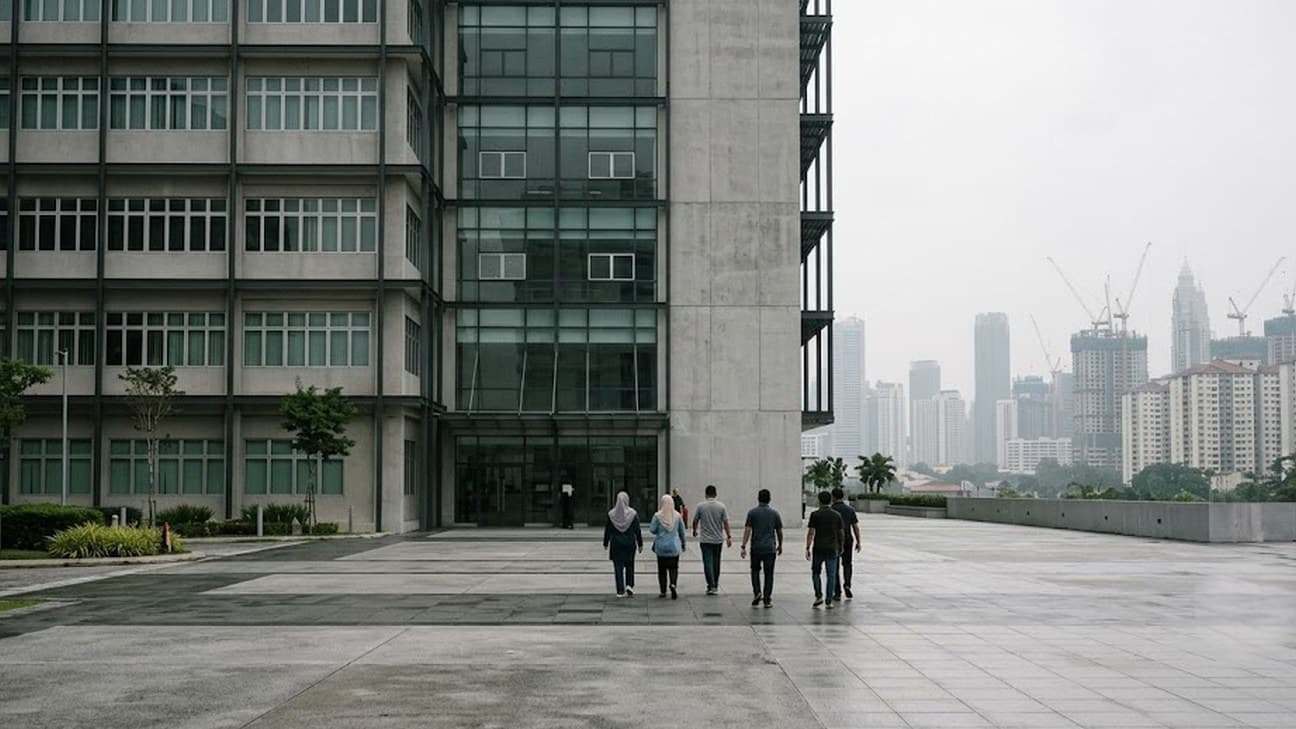
A wide editorial photograph of a Johor Bahru civic building at overcast midday, a small group of anonymous people crossing a plaza in front of it, distant and small in frame, hazy skyline of cranes and towers behind, no legible text, flags, or party symbols.
Johor's state election was fought substantially as a referendum on delivery of the Johor-Singapore Special Economic Zone, which drew the bulk of the state's record 2025 investment inflows.

Barisan Nasional's landslide in Johor's state election removes a political overhang from the JS-SEZ pipeline

Barisan Nasional won 48 of 56 seats in Johor's state election held July 11, its strongest showing since 2008, as Pakatan Harapan fell to 8 seats and Perikatan Nasional was shut out entirely. Voter turnout rose to 69.57%, up 14.65 percentage points from 2022's low of 54.92%. The result is being read as a setback for Prime Minister Anwar Ibrahim's federal coalition ahead of the next general election, due by 2028, even as BN itself sits within the governing federal alliance.

The election was fought substantially as a referendum on delivery of the Johor-Singapore Special Economic Zone, which this publication's July 9 weekly signal reported had drawn RM91.1 billion in approved investment across Johor in the first nine months of 2025 — 74.6%, or RM68 billion, of it tied to the JS-SEZ specifically, with Singapore the single largest source at RM28.5 billion. That weekly also reported that the zone's Cabinet-approved blueprint has its formal joint launch by Anwar and Singapore Prime Minister Lawrence Wong deliberately deferred until after this election.

Singapore's MAS proposes an Alternative Funds Appendix to speed approval of novel retail fund types

The Monetary Authority of Singapore issued a consultation paper proposing amendments to the Code on Collective Investment Schemes, including a new Alternative Funds Appendix designed to streamline approval for innovative fund structures aimed at retail investors. MAS said it expects the first review of any genuinely new fund category to take roughly three months to assess and establish appropriate safeguards, after which subsequent funds of an already-approved type could be authorised within about three weeks. The paper cites industry demand for structures such as futures-based single-commodity funds and single-country government bond funds as the immediate motivation. Feedback is open until August 10.

The proposal does not name tokenized or digital-asset fund structures as a target category, but a framework built to categorise and fast-track approval for novel fund types is the regulatory plumbing that any future tokenized retail fund product would need to pass through.

Malaysian police seize US$323,000 in crypto in a raid on a World Cup betting syndicate

Royal Malaysia Police's commercial crime unit raided an office in Kuala Lumpur and arrested 11 people — six South Korean men, three Malaysian men and two Malaysian women — in connection with an alleged international sports-betting syndicate. Kuala Lumpur police chief Comm Datuk Fadil Marsus said officers seized digital currency credits worth US$323,380.22, alongside RM18,817 in cash. The funds allegedly represented wagers placed on four World Cup 2026 semi-final matches, with the syndicate said to target bettors in South Korea, Japan and Hong Kong under the direction of a Canadian national. Those arrested were charged under the Common Gaming Houses Act 1953, as part of the wider Op Soga XI enforcement sweep.

Eyes on the Day Ahead

Over the next few days, watch for Putrajaya and Singapore to set a firm joint-launch date for the JS-SEZ blueprint now that the Johor election has concluded. In Singapore, track early industry submissions to MAS's Alternative Funds Appendix consultation ahead of its August 10 close. And in Malaysia, watch whether Bukit Aman discloses further arrests or asset seizures tied to the broader Op Soga enforcement sweep, which has run well beyond this single raid.

Layer 7 Ventures is a research-driven firm focused on AI and cryptocurrency in Southeast Asia. Views expressed are those of the firm and do not constitute investment advice.
More Research

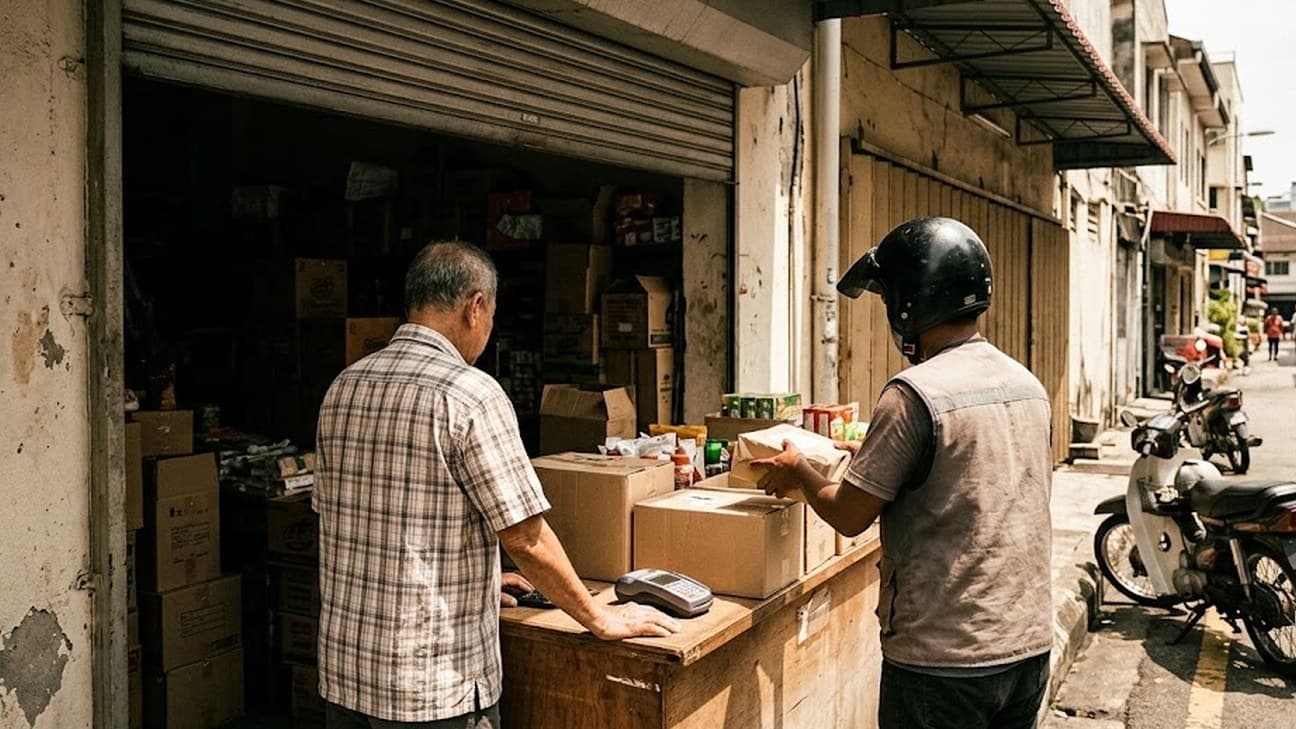
A shopkeeper in a plaid shirt and a helmeted delivery rider face each other across the counter of a Kuala Lumpur shophouse in harsh midday sun, with a card payment terminal and stacked cartons on the counter and motorbikes parked at the kerb.
Daily Brief · FinTech · Geopolitics4 min

SEA Daily Brief: Malaysia Lifts SME Financing to RM57 Billion and Tops Up BNM's Relief Facility, Thailand Plans an SME Credit Portal, and Vietnam Wins Its First Investment-Grade Rating

Malaysia's Budget 2027 raises SME loan facilities and financing guarantees to RM57 billion from RM50 billion, while Bank Negara Malaysia adds RM5 billion to its SME Stabilisation Relief Facility after RM3.8 billion of the first tranche was approved. The Bank of Thailand outlined an SME credit portal, an alternative data exchange and a five-year guarantee scheme aimed at about 100 billion baht of new SME lending a year, after a four-year decline. Japan's R&I upgraded Vietnam to BBB-, the first investment-grade rating from an international agency, while Moody's, S&P Global and Fitch still rate it sub-investment grade.

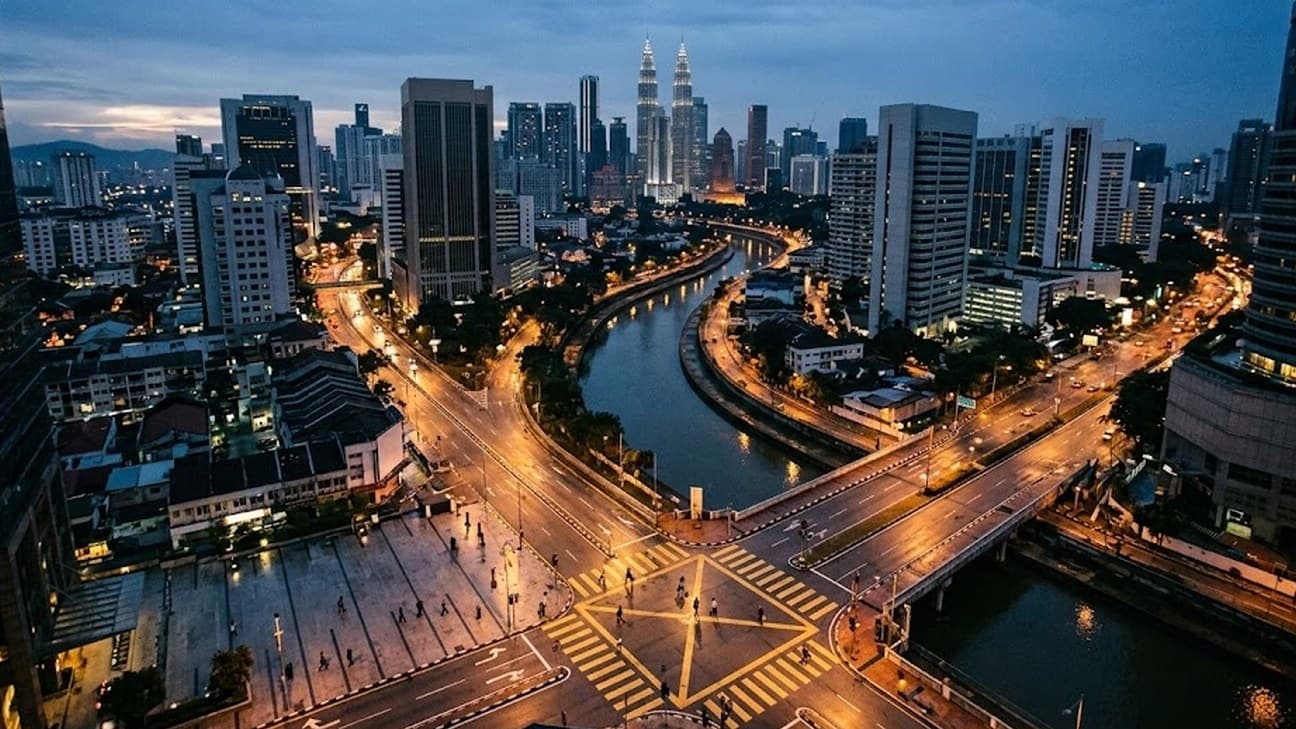
High-angle view of a Kuala Lumpur financial district at pre-dawn blue hour, with office towers, a river bend and a few tiny pedestrians crossing a floodlit plaza and a marked crosswalk.
Daily Brief · FinTech · AI4 min

SEA Daily Brief: Malaysia's Budget 2027 Backs Startups and Crowdfunding, the SC Reports 2025 Restitution Figures, and UOB Explores a Dedicated AWS Cloud for ASEAN

Malaysia's Budget 2027, tabled on 9 October, earmarks RM450 million for startups through Jelawang Capital and Dana Perintis and RM270 million to draw private capital into equity crowdfunding and P2P platforms, with no distribution mechanism disclosed. The Securities Commission told Parliament it returned RM1.98 million to 239 investors in 2025 and has set aside RM8.6 million for 933 more. UOB signed an MoU with AWS to explore a dedicated Singapore cloud environment for its five ASEAN markets, with no financial terms or timeline given.

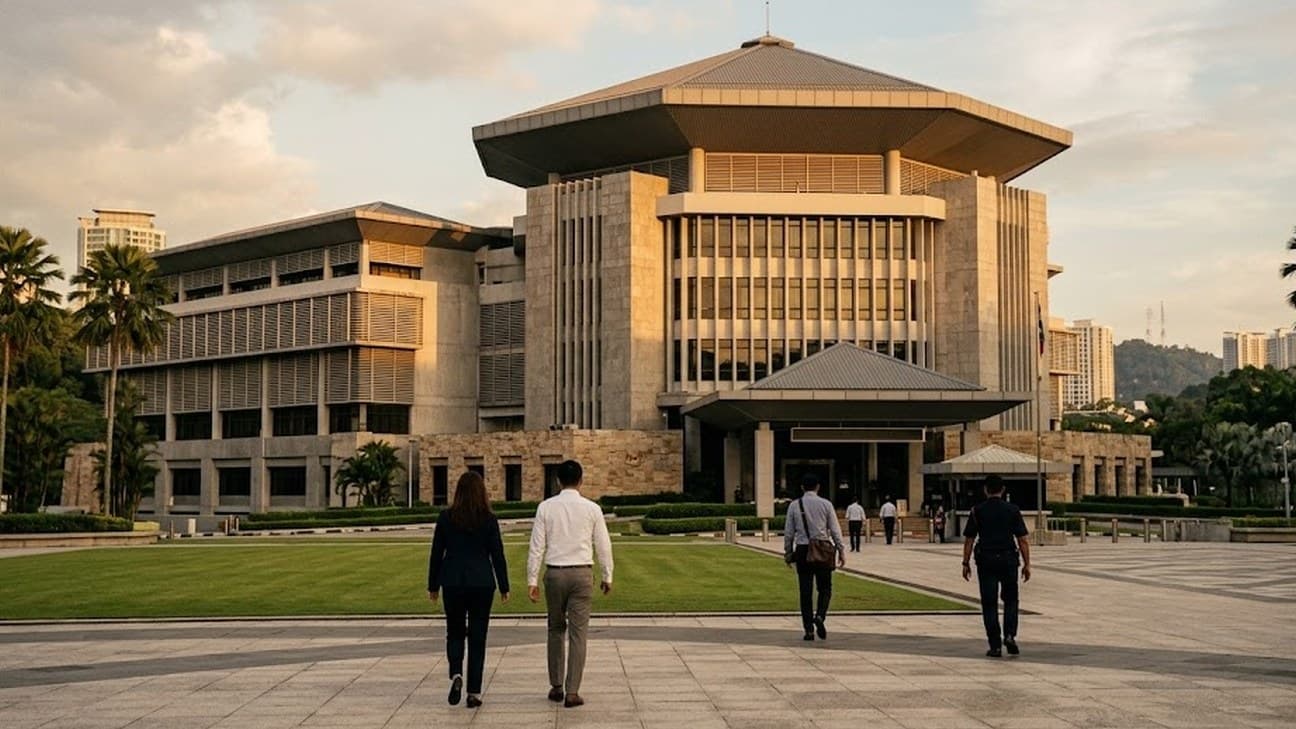
Office workers and a security guard walk across a stone forecourt toward a modern government building with a sweeping roofline in Kuala Lumpur, lit by low golden-hour sun with palm trees and a lawn in the foreground.
Daily Brief · FinTech · Crypto · AI4 min

SEA Daily Brief: Malaysia's Budget 2027 Proposes Tokenised Retail Sukuk, Singapore Licenses Large Data Centres, and the NSRC Plans an AI Scam-Check App

Prime Minister Anwar Ibrahim proposed a blockchain-based retail savings sukuk in Budget 2027, tabled on 9 October, with no launch date, minimum investment or return disclosed. Singapore's Parliament passed the Digital Infrastructure Bill on 7 October, creating licensing regimes for data centres of 10MW or more and large cloud providers. Malaysia's National Scam Response Centre also plans an AI application to check suspicious numbers, accounts and links, with no funding or launch date stated.

Stay Informed

Get the next report in your inbox.