Indonesia's draft AI roadmap leans on a Danantara-run sovereign fund to chase a US$366 billion prize
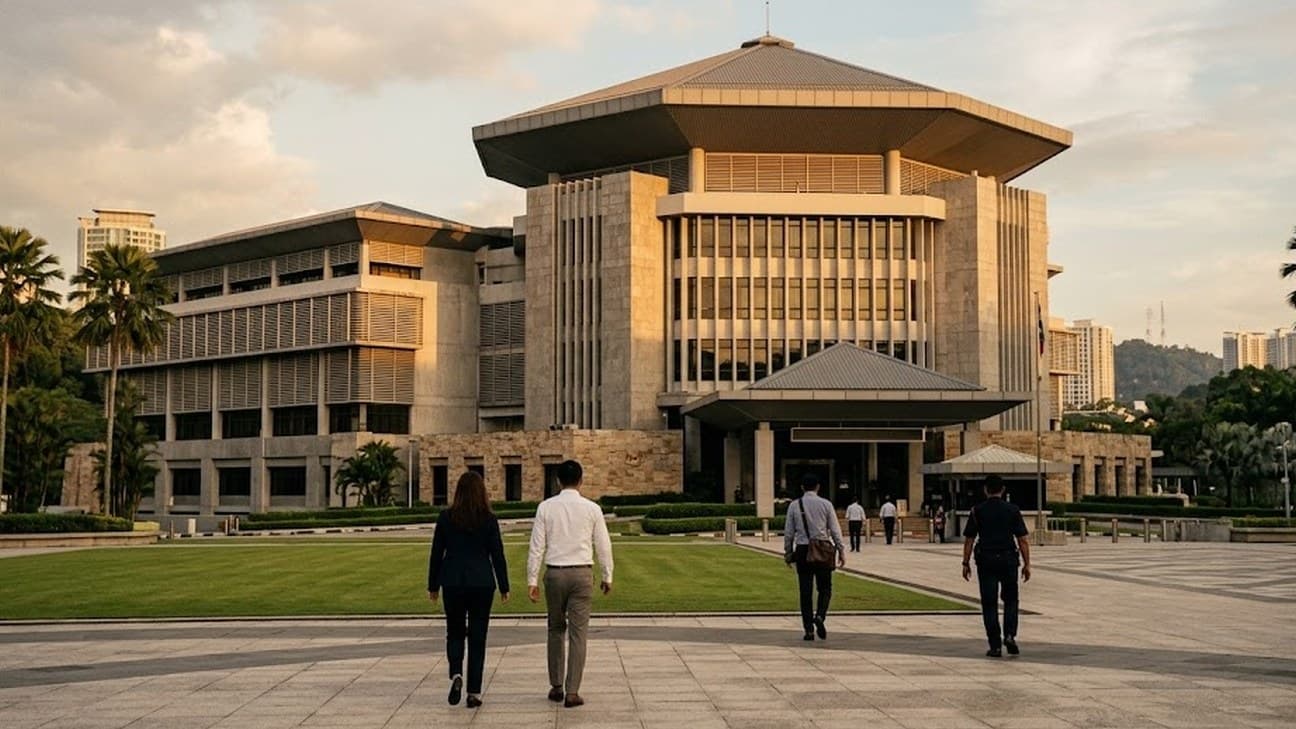
Indonesia is preparing a presidential regulation that would embed artificial intelligence across the priority programs of President Prabowo Subianto's government, according to a draft seen by Reuters. The plan covers flagship initiatives including the US$15 billion free-meal scheme — where AI would set region-specific menus, monitor kitchen hygiene, predict food demand and flag irregularities — alongside health screening and tuberculosis testing. The roadmap, spanning 2026 to 2029, projects that successful AI adoption could lift GDP by 12%, or roughly US$366 billion, by 2030. The document still awaits Prabowo's signature.
Financing would run through Danantara, the sovereign wealth fund stood up earlier this year, which is tasked with designing instruments and a "Sovereign AI Fund" under a public-private model penciled in for 2027 to 2029. Meta, IBM and Microsoft contributed to the draft, according to a task-force member who helped write it; Microsoft has separately committed US$1.7 billion to Indonesian cloud and AI infrastructure. The draft is candid about the gaps — chip access, infrastructure and talent — with one contributor warning the country risks staying a consumer of foreign AI rather than a producer.
Vingroup's Vinpearl pulls US$255m from a Temasek-linked private credit fund and Oman's wealth fund
Vinpearl, the hospitality arm of Vietnamese conglomerate Vingroup, closed a US$255 million strategic investment on June 24 from SeaTown Private Credit Fund III — managed by SeaTown Holdings International, a unit of Temasek — and Vietnam Oman Investment, the joint vehicle backed by the Oman Investment Authority. The capital comes in the form of convertible dividend preference shares (CDPS), with Jefferies acting as exclusive financial adviser.
The structure sits between debt and equity: preference shares carry a fixed dividend with an option to convert, giving the investors downside protection while Vinpearl funds long-term expansion across its 60 hotels, resorts and theme parks. The deal lands against a recovering tourism backdrop — Vietnam recorded 10.6 million international arrivals in the first five months of 2026, a record for the period.
Malaysia's TNG eWallet adds CIMB-backed ASB financing, turning a payments app into a wealth-building rail
TNG Digital, operator of Malaysia's TNG eWallet, launched ASB Financing in partnership with CIMB Islamic on June 25 — its first Islamic financing product. The feature lets users borrow between RM10,000 and RM200,000 to invest in Amanah Saham Bumiputera (ASB), the government-linked unit trust, repaid over tenures of five to 40 years, all inside the app's GOfinance module.
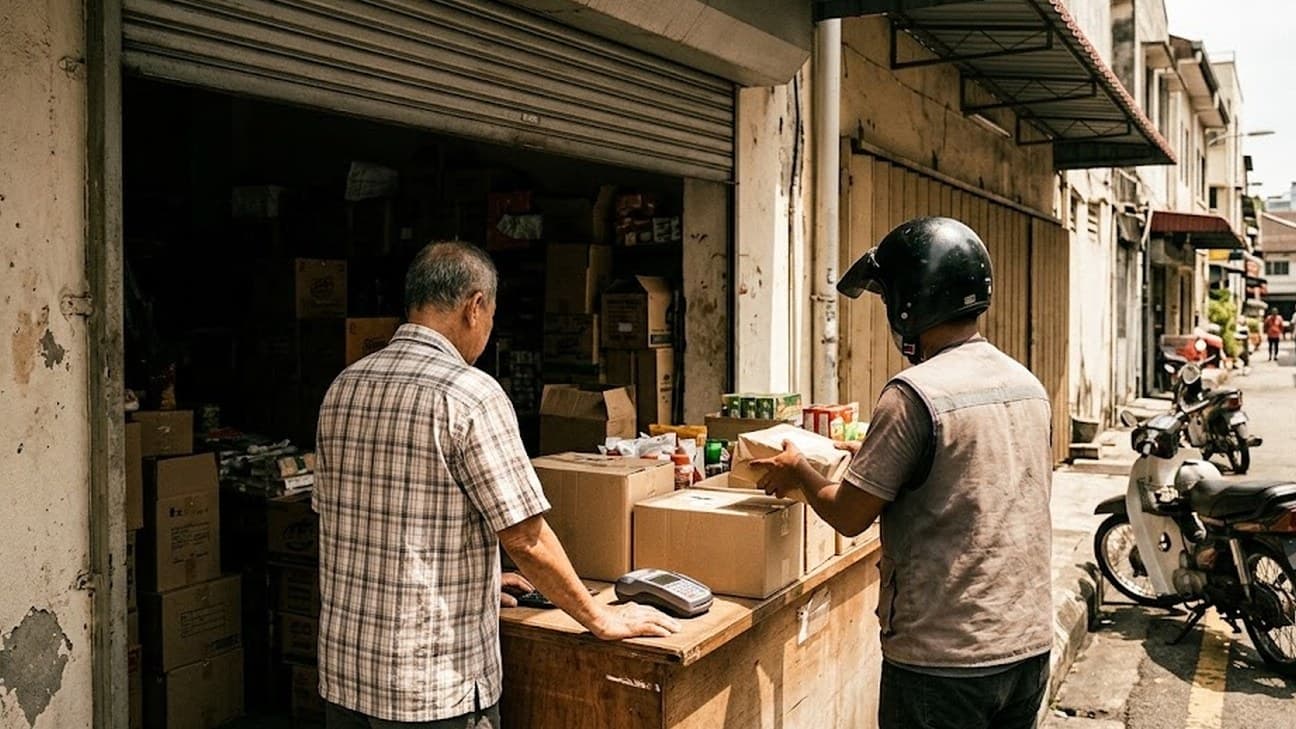
The move targets a captive base: Bumiputera users already make up 70% of the wallet's Amanah Saham Nasional Berhad (ASNB) investor pool and 52% of its invested value, and the platform reports 44% year-on-year growth in active investors as of May 2026. Embedding leveraged ASB access turns a transactional wallet into a distribution channel for managed-investment products rather than a pure payments tool.
Eyes on the Day Ahead
No hard regulatory deadline lands in the next 24–48 hours, so the watch-list runs to July 1, three days out, where several Indonesian threads converge: OJK's bank-style prudential rules for crypto-asset providers take effect as Europe's MiCA transitional window closes, testing how quickly Bappebti-era platforms can re-paper as regulated entities. Watch, too, for whether President Prabowo signs the AI roadmap regulation before quarter-end — the trigger that would move it from draft to policy — and for Malaysia's scheduled removal of the RM1 interbank ATM withdrawal fee, also effective July 1.
Layer 7 Ventures is a research-driven firm focused on AI and cryptocurrency in Southeast Asia. Views expressed are those of the firm and do not constitute investment advice.