Ant International opens its first global fintech development centre in Kuala Lumpur, anchoring 1,500 roles
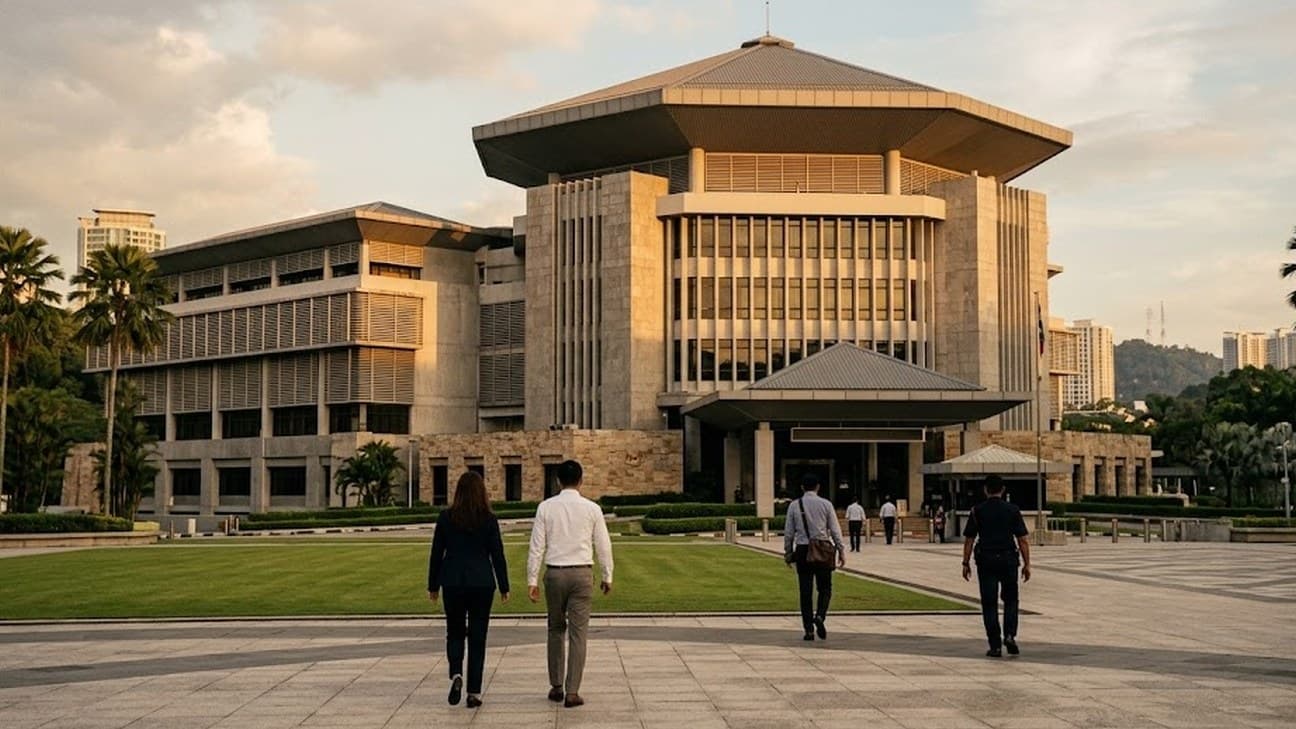
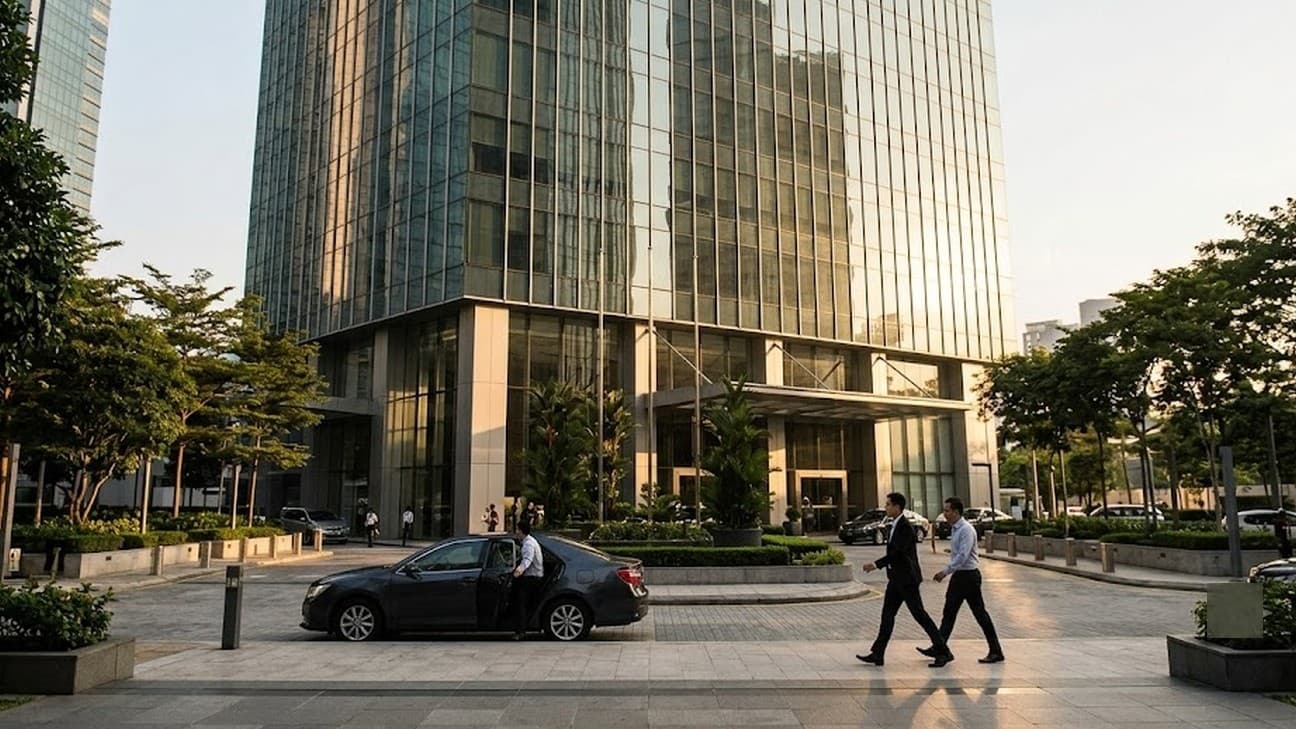
Ant International opened a Global Development Centre at The Exchange 106 in Kuala Lumpur's Tun Razak Exchange (TRX) financial district on July 1, with the launch officiated by Prime Minister Anwar Ibrahim, according to TechNode Global and Fintech News Malaysia. Described as the company's first global fintech development centre, the facility anchors roughly 1,500 fintech roles in Malaysia — more than half of them technology positions — and around half of its local technology team are recent graduates drawn from more than 30 Malaysian universities. The centre will focus on AI, digital payments, SME digitalisation and financial-AI talent development.
The centre builds on Ant International's existing Malaysian footprint, including its backing of Touch 'n Go eWallet, which serves more than 26 million users, and partnerships with CIMB, TNG Digital and PayNet. Ant said it will collaborate with the Ministry of Higher Education on talent development through hackathons, training and curriculum work, and Group CEO Cyril Han framed Malaysia as "a leading regional hub for digital and AI innovation." Prime Minister Anwar used the launch to stress that technology and finance "must add true value by generating quality jobs."
Vietnam's G-Group commits US$300 million to an AI data-centre campus in Hanoi
G-Group announced it will invest VND 7.6 trillion (US$300 million) to build an AI data-centre campus, dubbed G-Campus, on more than 38,000 square metres at Hoa Lac in Hanoi, according to TechNode Global. The site is planned around four functional zones — two dedicated to research and development in AI, big data, IoT, high-performance computing and cybersecurity, and two housing Tier III data-centre operations. Initial IT capacity is set at 20 megawatts, expanding to 30 megawatts, to support AI applications, cloud computing and GPU compute services.
The project is being developed with strategic support from the Hanoi People's Committee and in partnership with OTECH, a subsidiary of Oman's Omantel Group, which is contributing infrastructure expertise and capital arrangement. G-Group's chairman framed the campus as a platform to "accompany Hanoi into the AI era," positioning it for research, digital transformation and large-scale AI workloads.
Malaysia's MTDC launches SemiconStart, a national incubation programme for homegrown chip firms
The Malaysian Technology Development Corporation (MTDC), in collaboration with Silicon Catalyst UK, launched SemiconStart Malaysia on July 1 — a national semiconductor incubation programme offering up to MYR 1 million (about US$240,000) per company in support, structured around a 260-day development pathway, according to TechNode Global. The inaugural cohort comprises ten Malaysian and Malaysia-based semiconductor ventures working across IC design, advanced materials, photonics and optics, MEMS and sensors, advanced packaging, semiconductor automation, and quantum-related technologies.
The programme is framed around strengthening pathways for innovation, commercialisation and technology development, with an explicit emphasis on intellectual-property creation and building globally competitive Malaysian semiconductor companies — a deliberate move up the value chain from Malaysia's traditional strength in outsourced assembly and test.
Eyes on the Day Ahead
No fixed regulatory deadline falls in the next 24–48 hours, so the watch-list runs into early July. The nearer-term reads are commercial and policy-driven: whether Ant International's Kuala Lumpur build-out and its stated input into Malaysia's AI governance work draw a formal timeline for that framework, and whether MTDC discloses follow-on capital or corporate partners for the SemiconStart cohort. On infrastructure, watch for further AI data-centre commitments in Vietnam and additional Gulf-capital tie-ups following the G-Group–OTECH structure. Further out, Bank Negara Malaysia's signalled clarity on ringgit stablecoins and tokenised deposits later in 2026, and Vietnam's pilot crypto-exchange licensing framework, remain the region's two nearest regulatory catalysts.
Layer 7 Ventures is a research-driven firm focused on AI and cryptocurrency in Southeast Asia. Views expressed are those of the firm and do not constitute investment advice.