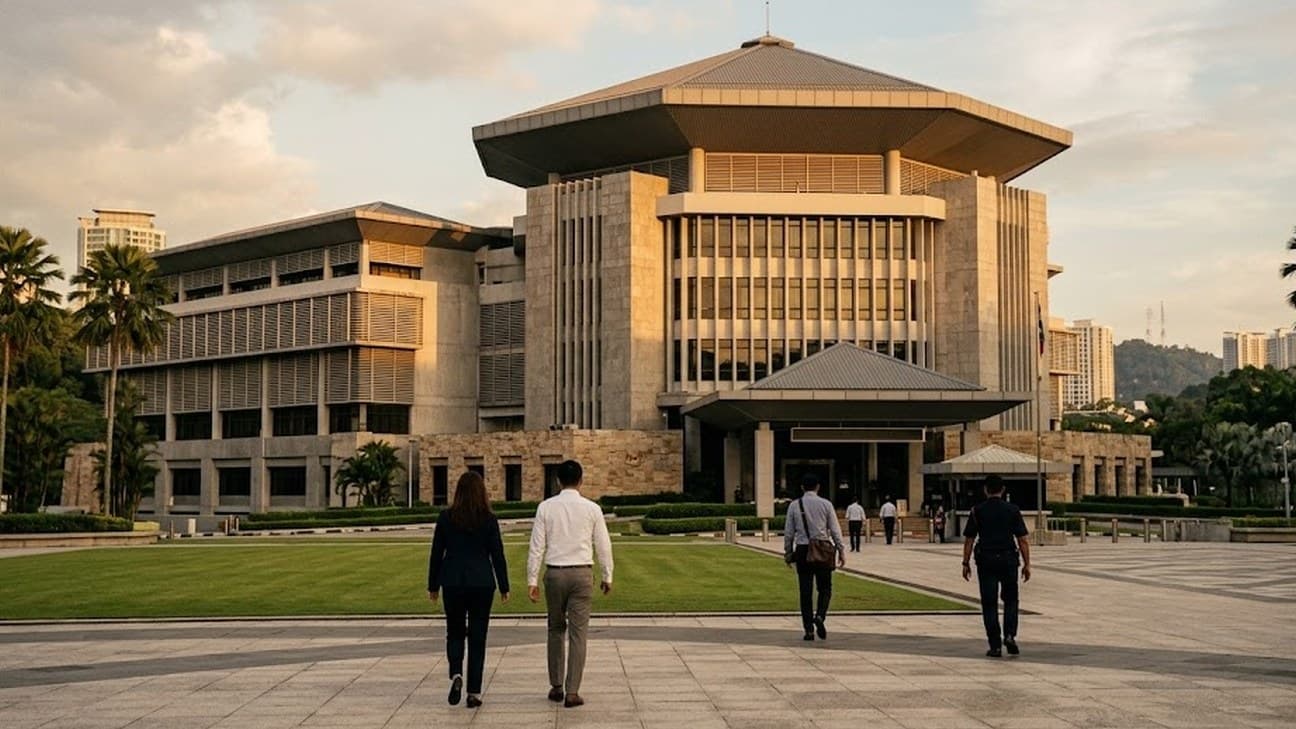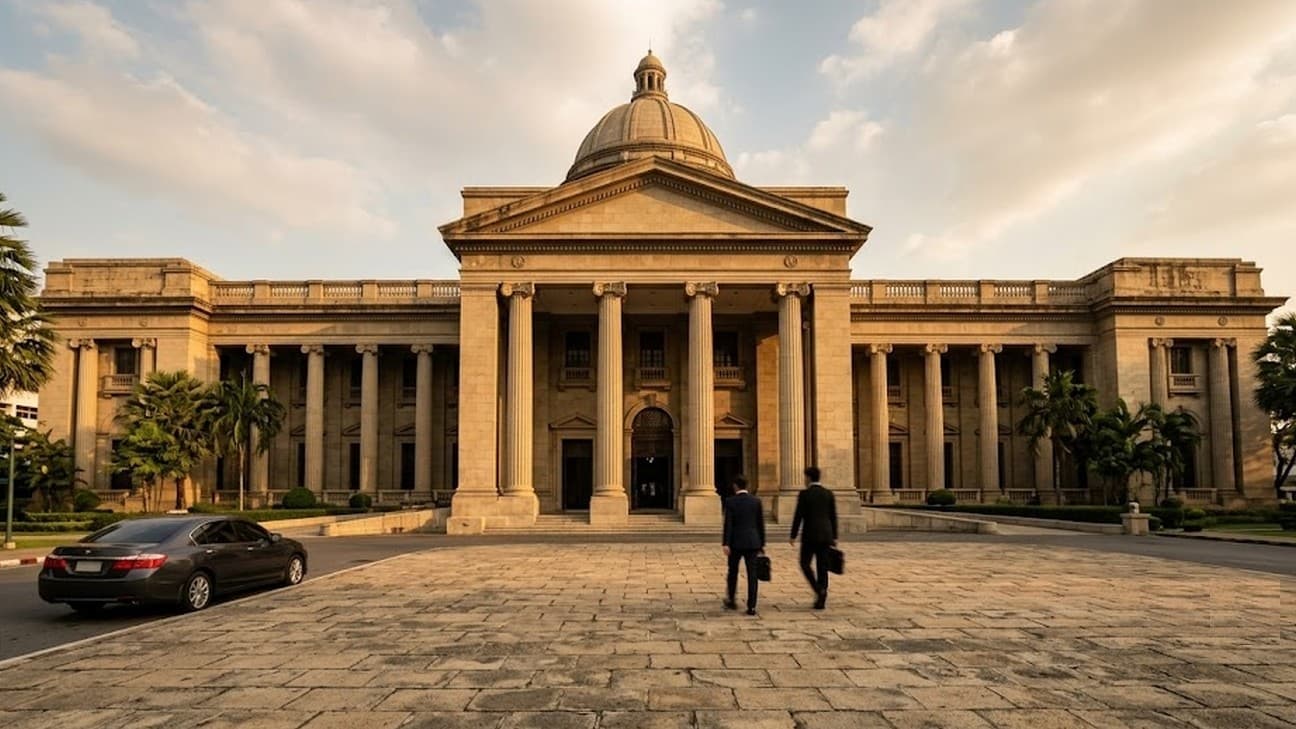
Bank of Thailand sets a timeline for bank-issued baht stablecoin rules
The Bank of Thailand (BOT) said it will establish formal regulatory guidelines for a Thai baht stablecoin, with Governor Vitai Ratanakorn telling local media the rules are expected to be finalised and announced within 2026 or early 2027, preceded by a public hearing in the coming months. The central bank framed the move as a deliberate, step-by-step rollout rather than a rapid deployment, describing it as a shift in mindset from its previous caution toward digital assets.
Under the approach outlined, the BOT plans to gradually allow commercial banks and financial institutions to expand stablecoin-related activities, with the baht-pegged token aimed squarely at settlement and payment efficiency rather than investment or speculation. The central bank also pointed to potential applications in areas such as carbon-credit markets supporting Thailand's net-zero transition. The signalling builds on the BOT's existing programmable-payment sandbox, which has been open to applicants since late 2025 and through which banks including Kasikornbank have already tested baht-backed stablecoin use cases.
Maybank deploys an AI wealth-advisory platform with Switzerland's Evooq
Maybank, Malaysia's largest bank by assets, has partnered with Swiss wealth-technology firm Evooq to roll out Advisor Assist, an AI-powered platform for relationship managers across its regional wealth-management business. Rather than a customer-facing robo-advisor, the tool is built for the bank's advisers: it provides a unified view of client portfolios, portfolio-risk analytics, intelligent client insights and next-best-action recommendations intended to help managers identify investment opportunities and personalise advice at scale.
Alice Tan, Maybank's head of group wealth management, said the collaboration would help the bank combine human expertise with technology and deliver more personalised advice, including around portfolio risk, underscoring its ambition in Southeast Asian wealth management. Evooq managing director Gery Dachlan tied the deal to rising demand for personalised wealth tools as regional financial institutions digitise their advisory operations. The platform is being deployed across Maybank's regional franchise as part of a broader wealth-transformation push, though the bank has not detailed a full implementation timeline.
Singapore's ChemT raises US$4 million to put an AI 'virtual cell' inside biomanufacturing
ChemT Biotechnology, a Singapore-based AI-driven biotech firm, has closed a US$4 million seed round led by Wavemaker Ventures, with participation from SEEDS (SG Growth Capital), Wavemaker 360 Health, Draper University Ventures and the Temasek Life Sciences Accelerator. The company develops precision small molecules to improve biomanufacturing and is building CelMo, a 'virtual cell' platform that uses machine learning trained on large biological-sequencing datasets to simulate how cells respond to manufacturing conditions, genetic modifications and environmental stress.
About a year and a half since launch, ChemT says it has built more than 40 commercial partnerships with pharmaceutical, biotech and contract development and manufacturing organisations (CDMOs) globally. Wavemaker co-founder Paul Santos framed the thesis bluntly, arguing that biomanufacturing has long been constrained by a lack of computational understanding of cellular networks — the gap the platform is designed to close by modelling cell growth, metabolism and stress response before production runs.
Eyes on the Day Ahead
No hard regulatory deadline lands in the next 24–48 hours, so the watch-list runs across the coming week. On Thailand, the trigger to track is the Bank of Thailand's promised public hearing on baht-stablecoin rules — the reserve, redemption and issuer-eligibility terms it floats will set the template for how bank-anchored the framework becomes. In Malaysia, watch whether other regional banks follow Maybank in buying rather than building AI advisory tools, a tell on how fast incumbent wealth franchises are digitising. And in Singapore, continued early-stage AI deal flow into applied life sciences and other verticals will indicate whether the city-state's dominant share of SEA's AI funding is broadening beyond pure infrastructure.
Layer 7 Ventures is a research-driven firm focused on AI and cryptocurrency in Southeast Asia. Views expressed are those of the firm and do not constitute investment advice.