The Philippines' BSP still cannot give a timeline for new digital bank licences
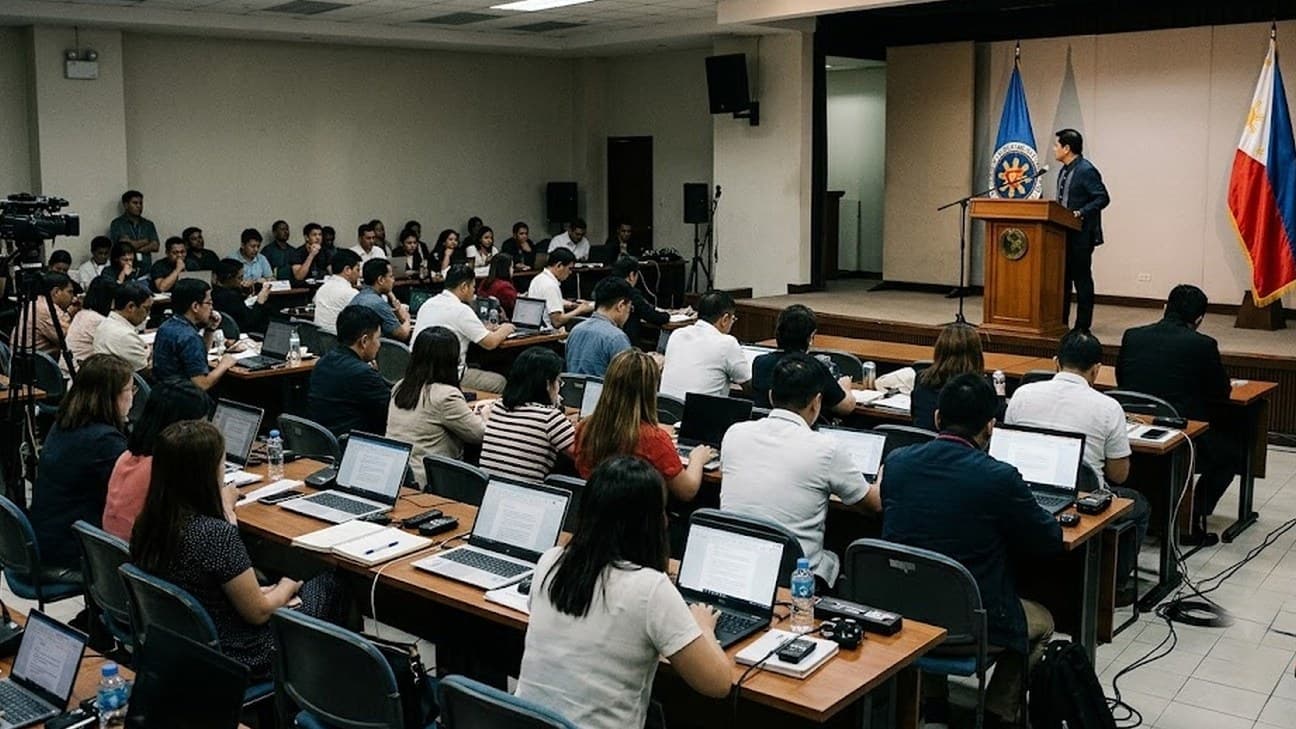
Bangko Sentral ng Pilipinas deputy governor Lyn I. Javier said the central bank cannot yet commit to a timeline for issuing new digital bank licences, when asked directly whether approvals could arrive within the year: "In due time… I cannot say so." Three applicants have filed for the four licence slots that remain available following a November 2025 application deadline, joining a cohort of six digital banks already licensed and operating: Tonik, GoTyme, Maya Bank, Overseas Filipino Bank, UNObank and UnionDigital Bank.
BSP Governor Eli Remolona Jr. has said any approvals that do come will be announced individually rather than as a single batch, which removes even the possibility of a scheduled group announcement that applicants or the market could plan around.
Singapore's M-DAQ links up with Vietnam's METech to build an ASEAN cross-border payments hub
Singapore-based fintech M-DAQ Global integrated with METech, the majority shareholder of PayME, a licensed Vietnamese payments provider, giving M-DAQ direct Vietnamese dong collection and payout infrastructure for the first time. The deal is M-DAQ's fifth regulated payment licence across four ASEAN markets, following prior tie-ups covering Malaysia (EasyPay) and Indonesia (Wallex).
M-DAQ chief executive Tan Choon Seng said the integration "will extend its expertise to businesses beyond Vietnam by combining local infrastructure with regional reach." The companies cited Vietnam's digital economy at US$72.1 billion in 2025 — roughly 14% of GDP — and forecast cross-border business-to-consumer e-commerce reaching US$13.39 billion by 2031 as the underlying growth case for the tie-up.
The World Bank reclassifies Vietnam and the Philippines as upper-middle-income economies
The World Bank's 2025 income classification update placed both Vietnam and the Philippines in the upper-middle-income band, which for 2025 runs from US$4,636 to US$14,375 in gross national income per capita. Vietnam's GNI per capita came in at US$4,970 and the Philippines' at US$4,850, both newly crossing the threshold from lower-middle-income status.
The two countries join Malaysia, which has held upper-middle-income status for 37 years, Thailand at 15 years and Indonesia at six — a historical cohort in which every member saw economic growth slow to below 5% annually after crossing the same income line, a pattern economists describe as the "middle income trap."
Eyes on the Day Ahead
Over the next few days, watch for any individual digital-bank licence announcement from BSP, which Governor Remolona has said will come one at a time rather than as a batch — the first approval, whenever it lands, will be the actual signal the market has been waiting for. In Vietnam, track whether M-DAQ discloses further ASEAN market integrations following the METech deal. And watch for any policy response from Hanoi or Manila to the World Bank's reclassification, particularly around financing plans for infrastructure projects that had been counting on concessional multilateral loans.
Layer 7 Ventures is a research-driven firm focused on AI and cryptocurrency in Southeast Asia. Views expressed are those of the firm and do not constitute investment advice.