Binance Re-Enters the Philippines Through a Sandbox Intermediary — a Regulated Channel, Not a Full Licence
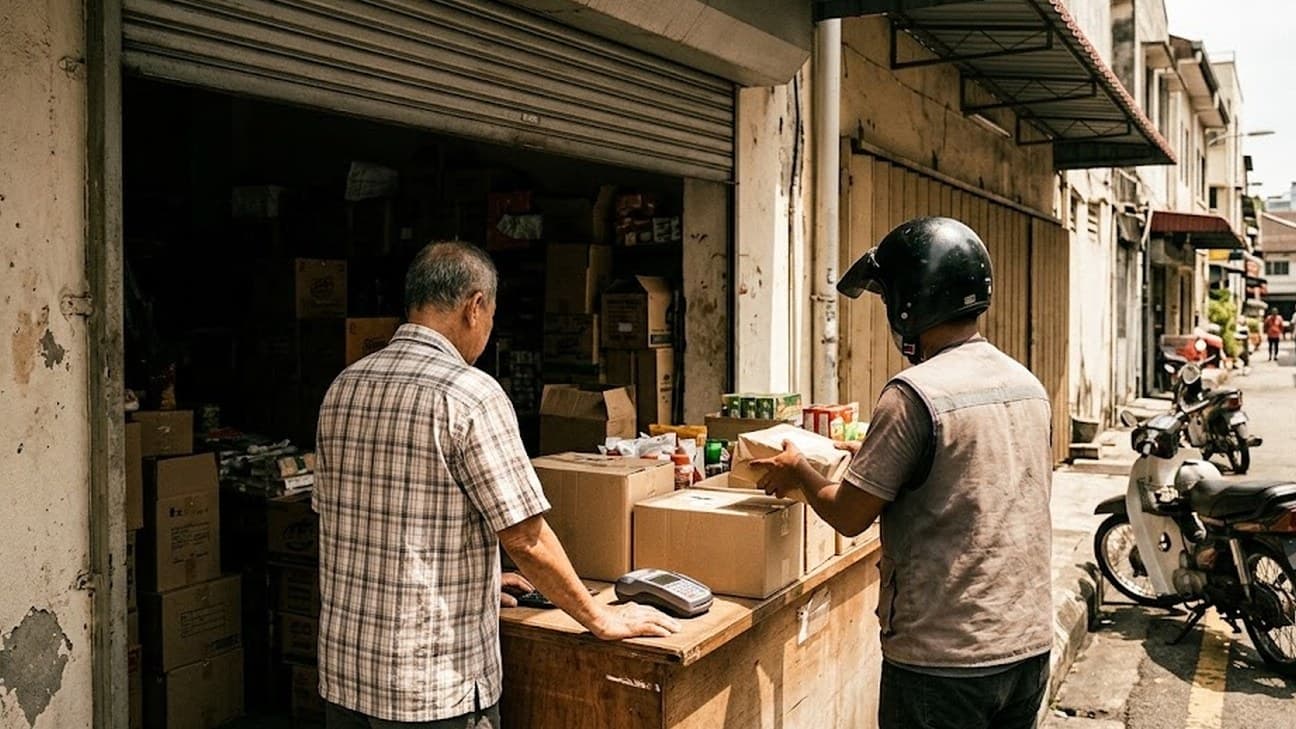
On July 2, the Philippine Securities and Exchange Commission granted final approval for BlockShoals Technologies Inc. to operate under its Strategic Regulatory Sandbox (Stratbox), with the exchange Binance explicitly named as BlockShoals' global crypto-asset service provider (CASP) partner. Binance co-chief executive Yi He announced on X that the exchange had "officially entered the Philippines," and the structure is the story: BlockShoals is the locally registered intermediary that holds the regulatory relationship, while Binance supplies the backend — trading infrastructure, security systems and compliance tooling. The clearance follows BlockShoals' initial acceptance into the sandbox on November 12, 2025, granted after the firm satisfied the regulator's remaining compliance requirements.
This is a return, not a debut. In 2024 the same SEC declared Binance was operating without the required licences and asked local authorities to restrict access to its platform — an effective block of the world's largest exchange from a market with one of Southeast Asia's highest rates of retail crypto adoption. The sandbox is the negotiated path back: a supervised testing window in which the regulator can waive or modify specific requirements while participants remain subject to existing law, rather than a blanket authorisation. Layer 7's June 25 weekly flagged BlockShoals as one of four firms sitting in the StratBox cohort on in-principle approval; this week's final clearance, with Binance now named as the underlying provider, is the point at which that in-principle status turns operational.
The limits are as important as the approval, and this is where the weekly can be precise where a headline cannot. Neither Binance nor BlockShoals currently holds a Virtual Asset Service Provider (VASP) licence from the Bangko Sentral ng Pilipinas (BSP), and the central bank has clarified that participation in the SEC's Stratbox does not substitute for one, because the two regulators oversee different parts of the financial system — the SEC supervising crypto-asset service providers and capital-markets conduct, the BSP licensing the virtual-asset payment and transfer rails. Before any user onboarding begins, BlockShoals must complete a mandatory 90-day systems-integration phase with a licensed local VASP, and the testing programme is scheduled to run for a minimum of two years from the second half of 2026.
Sources
- crypto.news — Binance moves ahead in Philippines as SEC clears BlockShoals sandbox testing
- Finance Magnates — Binance Re-Enters Philippines as Regulator Clears BlockShoals Sandbox
- The Crypto Times — Binance Set to Enter Philippines After SEC Sandbox Approval
- Layer 7 Ventures — SEA Signal (Jun 25): the Philippine SEC names the firms in its StratBox sandbox
Bank Negara Orders One QR Standard Across Every Wallet, Phasing Out Proprietary Networks by 2028
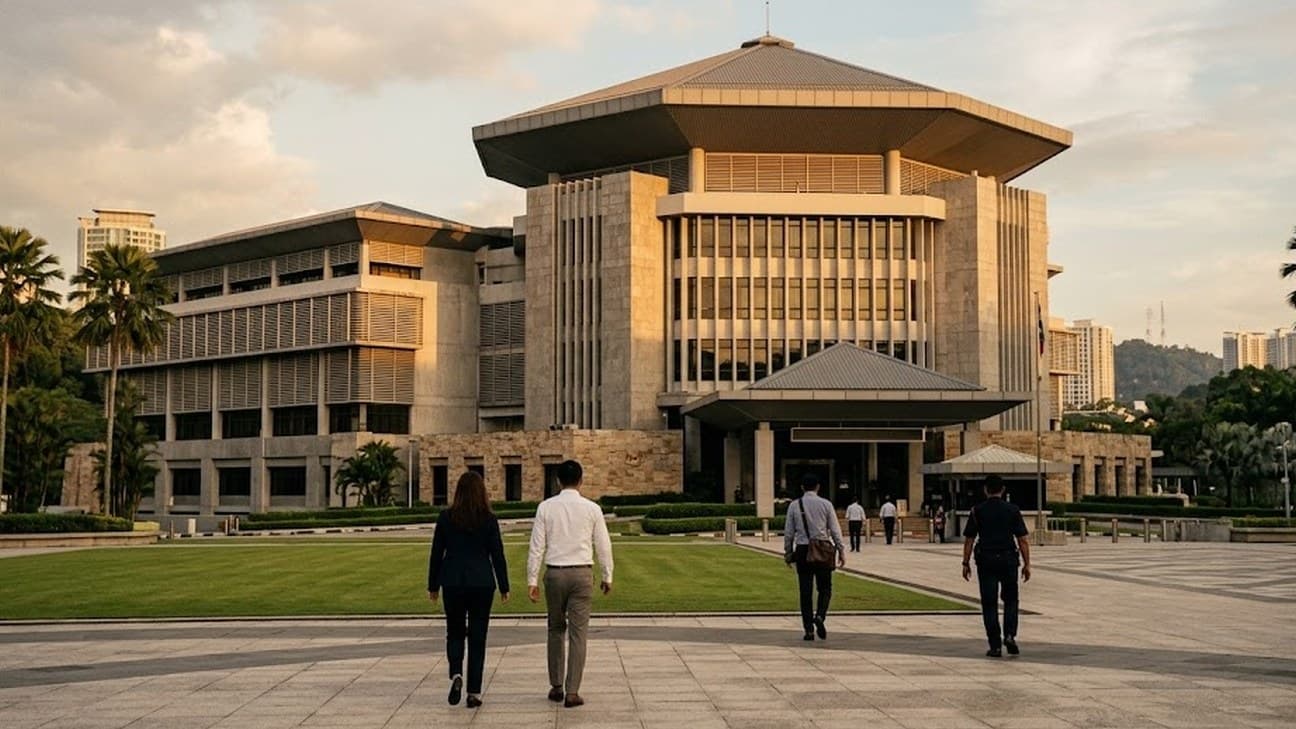
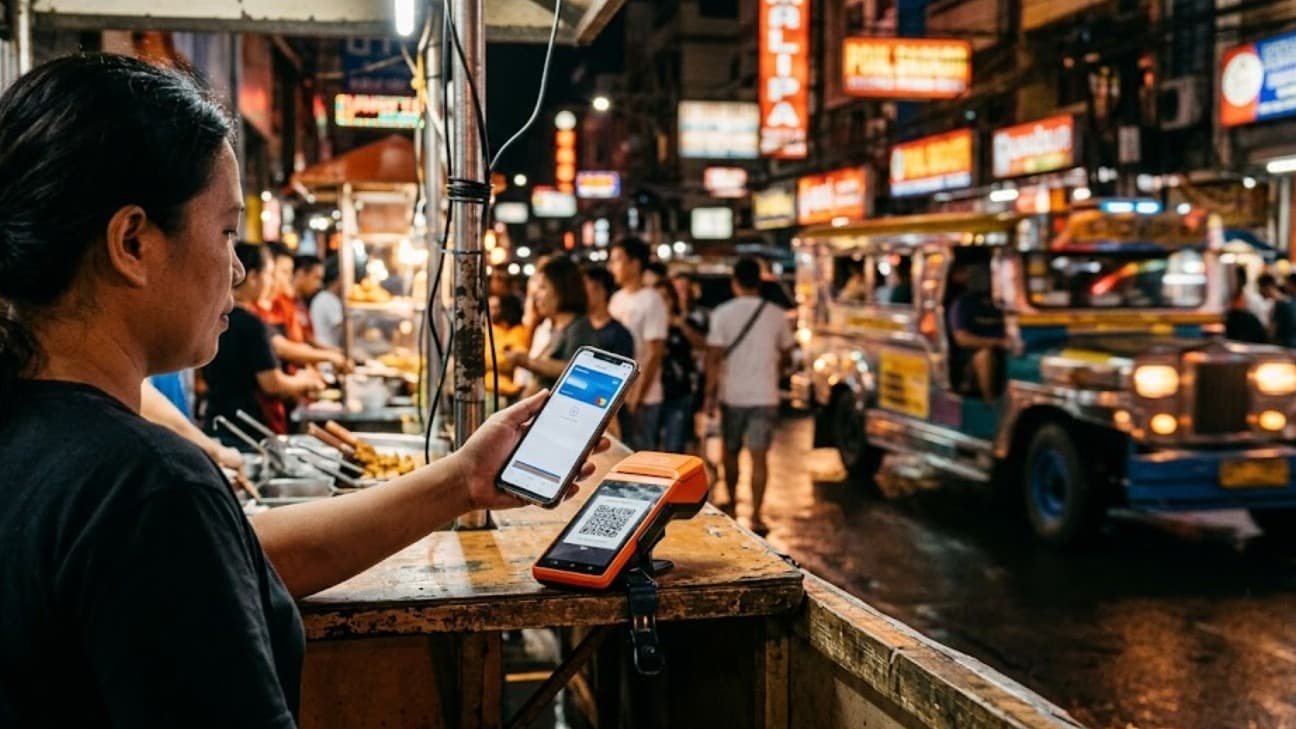
On June 30, Bank Negara Malaysia issued its Interoperable Fund Transfer Framework (IFTF), a policy document that ends the era of walled-garden QR payments in Malaysia. The framework applies to banks, Islamic banks, development financial institutions, e-money issuers, payment system operators and merchant acquirers, and it mandates that any institution using shared payment infrastructure must support interoperable QR payments — so a consumer can pay any participating merchant regardless of which bank or wallet issued their account. Merchant acquirers, in turn, must let their merchants accept payments from customers of any financial institution on the same shared infrastructure. In practice, that means routing retail QR onto PayNet's DuitNow QR rather than closed, provider-specific codes.
The binding element is the phase-out. Existing proprietary or "exclusive" QR-code scheme networks — those that only work inside a single provider's ecosystem — must be fully retired by June 30, 2028, and during the two-year transition affected institutions are barred from onboarding new merchants onto those proprietary schemes. DuitNow QR itself is not being discontinued; what is being dismantled is the ability of any one wallet or bank to run a merchant network that competitors' customers cannot pay into. For a market where the largest e-wallets spent years signing up hawkers and retailers into their own acceptance networks, this reclassifies that footprint from a proprietary moat into shared public infrastructure.
The framework also sets up the cross-border layer without yet dating it. BNM stated that requirements for cross-border account-to-account and QR payments will follow the launch timeline of Project Nexus — the BIS-backed hub-and-spoke network linking the instant-payment systems of Malaysia, Singapore, Thailand, the Philippines and India — which the central bank will announce later. Domestic interoperability is the precondition for that connection: a fragmented set of proprietary Malaysian QR schemes cannot cleanly plug into a regional gateway, whereas a single interoperable DuitNow QR rail can.
A Nasdaq-Listed Firm Backs Indonesia's Rupiah Stablecoin — In Stock, Not Cash
Nasdaq-listed Lion Group Holding Ltd (LGHL) is committing up to US$12 million to PT Nusantara Bumi Sangkara, the Indonesian firm developing NIDR — a stablecoin pegged one-to-one to the rupiah and backed by what the company describes as safe and liquid reserve assets. Regional outlet TechNode Global carried the deal on June 26. The token is aimed at low-cost cross-border transfers and value exchange, and its developer is positioned, per the announcement, as a potential early compliant issuer on the back of "approvals or confirmations" from Indonesia's Financial Services Authority (OJK). The stablecoin's design layers blockchain settlement, smart contracts and AI-driven risk controls.
The structure is as notable as the target. Lion Group is not deploying cash — the investment is a non-cash, stock-for-participation arrangement in which LGHL issues ordinary shares (via American Depositary Shares) or other equity-linked securities in exchange for a 10% indirect economic interest in Nusantara Bumi Sangkara through Meili Capital Management. Chief executive Wilson Wang framed it as a way to "preserve capital while gaining exposure to a promising stablecoin and digital payments platform." It is an equity swap that buys optionality on an Indonesian rupiah-stablecoin franchise without spending the balance sheet — a telling sign of how a US-listed digital-asset treasury company is choosing to price Southeast Asian stablecoin exposure.
The timing sits directly on top of Indonesia's regulatory shift. Layer 7's June 25 weekly detailed the P2SK Law revision that moved crypto supervision to OJK, the country's prudential financial-services regulator; a private rupiah stablecoin advancing under OJK's eye is the first visible test of what that new supervisory regime will actually permit. It also runs in parallel to the state track — Bank Indonesia's own digital-rupiah pilot, Project Garuda, which envisages tokenised government securities as backing. Indonesia is now developing public and private rupiah-denominated digital money at once, and NIDR is an early data point on whether the OJK-supervised private lane will be given room to operate.
Sources
- TechNode Global — Lion invests $12M in Indonesian stablecoin and digital financial infrastructure firm Nusantara Bumi Sangkara
- PR Newswire — LGHL Announces Strategic Investment in Indonesian Stablecoin and Digital Financial Infrastructure Provider
- Layer 7 Ventures — SEA Signal (Jun 25): Indonesia moves crypto supervision to OJK
Eyes on the Week Ahead
In the Philippines, the next markers are procedural but decisive: whether BlockShoals begins its mandatory 90-day integration with a licensed local VASP, and any move by the BSP on the virtual-asset licensing gap that still separates Binance's sandbox access from a full payment-and-transfer permission. In Malaysia, watch for BNM to attach a date to the Project Nexus cross-border QR linkage now that the domestic interoperability rule is set, and for the first signals of how the large e-wallets reposition as their proprietary merchant networks lose value ahead of the 2028 cut-off. In Indonesia, the file to track is OJK's implementing rules — the same rulebook that will decide whether a private rupiah stablecoin such as NIDR is licensed to scale.
The wider regional pattern remains the one to watch as a single trend: Southeast Asia's regulators are building supervised on-ramps for crypto and digital payments rather than either banning or fully deregulating them. Thailand's SEC has guided toward a public consultation on a baht-pegged stablecoin framework before year-end, Bank Negara Malaysia has promised end-2026 clarity on ringgit stablecoins and tokenised deposits, and Vietnam's five-licence crypto-exchange pilot continues to take applications. Each is a variation on the same design: a narrow, licensed front door that widens access while keeping the perimeter firmly under a prudential or securities regulator's control.
Layer 7 Ventures is a research-driven firm focused on AI and cryptocurrency in Southeast Asia. Views expressed are those of the firm and do not constitute investment advice.