Equinix Commits US$190 Million to KL2 in Cyberjaya as Malaysia's High-Value AI Data Centre Filter Takes Hold
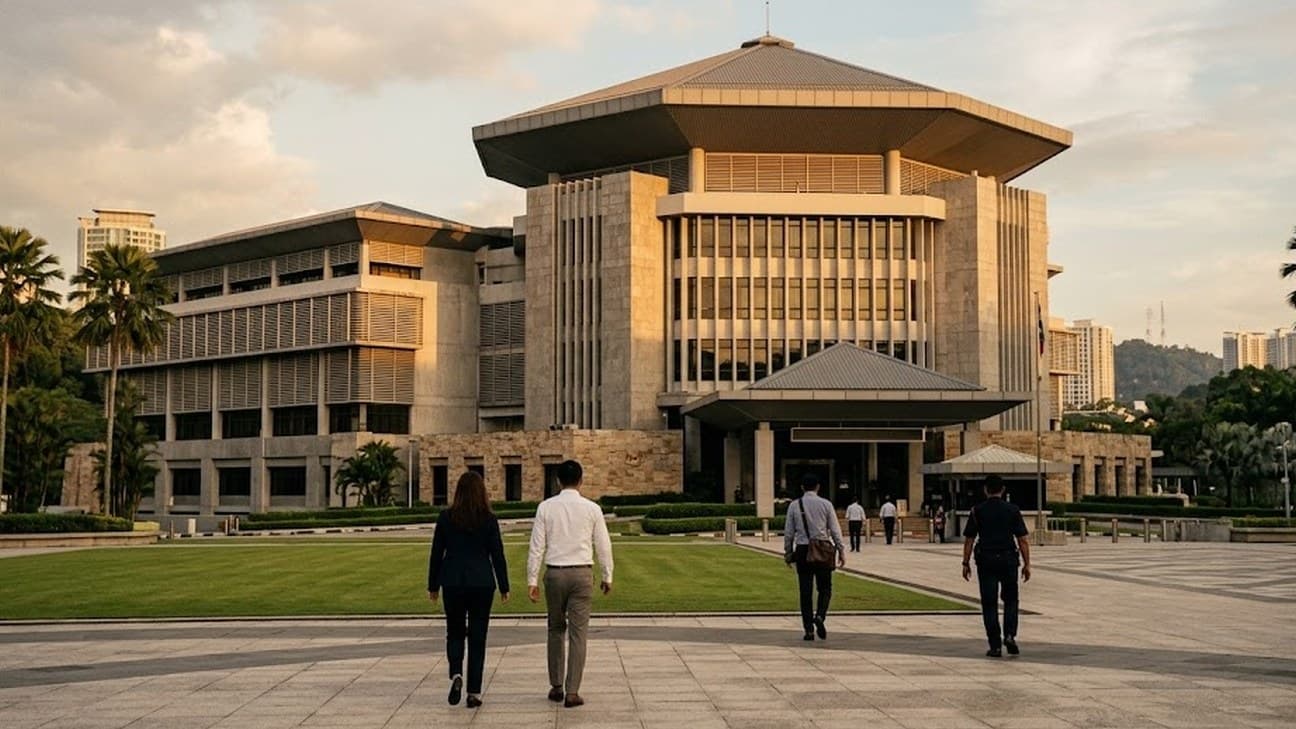
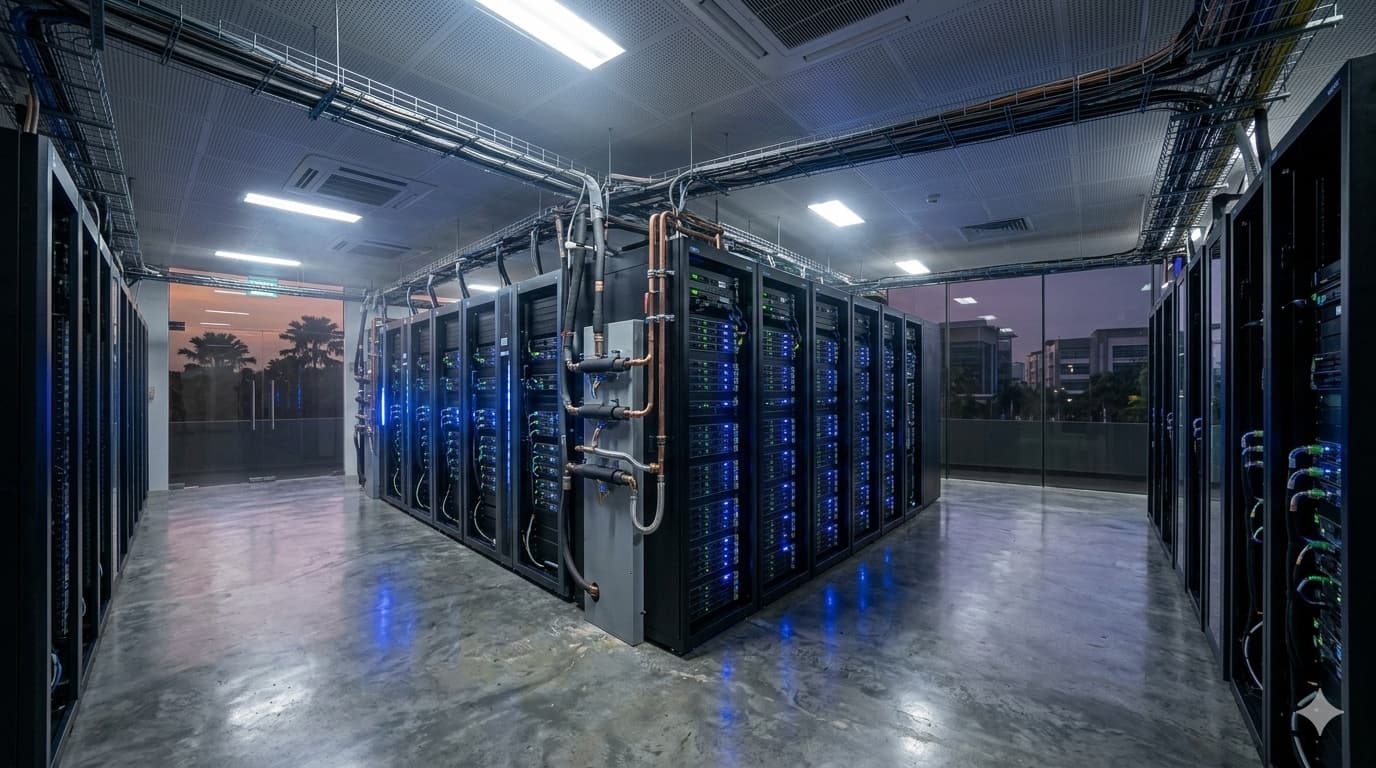
On May 12, Equinix announced KL2, its fourth data centre in Malaysia, located in Cyberjaya less than one kilometre from its existing KL1 facility. The committed investment is over US$190 million, with capacity of more than 2,200 cabinets at full build. The facility is engineered for AI and high-performance computing workloads with advanced liquid cooling, targets 100 percent renewable energy coverage by 2030, and is designed to connect to Equinix sites in Kuala Lumpur, Johor and Singapore via the company's regional fabric.
The same day, Taiwan-based industrial manufacturer TECO Electric & Machinery approved the acquisition of Malaysian engineering firm Dynaciate Engineering Sdn. Bhd. for approximately RM200 million (roughly US$50.8 million). The deal is positioned as a strategic push into AI data centre infrastructure, with TECO previously involved in Foxconn-led AI projects tied to OpenAI's Stargate programme. The transaction is expected to close in August 2026.
The two May 12 disclosures sit on top of a regional pattern that TechNode Global characterised the same week as an AI-driven reshaping of Southeast Asia's data centre landscape. Johor currently holds approximately 500 MW of operational capacity, with roughly 4.6 GW in the pipeline that is predominantly tied to AI workloads. The Malaysian government has not approved any non-AI data centre proposals since 2024, formalising a high-value, capital-intensive filter at the federal level. Microsoft and Google have each committed more than US$2 billion to Malaysia under prior announcements, while Singapore's tighter posture continues to redirect demand into Johor and Batam.
Vietnam's Deputy Finance Minister Sets Q3 2026 Target for First Official Crypto Market Activity
Speaking at the Digital Trust in Finance 2026 forum on May 12, Vietnamese Deputy Minister of Finance Nguyen Duc Chi said that, as early as the third quarter, Vietnam could witness the first official activities of its crypto asset market, operating under a framework designed to ensure safety and transparency. The Ministry of Finance has coordinated with the Ministry of Public Security and the State Bank of Vietnam to approve five companies to provide services for organising and operating digital asset trading platforms.
Reporting on the announcement identified the five approved entities as connected to Techcombank, VPBank, LPBank, VIX Securities and the Sun Group ecosystem — the same shortlist that cleared initial qualification under the five-year pilot earlier in the year. The fiscal frame remains as previously disclosed: a 0.1 percent transaction tax on individual crypto trades through licensed platforms, a 20 percent corporate income tax on profits earned by domestic organisations, and a VAT exemption on crypto transactions. Cryptocurrencies remain prohibited as a domestic means of payment.
The Q3 reference is the first explicit timeline from the Ministry on when live trading could begin. It follows the Digital Technology Industry Law passed by the National Assembly in June 2025 and effective January 1, 2026, which formally recognised crypto assets as a category of property capable of being owned, traded and inherited under Vietnamese civil law. No specific licence grants have been announced since the March qualification round.
Thailand SEC Closes Spot Crypto ETF Consultation, Frames First Products Around Bitcoin and Ethereum
Thailand's Securities and Exchange Commission closed its public consultation on proposed spot crypto exchange-traded fund rules on May 11. The draft framework permits spot ETFs initially focused on Bitcoin and Ethereum, with possible expansion to other digital assets that meet liquidity and SEC standards. Holdings would be stored primarily with SEC-regulated digital asset custodians, and units would be traded exclusively on the stock exchange.
Asset management companies seeking to offer the products would need to demonstrate adequate personnel, technology infrastructure and qualified service providers. The framework includes disclosure requirements, investor education obligations, and a comprehension check confirming that investors understand the associated risks before participating. The consultation builds on prior approvals from the SEC Board in December 2025 and the Capital Market Supervisory Board in February 2026.
Thailand previously approved a Bitcoin-linked ETF in 2024 structured as a fund of funds investing in offshore vehicles. The spot framework is a step beyond that — it allows direct holdings inside a Thai-domiciled product, which materially changes the custody, tax and distribution economics for both managers and retail investors.
Eyes on the Week Ahead
MAS' Consultation Paper P009-2026 on the prudential treatment of cryptoassets on permissionless blockchains closes at 11:59 pm Singapore time on May 18 — the most consequential bank-regulation deadline in ASEAN this month. Thailand's separate SEC consultation on letting licensed digital-asset firms apply for derivatives licences within existing entities closes May 20. Southeast Asia Blockchain Week 2026 runs in Bangkok on May 18–24, with the main conference May 20–21 and likely to surface the next round of regional licensing posture.
Vietnam's Ministry of Finance has not announced any granted licences since the March qualification round; with the Q3 target now on the public record, any week between now and end-June that produces a named grant is the most material event for the regional exchange landscape. In Malaysia, the SC is expected to finalise the revised RMO Guidelines for Digital Asset Exchanges that liberalise the listing process, with second-quarter release previously flagged.
Layer 7 Ventures is a research-driven firm focused on AI and cryptocurrency in Southeast Asia. Views expressed are those of the firm and do not constitute investment advice.