Alibaba Cloud Opens Two New Johor Data Centres, Its Second Malaysia Region and Largest SEA Footprint
Alibaba Cloud launched a public cloud region in Johor on June 9 — its second in Malaysia — comprising two new data centres. The expansion brings the company's in-country footprint to five facilities, which it describes as its largest infrastructure presence in Southeast Asia, and forms part of Alibaba's previously announced US$53 billion (about RM223 billion) commitment to AI and cloud infrastructure in 2025. Globally, the group now operates 104 availability zones across 32 regions.
The Johor facilities offer compute, storage, containers, networking, big data, security, databases and cloud-native services, with the company framing the launch around lower-cost AI access for Malaysian small and medium enterprises. Alibaba Cloud also said it plans to bring a suite of agentic-AI products — AgentRun, STAROps, ACS Agent Sandbox, Agent Security Center, AI Security Guardrails 2.0 and Agentic SOC — to Malaysian customers in the second half of 2026. Choong Hon Keat, its general manager for Malaysia, said the build is "a direct response to surging customer demand as local businesses scale cloud-native operations and integrate AI at scale."
Singapore Tops the 2026 Crypto-Friendly Cities Index, With Three Other Southeast Asian Hubs in the Global Top 10
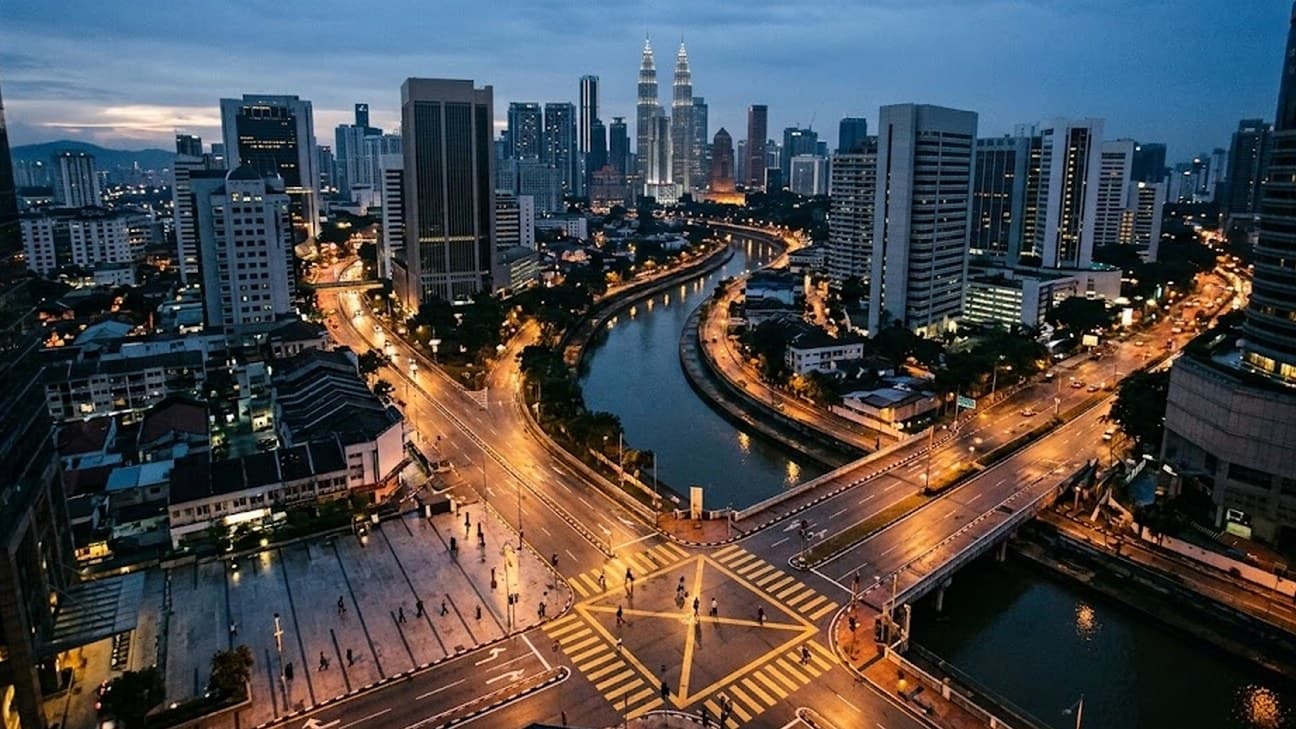
Singapore was ranked the world's most crypto-friendly city in Multipolitan's Crypto Friendly Cities Index 2026, published June 9, outranking established financial centres including London and New York. The index scores cities on regulatory clarity, tax efficiency, institutional infrastructure and real-world adoption, and explicitly weights functioning, live digital-asset infrastructure over policy announcements — citing Singapore's regulated stablecoin framework as an example.
Six of the ten cities in the global top 10 are in Asia-Pacific: alongside Singapore, the list includes Hong Kong, Bangkok, Seoul, Kuala Lumpur and Taipei. That puts three Southeast Asian hubs — Singapore, Bangkok and Kuala Lumpur — among the world's ten highest-ranked, a concentration that tracks the region's run of licensing regimes and stablecoin pilots over the past year.
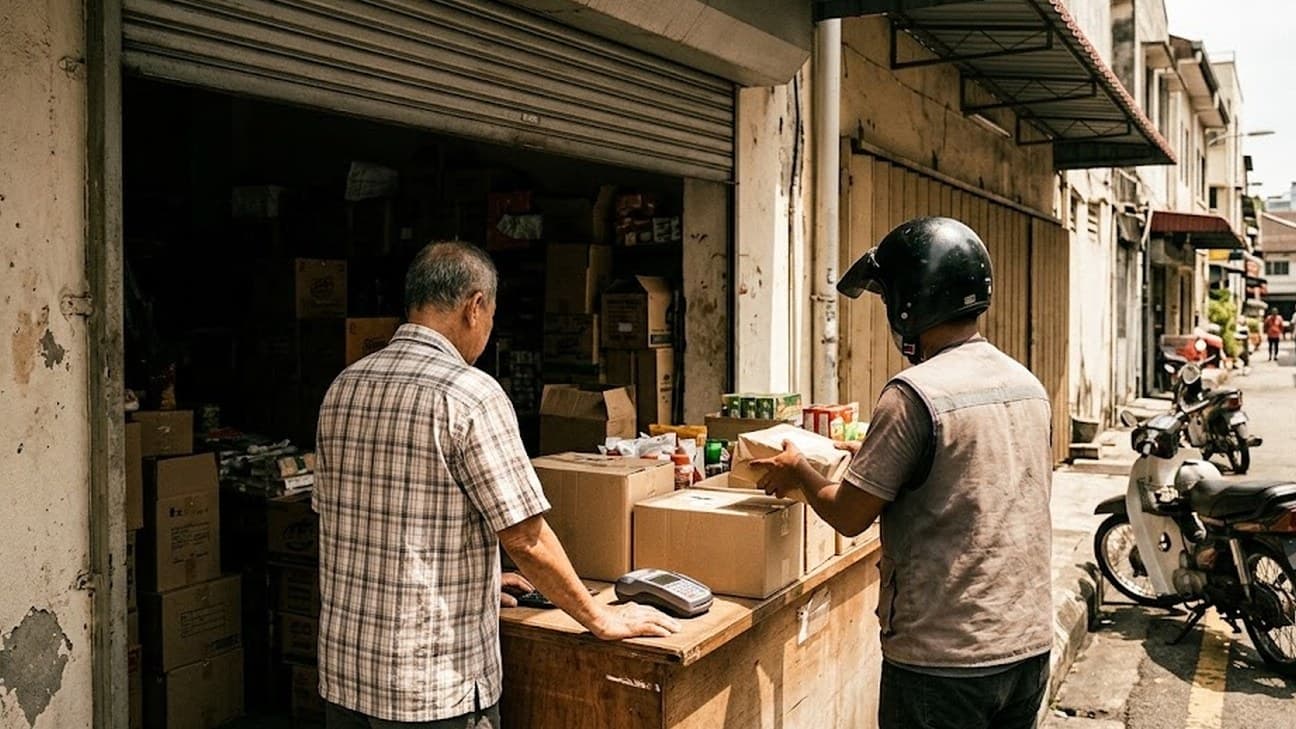
MYEG's Philippine Venture Signs Agreements to Route Four Government Agencies Onto One Digital-Payments Platform
MYEG Philippines, Inc. — the Philippine joint venture tied to Malaysia's MyEG Services and its Zetrix AI blockchain arm — signed a cluster of memoranda of agreement on June 9 to provide digital-payment services to multiple government bodies. The headline deal is a quadripartite MOA with the Professional Regulation Commission, the Bureau of the Treasury and the Land Bank of the Philippines, alongside separate agreements with the Philippine Ports Authority and the Bureau of Fisheries and Aquatic Resources.
The agreements run government fee collection through MYEG Philippines' Electronic Payment and Collection System (EPCS), which the company says reaches roughly 100,000 payment channels nationwide — spanning e-wallets, online bank transfers, card payments and over-the-counter outlets — letting citizens settle various agency fees online.
Eyes on the Day Ahead
With operational hyperscaler capacity now landing in Johor faster than grid and tariff policy can settle, the near-term variable to watch is Malaysia's data-centre electricity framework — whether the RP4 tariff and power-allocation rules keep pace with supply coming online. On the digital-asset side, the index ranking is less a catalyst than confirmation of pipelines already moving: the live gates remain Thailand's baht-stablecoin sandbox intake and Malaysia's tokenization working group, both of which sit in the coming days rather than the next 24 hours. Nothing market-moving is firmly calendared overnight.
Layer 7 Ventures is a research-driven firm focused on AI and cryptocurrency in Southeast Asia. Views expressed are those of the firm and do not constitute investment advice.