DayOne Closes a US$4.5 Billion Series C With Indonesia's Sovereign Fund Inside, the Largest Disclosed Round in the Region's AI-Infrastructure Build-Out
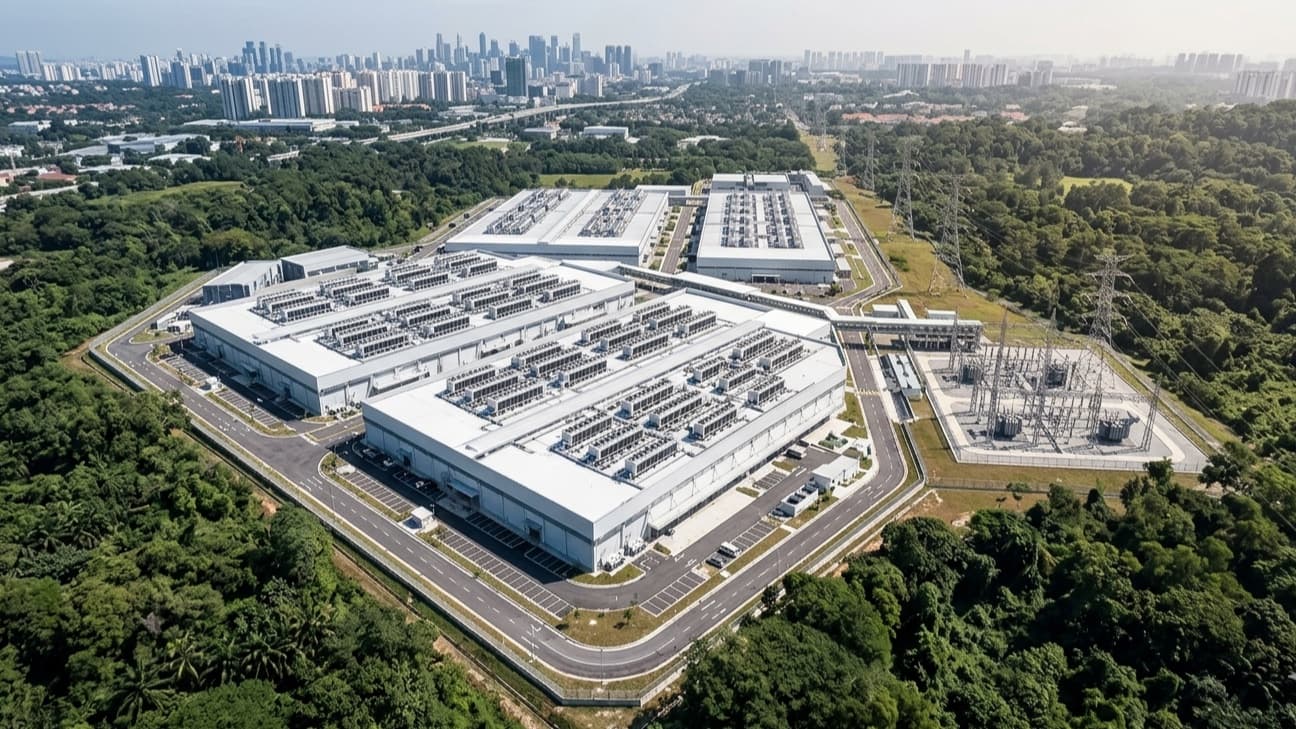
On June 5, Singapore-based DayOne Data Centers announced the final closing of its Series C equity financing with total gross proceeds of US$4.5 billion. The round was led by existing investors Coatue and Hillhouse — now the company's two largest shareholders — with new participants including the Indonesia Investment Authority (INA), Indonesia's sovereign wealth fund, and Achi Capital Partners. The proceeds are earmarked to accelerate expansion across eight markets: Singapore, Malaysia, Indonesia, Thailand, Japan, Hong Kong, Finland and Spain.
DayOne, spun out of Chindata in 2022, has now secured more than 1.5 gigawatts of total capacity bookings across Asia Pacific and Europe, putting it among the largest international hyperscale developers in the region. The round dwarfs the disclosed AI-infrastructure funding tracked across the rest of Southeast Asia and underscores that the build-out is being financed at a scale most regional balance sheets cannot match — through global growth-equity capital paired, increasingly, with sovereign money.
Malaysia Doubles Its Top-Tier Employment Pass Salary Floor to RM20,000 From June 1, Tightening Expat Hiring Into a Semiconductor Talent Gap
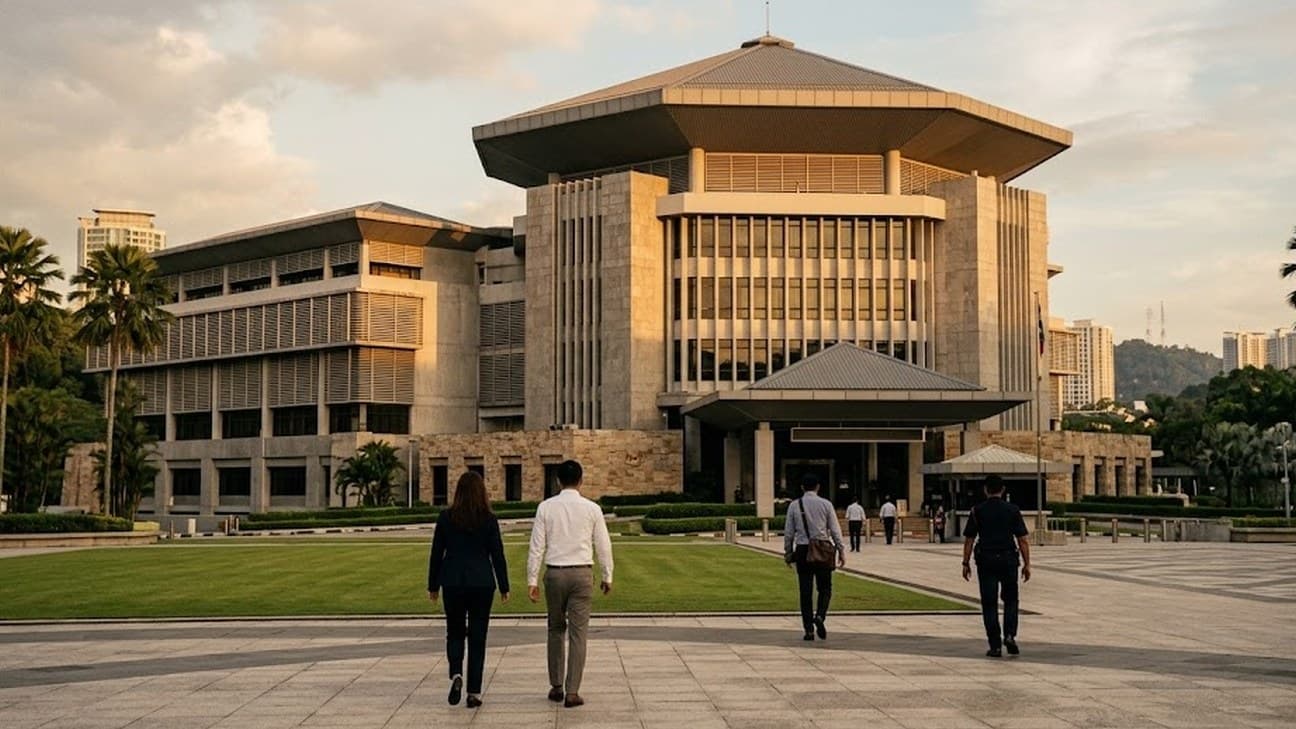
Effective June 1, 2026, Malaysia's revised expatriate salary policy for Employment Pass Categories I, II and III took force, following Cabinet approval on October 17, 2025. The Category I minimum basic salary doubled from RM10,000 to RM20,000 (valid up to 10 years); Category II rose from RM5,000–RM9,999 to RM10,000–RM19,999; and Category III moved from RM3,000–RM4,999 to RM5,000–RM9,999. The thresholds apply to basic salary only — allowances and bonuses do not count — and Categories II and III now require a formal succession plan to train Malaysian replacements. The Immigration Department frames the change as aligning with the Thirteenth Malaysia Plan's goal of reducing reliance on foreign labour.
The timing collides with the country's chip ambitions. According to industry coverage tied to SEMICON Southeast Asia 2026, the semiconductor sector needs roughly 50,000 skilled engineers while Malaysian universities produce around 5,000 a year — a tenfold gap — and the country loses an average 15% of its talent annually to brain drain toward Singapore, Taiwan, the US and Europe. Higher pass thresholds will lift the cost of importing the very engineers the sector is short of, even as they push firms to formalise local-training pipelines.
Indonesia's OJK Pushes Shared Fraud Defences as Digital Payments Hit 14.82 Billion Transactions in Q1, Up 37.69%
On June 6, Indonesia's Financial Services Authority (OJK) warned that strengthening cybersecurity has become an urgent priority as digital transactions scale rapidly. The country recorded 14.82 billion digital-payment transactions in the first quarter of 2026, up 37.69% year on year, according to Bank Indonesia. Tri Herdianto, head of Consumer Legal Advocacy at the OJK, argued that fraud resilience "is no longer just a technical or technological issue, but a key pillar in maintaining public trust."
The regulator flagged two escalating threats: ransomware — it noted that about 94% of 5.2 billion potential cyberattack vulnerabilities in 2025 involved malware capable of mutating into ransomware — and AI-enabled fraud, where criminals use artificial intelligence to mount more sophisticated, harder-to-detect attacks. The OJK called on banks, fintech firms and payment providers to deepen cooperation, invest in advanced fraud-detection systems, and build shared security infrastructure.
Eyes on the Day Ahead
Nothing is hard-docketed in the next 24 hours, so watch the next few days. On Malaysia, track whether the AI Governance Bill — reported to be in final drafting with Cabinet submission targeted for June — surfaces, as it would land on top of the new Employment Pass regime to shape the country's AI operating environment. On DayOne, the question is which of the eight named markets sees the first capital deployment and power deal off the new round, with Malaysia and Indonesia the most likely. And on Indonesia's payments security, watch for the OJK to move from exhortation toward concrete rules or a shared fraud-detection framework as Q1's near-40% transaction growth keeps pressure on the system.
Layer 7 Ventures is a research-driven firm focused on AI and cryptocurrency in Southeast Asia. Views expressed are those of the firm and do not constitute investment advice.