A New York Times Investigation Puts Southeast Asia's Chip-Access Loophole on the US-China Summit Agenda
A New York Times investigation published September 6 found that Inspur Group — a Chinese server maker Washington blacklisted more than three years ago — never stopped sourcing Nvidia's most advanced chips. The reporting traced $5.6 billion in advanced technology moving from Aivres, a nominally independent, California-registered Inspur subsidiary, through Southeast Asia and onward into Chinese hands between April 2024 and February 2026, according to Asia Times. More than $3 billion of that total was computers built around Nvidia's Blackwell-generation chips. Inspur holds only a 33% stake in Aivres, keeping it under the 50% ownership threshold the US Commerce Department's Affiliates Rule uses to trigger export restrictions.
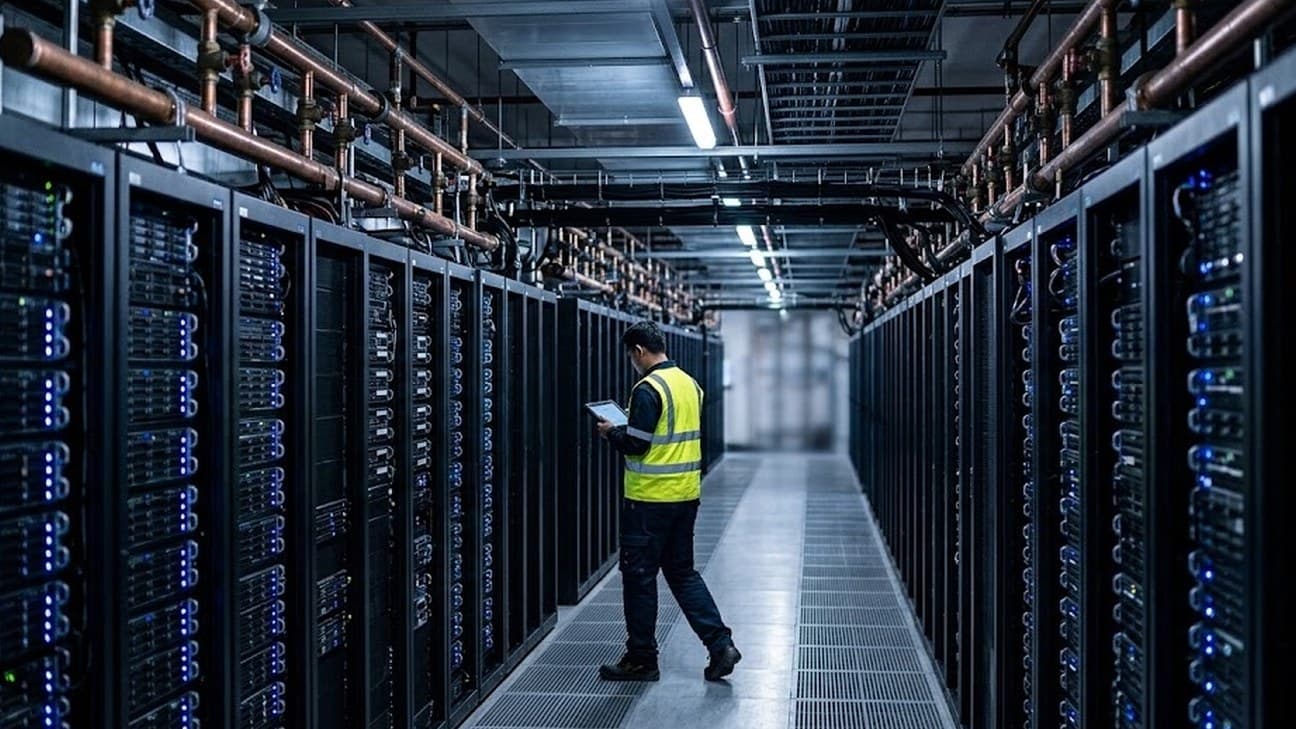
The mechanism doesn't require any chip to physically cross into China: US export controls restrict ownership and transfer of the hardware, not remote access to its computing power. Chinese hyperscalers including ByteDance, Alibaba and Moonshot AI have reportedly rented compute this way from data centres in Thailand and Malaysia, according to earlier reporting from ForkLog — Moonshot AI's Kimi K3 model, built on 2.8 trillion parameters, was reportedly trained in part on Nvidia GB300 processors accessed through a Thai facility, a case White House officials cited publicly in July. The disclosure lands just ahead of a planned mid-September US-China AI summit led by Treasury Secretary Scott Bessent, where continued Southeast Asian cloud access to Nvidia GPUs for Chinese firms is expected to be a central issue. The House already passed the Remote Access Security Act 369-22 in January, which would require export licenses for remote access to controlled US technology through cloud services; the companion Chip Security Act remains pending.
PwC Forecasts $1.29 Trillion in Southeast Asian Data-Centre Investment Through 2050, With Malaysia as Singapore's Overflow Campus
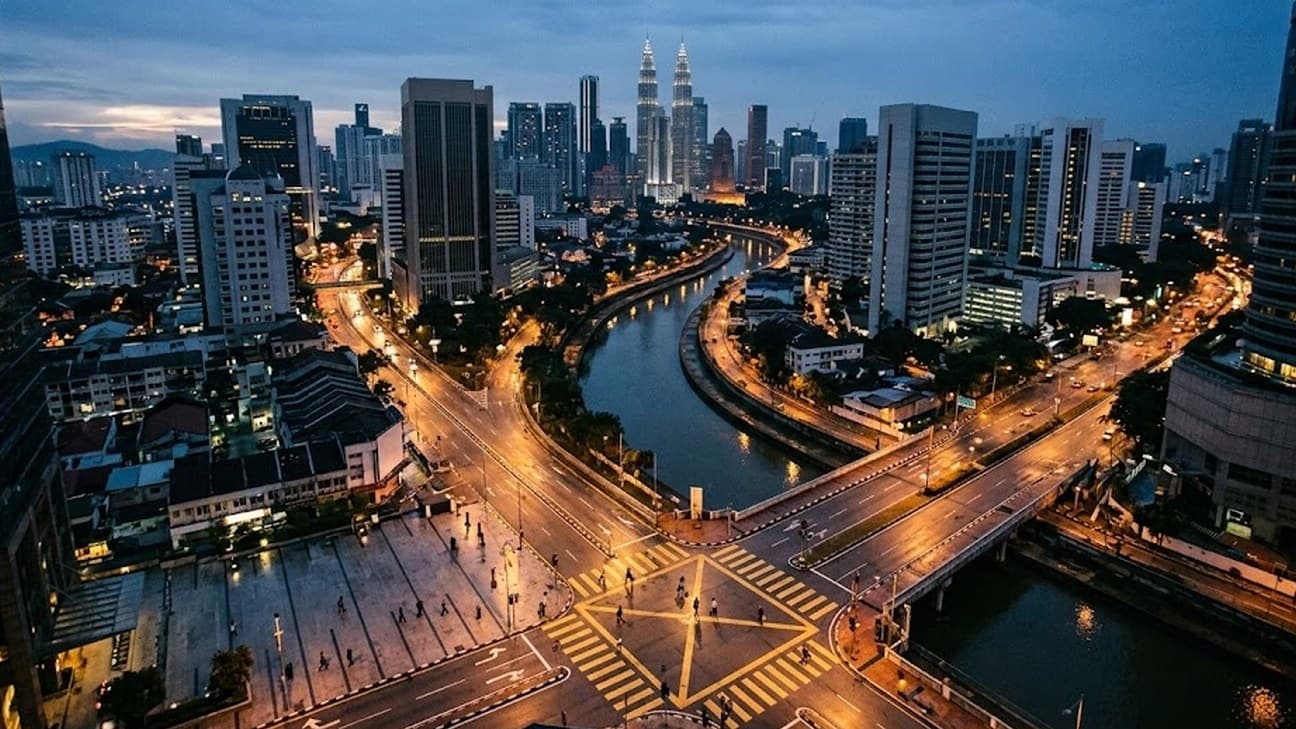
PwC forecast on September 9 that cumulative data-centre investment across Singapore, Malaysia, Indonesia, the Philippines, Thailand and Vietnam will reach approximately $1.29 trillion between 2026 and 2050, according to Malay Mail and TechNode Global. Regional annual investment is projected to rise from roughly $36 billion in 2026 to $69.7 billion by 2050. Singapore alone accounts for about a quarter of that total, with its own annual investment climbing from about $7 billion this year to $19.2 billion by 2050 — a cumulative $330 billion, growing at roughly 4.3% a year.
PwC's breakdown shows the composition shifting toward equipment over construction as facilities mature: Singapore's 2026 spend splits roughly $5 billion on ICT equipment and $2 billion on construction, while by 2050 the equipment line grows to $16.6 billion against $2.5 billion in construction — reflecting the firm's broader finding that every $1 of data-centre construction spending tends to pull in roughly $12 of follow-on ICT equipment investment. PwC frames Malaysia and Singapore as increasingly functioning as a single connected cluster, with Singapore supplying density, connectivity and capital while Malaysian sites absorb the larger, more power-intensive campuses that don't fit Singapore's land and power constraints.
DBS and Citi Clear a Real Weekend Cross-Border USD Payment Using Tokenised Deposits
DBS and Citi completed a cross-border USD payment between Singapore and New York on Saturday, September 5 — the first such transaction the two banks have settled over a weekend — using tokenised deposits coordinated through Swift's Digital Ledger, according to DBS's own announcement and Fintech News Singapore. The payment, processed through Citi's New York office, settled in minutes, compared with the up to two business days a conventional correspondent-banking transfer would take once time-zone gaps and weekend closures are factored in.
DBS Chief Operating Officer Rachel Chew said businesses "need to move money more quickly and efficiently across borders to stay competitive," while Citi's Mridula Iyer said "always-on cross-border payments are already a reality." DBS cited its own data that roughly half of finance leaders are now exploring blockchain capabilities for liquidity and FX management, and pointed to projections that Asia's outbound cross-border payment flows will reach $24 trillion by 2033, up from $13.5 trillion in 2025.
Eyes on the Week Ahead
The US-China AI summit led by Treasury Secretary Scott Bessent is expected mid-September, with Southeast Asian data centres' role in Chinese firms' remote Nvidia chip access likely on the agenda — any joint statement or unilateral US action on remote-access licensing would directly affect hyperscaler siting decisions in Thailand and Malaysia. Malaysia's MIDA also hosts its Data Centre Nexus 2026 conference in Kuala Lumpur on September 14, where more than 400 policymakers and hyperscalers are expected to discuss the country's compute and connectivity pipeline — a natural venue for either government reassurance or new disclosure on the chip-access question.
Layer 7 Ventures is a research-driven firm focused on AI and cryptocurrency in Southeast Asia. Views expressed are those of the firm and do not constitute investment advice.