Malaysia Suspends MyEG and Zetrix AI as JPJ Collection Agents Over RM314 Million in Unremitted Revenue
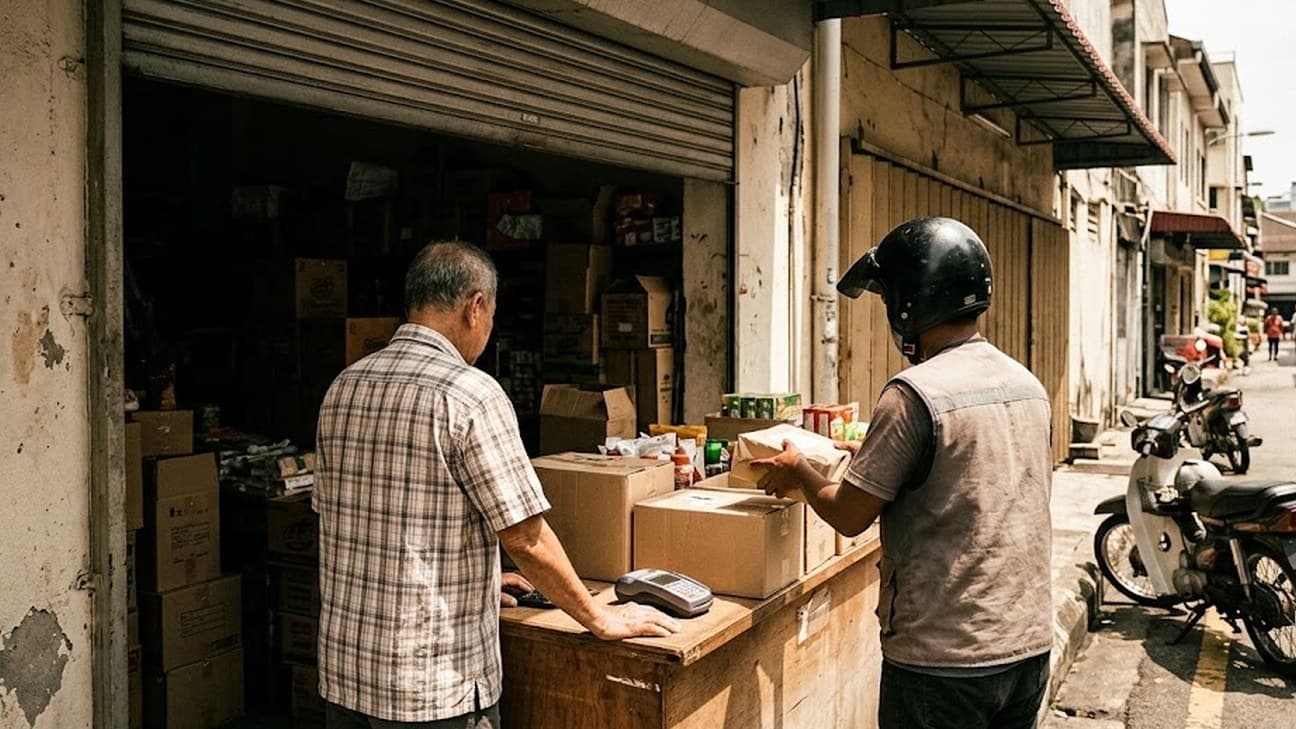
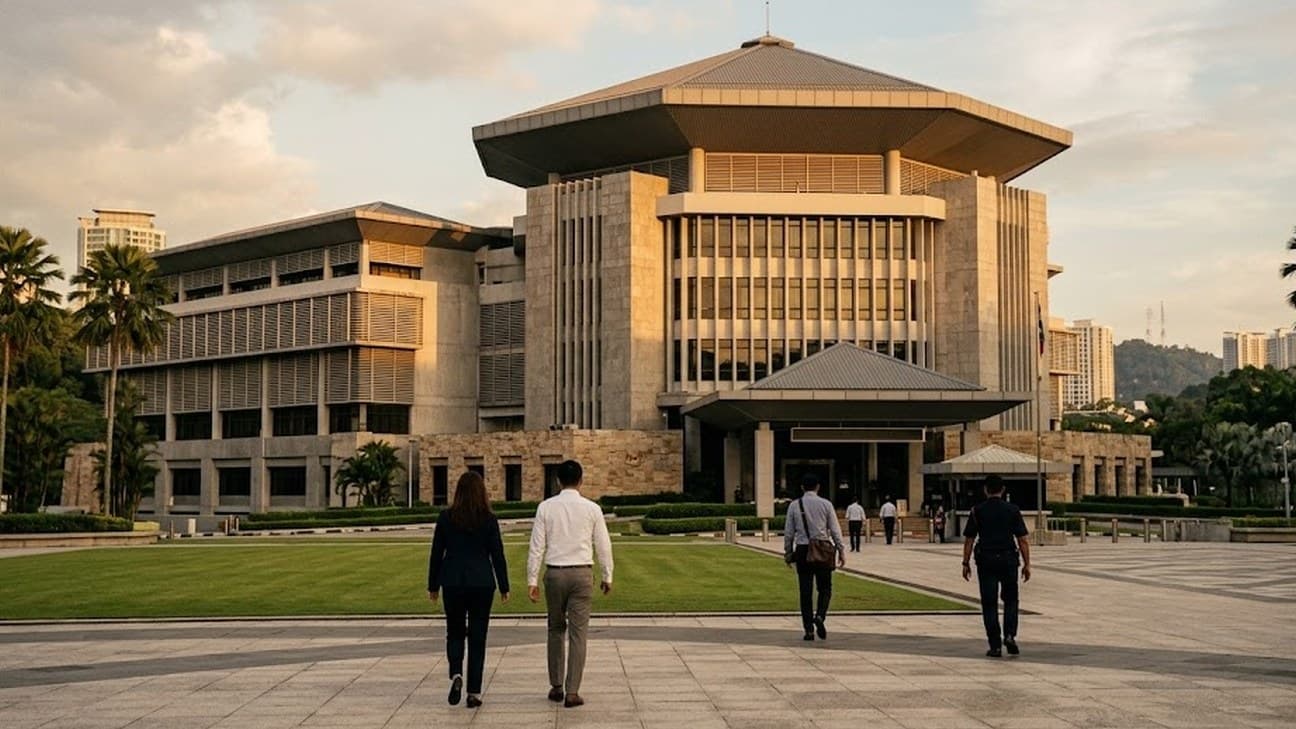
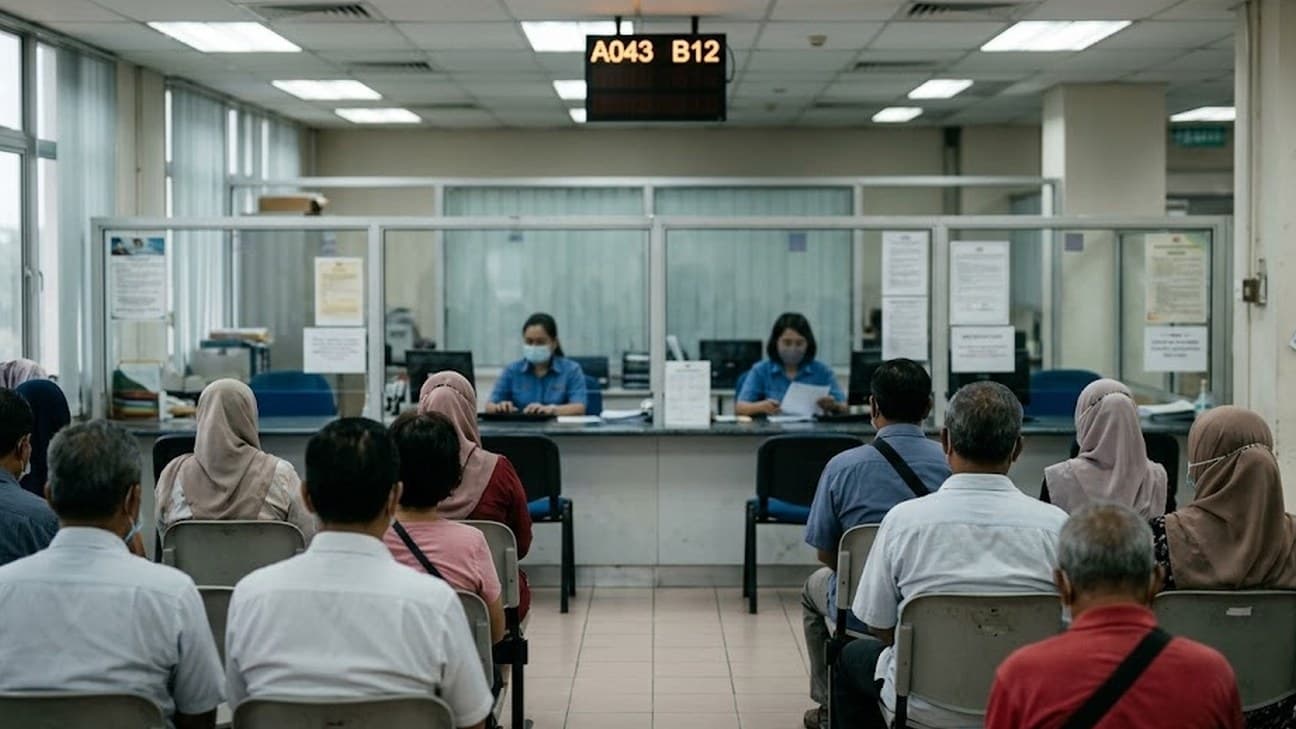
Malaysia's Road Transport Department (JPJ) announced on October 2 that services provided by MyEG Sdn Bhd and Zetrix AI Bhd as its collection agents would be suspended from 12.01am on October 5, according to Bernama. Transport Minister Anthony Loke told a Putrajaya press conference that the companies failed to remit RM314 million in revenue collected between May 19 and September 30, 2026, despite 35 reminders and engagement by authorities since May.
Bernama also reports that MyEG issued a RM231 million cheque dated September 30 that the bank did not process on the company's own instructions. Loke rejected suggestions of a political motive, saying "My role here is to treat every company, every agent the same" and "The fact is, there is an outstanding amount," per The Star. Zetrix AI, the listed group formerly known as MY E.G. Services Berhad, said it has submitted a proposed solution to the government and that its priority is settling the obligations and restoring the services, subject to approvals. Its shares closed 5 sen, or 43.48%, lower at 6.5 sen on October 5.
The financial detail is still moving. Fintech News Malaysia reports that Zetrix AI has said the arrears were recognised as a payable in its second-quarter balance sheet, will also appear in third-quarter results, and will temporarily reduce fourth-quarter revenue and profit from JPJ services, which have ceased until further notice. The company has not quantified that impact or given a resolution timeline, and says discussions with JPJ on a proposed solution framework are ongoing.
SoftBank, Grab and PETROS Sign a Framework Agreement to Explore AI Infrastructure in Sarawak
SoftBank Group, Grab Holdings and Petroleum Sarawak Bhd (PETROS) signed a Framework Agreement to explore developing an AI and digital infrastructure platform in Sarawak, TNGlobal reports in an article dated October 9 that places the signing on Thursday. The signatories named are SoftBank chairman and CEO Masayoshi Son, Grab group chairman and CEO Anthony Tan, and PETROS group CEO Janin Girie.
The parties will develop a roadmap for phased development and explore the wider AI value chain, including AI compute and services, robotics, advanced technologies and local workforce development. SoftBank is bringing AI infrastructure, advanced computing and semiconductors expertise; Grab its Southeast Asian ecosystem and applied AI; and PETROS its experience using Sarawak's energy resources for economic development, including the Sarawak Gas Roadmap and its role as master developer of the Kuching Low-Carbon Hub.
What the article does not contain is as important as what it does. There are no investment amounts, no capacity figures, no timeline, and no statement on whether the agreement is binding. The report frames the arrangement as an exploration, tied to Sarawak's goal of high-income status by 2030.
GCash Owner Mynt Prices Its IPO at PHP 6.60, a Roughly PHP 53 Billion Test for Philippine Equity Markets
Mynt, the operator of GCash, set its final IPO price at PHP 6.60 per share, below the top of the previously indicated range, according to TNGlobal. The firm offer is 8,027,409,600 shares for about PHP 53 billion, with an overallotment option of up to 1,204,111,400 secondary shares that would lift proceeds to about PHP 60.9 billion if fully exercised. Shares are due to list on the main board of the Philippine Stock Exchange under the ticker GCASH on October 20; the retail and trading-participant offer runs October 6 to 12, subject to an SEC permit to sell.
Mynt said the institutional bookbuild was multiple times oversubscribed, with demand exceeding cornerstone commitments of PHP 36.5 billion. DealStreetAsia, citing Reuters, lists the foreign cornerstones as including Capital Research and Management, Citadel Multi-Strategy Equities Master Fund, FIL Investment Management (Hong Kong), HSBC Global Asset Management, the International Finance Corporation and Lazard Asset Management, alongside domestic buyers ATRAM, BPI Asset Management and China Bank Capital. Per the prospectus as cited by Reuters, H1 2026 net income rose 7.3% to PHP 10.82 billion and revenue rose 10.4% to PHP 43.27 billion.
The backdrop is thin. Philippine share sales raised $227.1 million in 2026 through September 29, down 71% from a year earlier, per LSEG data cited by Reuters. Mynt itself cautioned that pricing "does not by itself complete the listing," and that the timetable remains subject to regulatory approvals and market conditions.
AMRO Models a 1.5-Point Hit to 2027 ASEAN+3 Growth If AI Demand Slows
The ASEAN+3 Macroeconomic Research Office (AMRO) warned on October 5, in its financial stability report and updated regional outlook, that a sharp correction in AI-related financial assets could spill over to the broader financial system, according to The Nation Thailand. Its adverse scenario assumes US technology investment, used as a proxy for global AI demand, still grows but at its 2024 pace. That would cut 2027 ASEAN+3 growth by 1.5 percentage points, from a 4.1% baseline to 2.6%, which AMRO rates as the most severe adverse case it assessed.
AMRO estimates the region accounts for about two-thirds of the growth in global AI-related trade, the basis for describing it as particularly exposed. It also flagged a separate risk from prolonged shipping disruption in the Strait of Hormuz, which could subtract a further 0.6 percentage points, and El Niño-linked weather disruption.
The tone was measured. AMRO group head and lead economist Runchana Pongsaparn said at the briefing: "There are some warning signals, but we would say that they are not grave yet." The Nation's report gives figures for the ASEAN+3 grouping as a whole, not a breakdown by individual Southeast Asian economy, and singles out South Korea's AI-concentrated stock market as especially exposed.
Eyes on the Week Ahead
The GCash retail and trading-participant offer closes October 12, ahead of the October 20 listing. Singapore's MAS consultation on proposed Payment Services Act amendments for stablecoins, including a 100% reserve requirement and a ban on interest, closes October 16, so watch for industry submissions from exchanges and banks active in the region.
In Malaysia, the open items are whether Zetrix AI and JPJ agree a settlement figure and a resumption date, and the group's third-quarter results, which will show how the arrears are carried.
Layer 7 Ventures is a research-driven firm focused on AI and cryptocurrency in Southeast Asia. Views expressed are those of the firm and do not constitute investment advice.