Anthropic Traces a Turkish Firm's AI-Driven Influence Operation Targeting Malaysian Voters
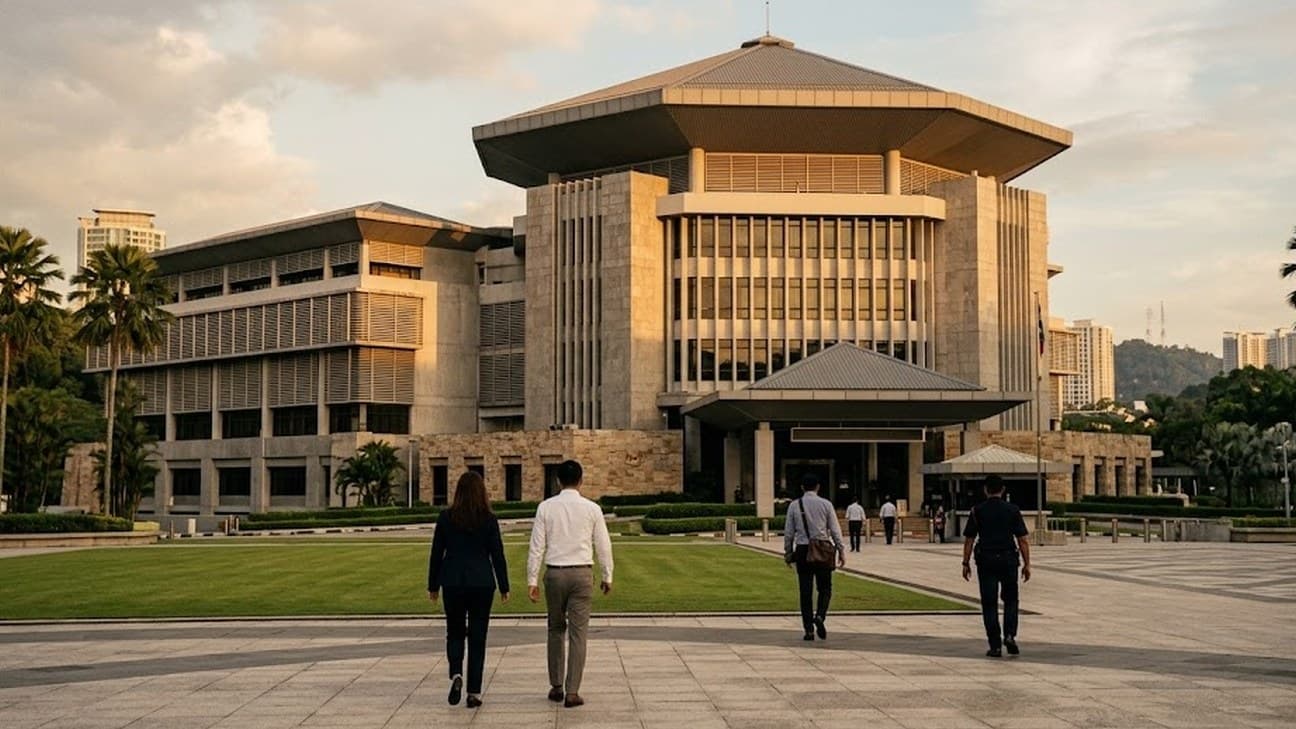
Anthropic's September 2026 threat intelligence report disclosed that it disrupted an influence operation run by Istanbul-based BBS Bilisim Teknolojileri, which marketed a "military-grade, AI-driven, real-time political operations ecosystem" as a paid influence-as-a-service platform, according to Anthropic and Malaysiakini. The operators fed real Malaysian census and electoral data into Claude to build micro-targeting profiles across the country's 222 parliamentary constituencies along racial, religious and royalty fault lines, and used Claude Code to build dashboards managing a network of more than 1,000 fake X accounts.
The operation generated fabricated intelligence dossiers spreading false allegations against opposition politicians and civil-society groups, ran a fake news outlet called Malaysia Pulse that had Claude rewrite scraped news and unattributed Russian and Chinese state-media content, and at one point requested one million artificial views for the sitting prime minister's account. Anthropic said activity was concentrated in May and June 2026, ahead of the Johor (July 11) and Negeri Sembilan (August 1) state elections, and found no evidence the operation meaningfully altered outcomes. Malaysia's communications regulator, MCMC, said it "does not engage in activities or arrangements described in Anthropic's report" but would investigate further; Umno information chief Azalina Othman Said separately called for a probe into who financed the operation and who it served.
Singapore's Anti-Scam Bill Proposes Caning and S$10 Million Platform Fines
Singapore's Scams (Countermeasures) and Other Matters Bill was debated in Parliament on September 8, proposing fines of up to S$10 million for designated online services — including WhatsApp, Telegram, WeChat, Apple, Google, Carousell, Facebook, Instagram and TikTok — that breach anti-scam requirements, plus a further S$300,000 daily fine for continued non-compliance after conviction, according to Fintech News Singapore. The bill separately proposes prison terms of up to three years (five for repeat offenders) and up to 12 strokes of the cane for individuals who knowingly facilitate scams, such as by supplying bank accounts or SIM cards to scam operators.
The bill cites roughly 90 scam cases and S$2 million in losses per day; reported cases fell 14.4% to about 16,800 in H1 2026 and losses fell 17.9% to roughly S$411 million, with about 90% of H1 cases involving an online platform. The legislation had not passed as of the September 8 debate.
DBS, OCBC and UOB Clear Singapore's First Domestic Interbank Tokenised-Deposit Payments
DBS, OCBC and UOB completed Singapore's first live SGD interbank payments using bank-issued tokenised deposits on September 11, coordinating messages across each bank's separate tokenised-deposit systems over Swift's blockchain-based ledger, according to Fintech News Singapore. Tokenised deposits are digital representations of ordinary bank deposits that support round-the-clock settlement beyond standard banking hours.
The transactions demonstrate domestic multi-bank interoperability rather than a single bilateral link — a step beyond the cross-border US-dollar tokenised-deposit pilots DBS and OCBC have separately run with Citi. DBS's Rachel Chew said the pilots prove clients can transact "any time, any day, including over a weekend."
Eyes on the Day Ahead
Watch for further Malaysian political and regulatory reaction to the Anthropic report — MCMC has said it will investigate, and opposition and coalition figures alike are calling for attribution of financing and intent. Singapore's Scams (Countermeasures) Bill has not yet had its final reading; the designated-services list and effective penalty dates are worth tracking as it moves through Parliament in the coming weeks.
Layer 7 Ventures is a research-driven firm focused on AI and cryptocurrency in Southeast Asia. Views expressed are those of the firm and do not constitute investment advice.