Vietnam's Crypto Penalty Regime Takes Effect With No Licensed Exchange Yet
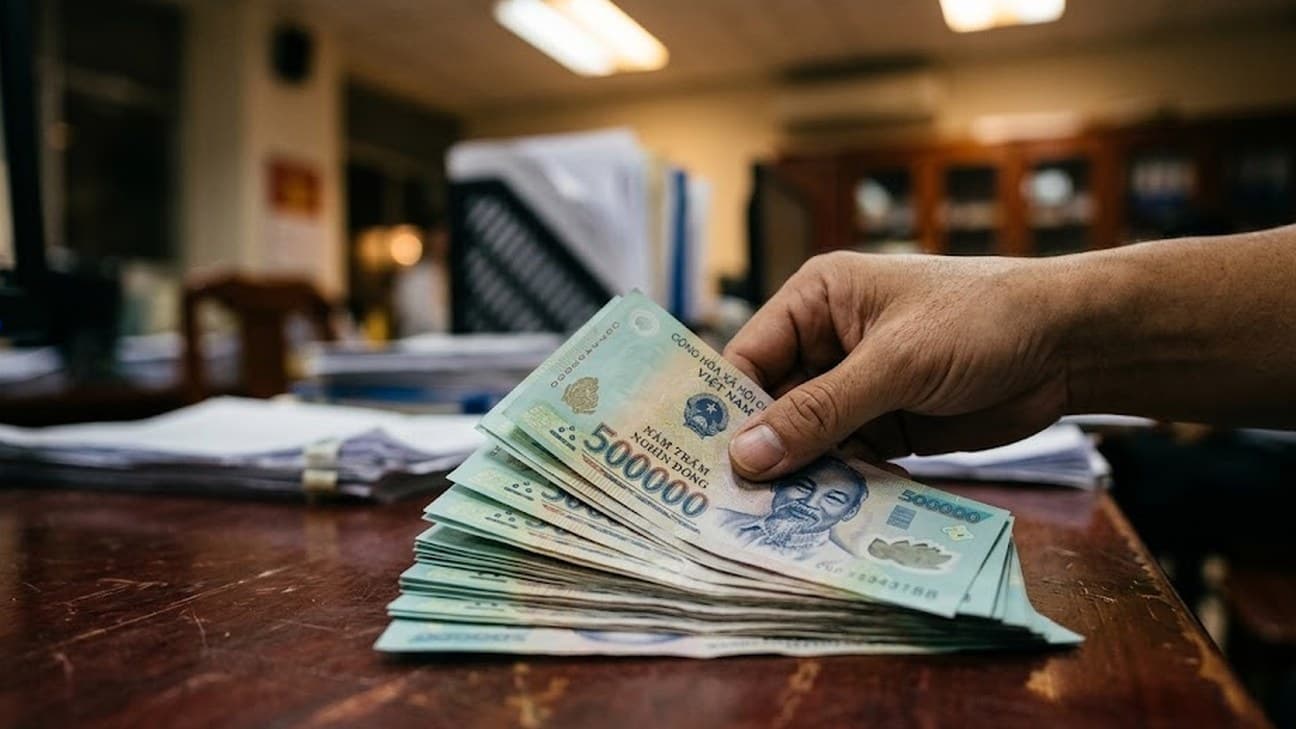
Decree 284/2026/ND-CP entered into force today, September 1, establishing Vietnam's first administrative penalty framework for crypto-asset violations under Resolution 05/2025's five-year pilot program. Individual investors trading through unlicensed platforms face fines of VND 30-50 million (up to roughly $1,900); trading assets restricted to foreign investors carries a steeper VND 70-100 million penalty. Unlicensed service providers face the harshest tier — VND 180-200 million for operating or marketing without authorization — while crypto issuers can be fined VND 150-200 million for offering to ineligible investors or failing prospectus requirements.
The decree takes effect with an unresolved gap: the Ministry of Finance has yet to approve a single licensed exchange. Five firms — VIX Crypto Assets Exchange, Loc Phat Vietnam, Vietnam Prosperity Crypto Assets Exchange, Techcom Crypto Assets Exchange and Vietnam Digital Assets — cleared an initial review on August 30, but still face Level 4 information-security requirements and a VND 10 trillion (~$383 million) minimum paid-in capital bar, with at least 65% of that capital required from institutional shareholders. Under Resolution 05/2025, domestic investors get a six-month transition period before they must move to licensed platforms — but that clock only starts once the first license is actually issued, which has not happened. Vietnamese investors conducted more than $200 billion in crypto transactions in the twelve months through June 2026, the large majority through offshore platforms.
Singapore Proposes 100% Reserves and a Ban on Yield for Regulated Stablecoin Issuers
The Monetary Authority of Singapore opened public consultation on amendments to the Payment Services Act 2019 that would create a dedicated licensing framework for stablecoin issuers seeking the "MAS-regulated" label. Issuers would need to maintain reserves sufficient to preserve full value stability, safeguard customer funds before issuing corresponding tokens, guarantee redemption at face value, and run regular stress tests alongside prepared recovery and wind-down plans. The framework covers single-currency stablecoins pegged to the Singapore dollar or G10 currencies. The consultation closes October 16, 2026.
A central plank of the proposal bars regulated issuers from paying interest, yield or other returns tied to holding the tokens — a deliberate move MAS says keeps stablecoins functioning as a payment instrument rather than an investment or savings product. Redemption at face value is guaranteed for holders, and the reserve and custody requirements apply specifically to issuers seeking the formal "MAS-regulated stablecoin" designation, rather than to every token circulating in Singapore.
Malaysia Adds RM1 Billion to SME Microfinancing and Triples the E-Invoicing Exemption Threshold
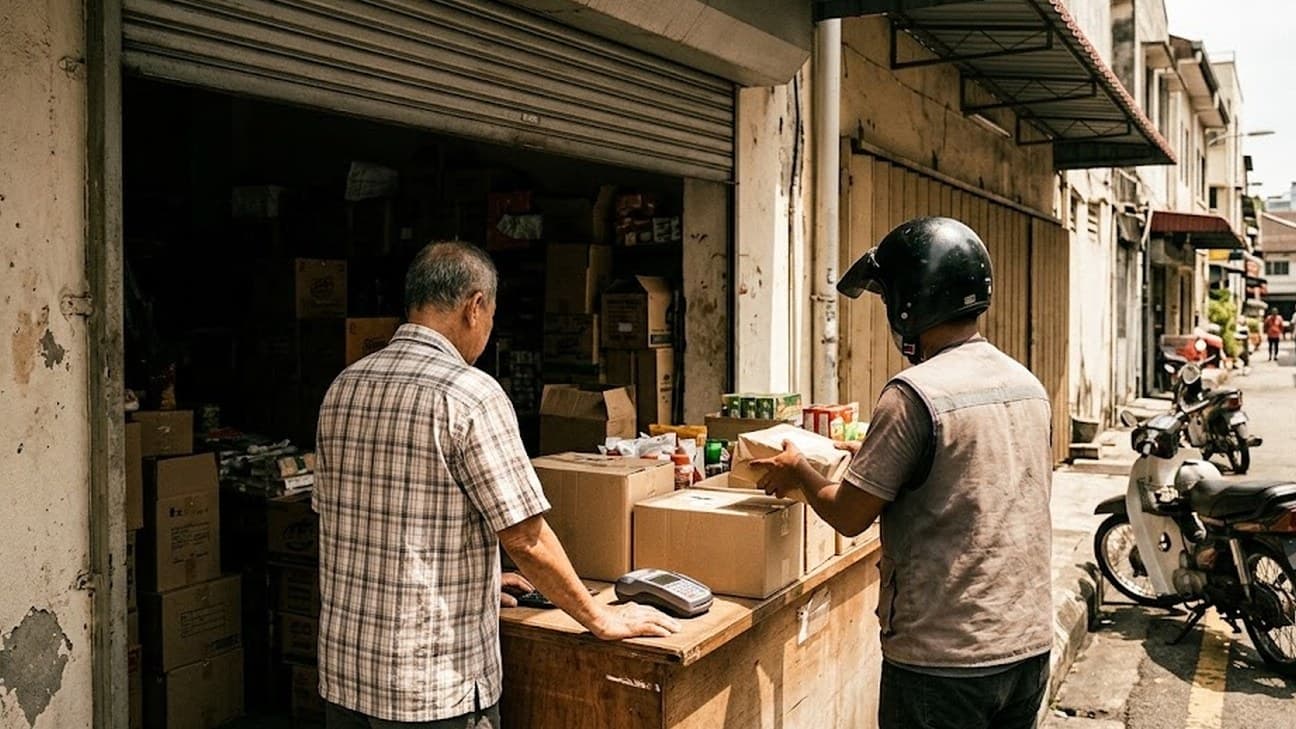
Prime Minister and Finance Minister Anwar Ibrahim announced on August 30 that Malaysia would add RM1 billion to 2026 microfinancing allocations, lifting the total to RM6 billion, with funds channeled through Bank Rakyat, Amanah Ikhtiar Malaysia and TEKUN Nasional to help small businesses manage rising operational costs. Both the funding increase and a separate measure raising the e-invoicing exemption threshold — from RM1 million to RM3 million in annual sales — took effect today, September 1.
According to Finance Ministry data cited by Minister Steven Sim, the revised e-invoicing threshold will cover more than one million MSMEs, exempting a substantially larger share of small businesses from the compliance requirement while Malaysia continues phasing in e-invoicing for larger taxpayers.
Eyes on the Day Ahead
The Ministry of Finance has not named a date for Vietnam's first crypto exchange license — the approval that starts the six-month investor transition clock under Resolution 05/2025 — so market watchers should treat any announcement naming a first licensee among the five reviewed firms as the real inflection point, not today's decree. Singapore's MAS stablecoin consultation remains open for comment through October 16.
Layer 7 Ventures is a research-driven firm focused on AI and cryptocurrency in Southeast Asia. Views expressed are those of the firm and do not constitute investment advice.