Bursa Malaysia Lifts Its 2026 IPO Target to RM34 Billion on a Stronger First Half
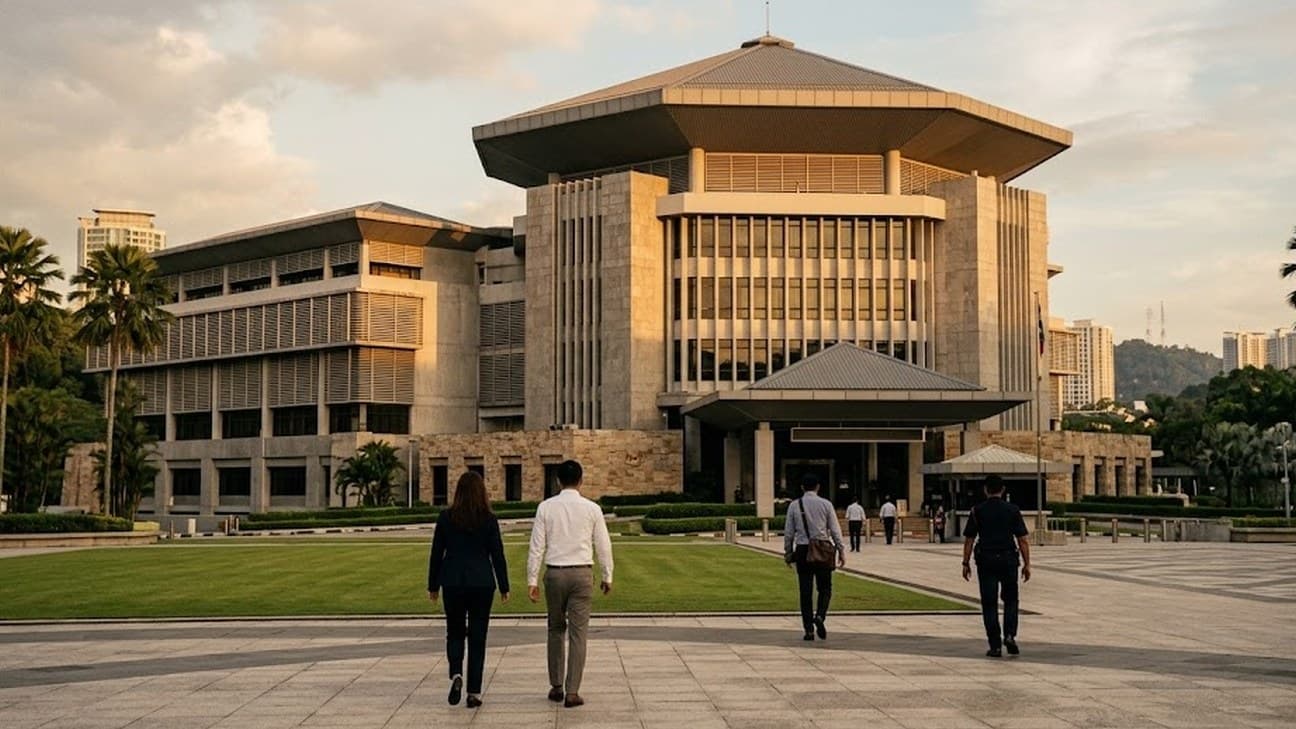
Bursa Malaysia posted a second-quarter net profit of RM71.78 million, up 25.8% from RM57.06 million a year earlier, on revenue of RM210.97 million. For the first half, net profit came in at RM144.61 million (+15.2% YoY) on revenue of RM425.04 million (+19.1% YoY), with average daily trading value up 35% to RM3.3 billion. The exchange declared an interim dividend of 16.5 sen per share, a payout ratio of 92%, payable August 27 to shareholders on the register as of August 19.
The IPO pipeline drove much of the upgrade in tone: 36 new listings across the Main, ACE and LEAP markets raised RM5.4 billion in the first half and added RM26.1 billion in market capitalisation. On the back of that, Bursa raised its full-year 2026 IPO market-cap target from RM28 billion to RM34 billion, with chief executive Fad'l Mohamed citing sustained issuer interest from healthcare, consumer and technology sectors and one or two large listings still expected before year-end.
The Philippines' SEC Puts Corporate Filings on a Blockchain With Its New VERITAS Platform
The Philippine Securities and Exchange Commission signed Memorandum Circular No. 23, Series of 2026 on July 27, formalising guidelines for VERITAS — the Verification of Electronic Records and Information Trust and Authentication System. The platform lets credentialed incorporators, directors, officers and authorised representatives digitally sign corporate filings, including articles of incorporation and by-laws, on a blockchain-based ledger integrated with the SEC's existing eSECURE digital-identity system and eSAP submission portal.
Documents signed through VERITAS use public-key cryptography and cryptographic hashing, appended with Philippine National Public Key Infrastructure certificates and QR codes for verification. Under the SEC's guidelines, a VERITAS-signed filing carries "the same legal force and enforceability as signed and notarized physical documents" under the Electronic Commerce Act. Use of the platform is optional and free of charge for now — the existing PNPKI-based authentication route through eSAP remains available in parallel, and the SEC reserves the right to mandate VERITAS for specific filing types after further consultation.
Indonesia's OJK Pitches Asset Tokenization as a Financing Bridge for Eastern Indonesia's SMEs
Speaking at a Focus Group Discussion on eastern Indonesia SME development in Makassar on July 27, OJK's head of fintech, digital financial asset and crypto asset supervision, Adi Budiarso, laid out a case for using real-world-asset tokenization to widen financing access for small businesses in the region. He named specific use cases: tokenized rice warehouse receipts, cocoa production, commodity purchase contracts and regional infrastructure financing — aimed at farmers, fishermen, processors, distributors and exporters rather than at trading desks.
The pitch builds on business models that have already graduated from OJK's regulatory sandbox, including gold tokenization, government debt securities tokenization structured through fund-management contracts, tokenized property-ownership benefits, rupiah-denominated stablecoin issuance and non-trading digital-asset custody services. OJK framed the eastern Indonesia push as part of a broader financial-digitalisation and inclusion agenda, distinct from its parallel work on a 2026-2031 crypto and digital-asset regulatory roadmap.
Eyes on the Day Ahead
Securities Commission Malaysia's consultation on revised corporate governance guidelines closes today, July 31 — any extension or summary of feedback would be the first concrete follow-through. Looking slightly further out, Vietnam's Ministry of Finance is still reviewing capital thresholds for the five shortlisted digital-asset exchanges ahead of the government's targeted Q3 2026 launch of a regulated crypto trading market, with only one applicant currently confirmed to have met the VND10 trillion capital bar.
Layer 7 Ventures is a research-driven firm focused on AI and cryptocurrency in Southeast Asia. Views expressed are those of the firm and do not constitute investment advice.