US Section 301 Tariffs Split Southeast Asia Into Two Tiers, With Technology Exempted
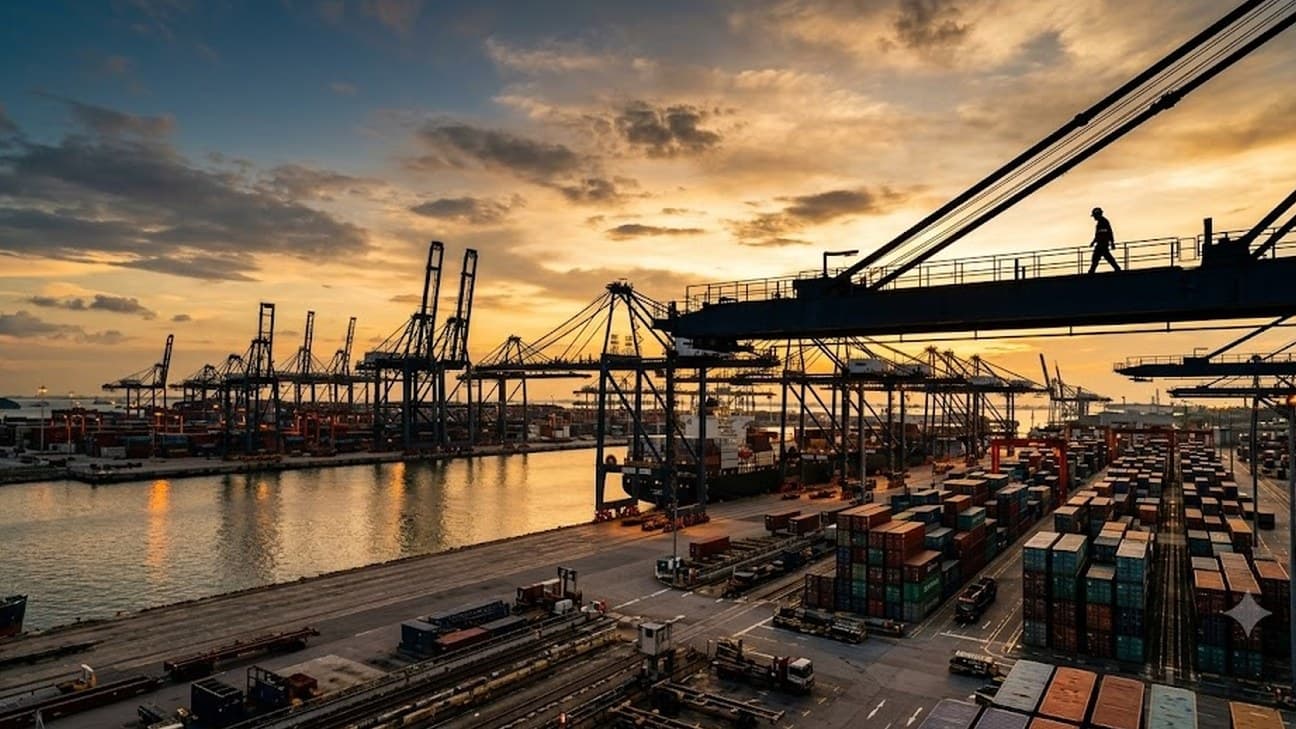
The Office of the US Trade Representative finalized Section 301 tariffs across 60 economies on July 23 US time, and the duties took effect the following day, July 24. Seven Southeast Asian economies were affected, split into two tiers based on whether they signed bilateral trade agreements with the US and adopted forced-labor import prohibitions: Malaysia, Cambodia, and Indonesia face a 10% additional duty, while Vietnam, Thailand, the Philippines, and Singapore — which did not enter those agreements — face 12.5%.
Technology products received blanket exemptions across all 60 economies, including smartphones, laptops, desktop computers, semiconductors, electronic integrated circuits, and base stations. The USTR noted these products "may not contribute substantially" to the trade practices the tariffs target. Vanadium compounds used in AI data-centre energy storage, civil aircraft, pharmaceuticals, and humanitarian goods were also exempted. The action followed a review of more than 1,600 written comments and a three-day public hearing.
Indonesia's GoTo-Backed Bank Jago Posts a 54% Jump in Q2 Net Profit
Bank Jago, the Indonesia-listed digital bank backed by GoTo, reported second-quarter net profit of 103 billion rupiah, up 54% year-on-year from 67 billion rupiah, driven by stronger lending and deposit growth. Interest income rose 30% to 1.04 trillion rupiah, net interest income climbed 33% to 763 billion rupiah, and total loans grew 24% to 26.6 trillion rupiah at the end of June. Total assets rose 28% to 41.4 trillion rupiah, while non-performing loans held at a low 0.8%.
The bank credited its integration with investment platforms Bibit and Stockbit for continued customer acquisition, with more than 3.6 million Jago App users now connected to the two applications. First-half net profit reached 189.1 billion rupiah ($10.5 million), up 49% year-on-year, on a customer base that expanded to 20.1 million accounts.
Coinbase Doubles Down on Singapore, Growing Headcount to 200 Even as It Cuts Staff Elsewhere
Coinbase opened a new Singapore office at One Raffles Quay on July 22 and confirmed plans to grow its local workforce from roughly 150 to 200 employees by the end of 2026 — about 50 new roles concentrated in engineering, customer service, relationship management, and institutional sales. Singapore country director Hassan Ahmed cited "growing adoption of digital assets and stablecoins across Asia, alongside stronger interest from accredited and institutional investors" as the driver, alongside the city-state's regulatory framework and capital access.
The expansion stands in contrast to Coinbase's global trajectory: the exchange cut approximately 14% of its worldwide workforce in May 2026 as a cost-management measure, with leadership emphasizing a greater focus on AI capabilities. Coinbase has held a Major Payment Institution licence from the Monetary Authority of Singapore since October 2023 and is separately involved in the XSGD stablecoin and AI agent wallet exploration.
Eyes on the Day Ahead
Nothing concrete is scheduled in the next 24-48 hours, so looking instead to the coming week: the ASEAN Tech Summit Manila opens July 28-29, followed immediately by Malaysia Blockchain Week on July 29-30 in Kuala Lumpur — a back-to-back stretch that will set the region's policy and capital-markets tone heading into August.
Layer 7 Ventures is a research-driven firm focused on AI and cryptocurrency in Southeast Asia. Views expressed are those of the firm and do not constitute investment advice.