Malaysia's Prime Minister Ships a WhatsApp AI Avatar of Himself — and It Buckles Under Load
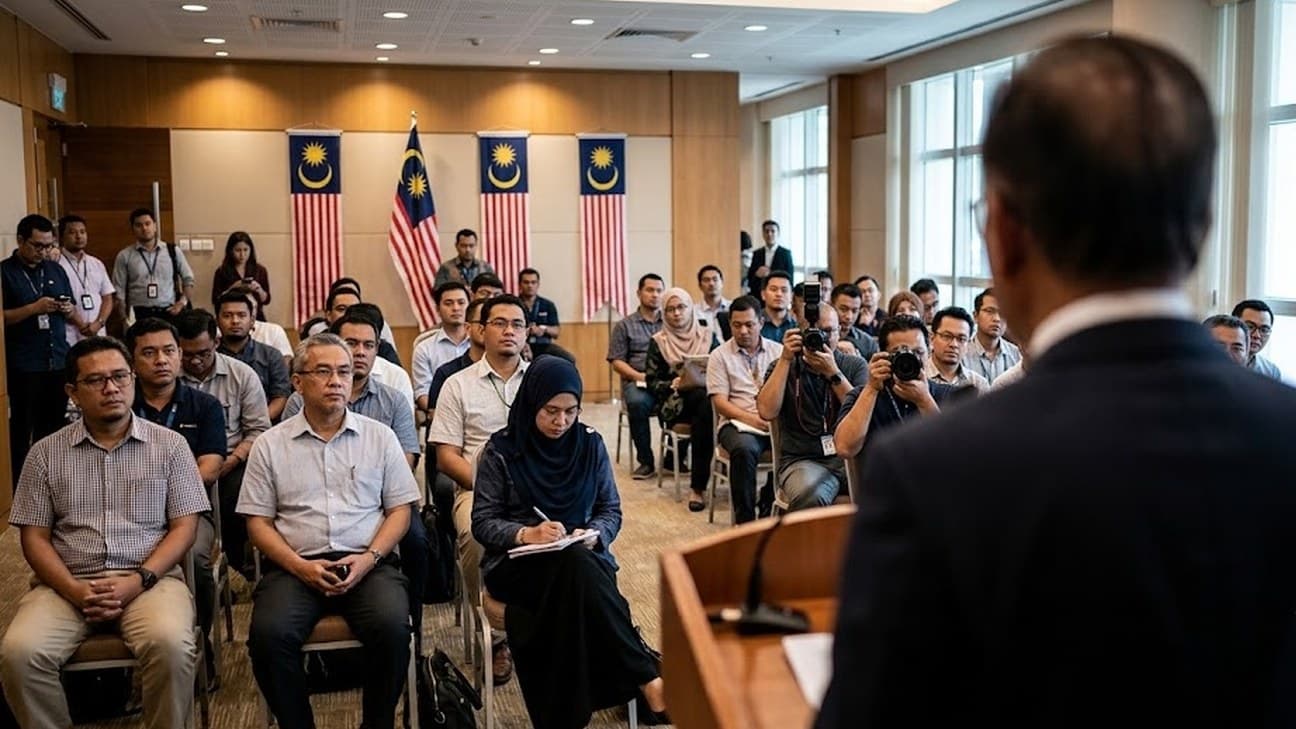
Prime Minister Anwar Ibrahim unveiled PMX.AI on July 18, an AI-powered chatbot avatar of himself accessible over WhatsApp, built by Zetrix AI Bhd (formerly MYEG Services) and trained on his speeches, writings, and the policy positions of his administration. The system is designed as an agentic assistant rather than a simple Q&A bot — Anwar's office says it will eventually handle tasks like driving licence renewals and government payments, in addition to fielding public feedback and questions in English, Bahasa Malaysia, and regional dialects.
The launch immediately ran into capacity problems: users reported the chatbot returning 'temporarily unavailable' messages within hours as traffic overwhelmed the system. Zetrix AI has said user conversations will be analyzed by the Prime Minister's office to gauge public sentiment and inform policy — a data-collection function distinct from the chatbot's public-facing role.
Bybit Goes Locally Licensed in Indonesia, Taking Majority Control of the Former NOBI
Bybit launched a regulated Indonesian trading platform on July 16 after acquiring majority control of PT Enkripsi Teknologi Handal, the entity formerly operating as NOBI, and relaunching it under supervision from Otoritas Jasa Keuangan (OJK), Indonesia's financial services authority. The new platform, Bybit Indonesia, opens with more than 500 trading pairs and is run by former NOBI executives Lawrence Samantha as CEO and Dionisius Evan as COO.
"Sustainable growth can only be achieved through regulatory alignment and responsible operations," Bybit co-founder and CEO Ben Zhou said of the move. Samantha framed the deal as combining "Bybit's global capabilities with an experienced local team that understands Indonesia's market and regulatory environment." The acquisition follows a broader pattern in Indonesia, where OJK took over crypto oversight from the commodities regulator and has since drawn other platforms — including BTSE, via its own local joint venture — into licensed structures rather than offshore access.
Manila's Central Bank Presses GCash and Maya to Justify Fees Still Well Above Cost
The Bangko Sentral ng Pilipinas is reviewing whether GCash and Maya comply with Circular No. 1238, which requires that interbank transfer fees not materially exceed the actual network switching cost — roughly ₱1.50 per InstaPay transaction. Both e-wallets cut their fees from ₱15 to ₱10 earlier this month but have gone no further, and BSP Deputy Governor Mamerto Tangonan said the regulator asked both companies for "an itemized breakdown on how their fees were constructed" to assess compliance.
The pressure follows a wider fee-cutting wave: at least 14 universal and commercial banks, including BDO, BPI, Metrobank, and UnionBank, have already waived InstaPay and PESONet fees entirely for individual customers under the same circular. GCash and Maya — the country's two largest e-wallets — are now the most visible holdouts still charging above the switching cost.
Eyes on the Day Ahead
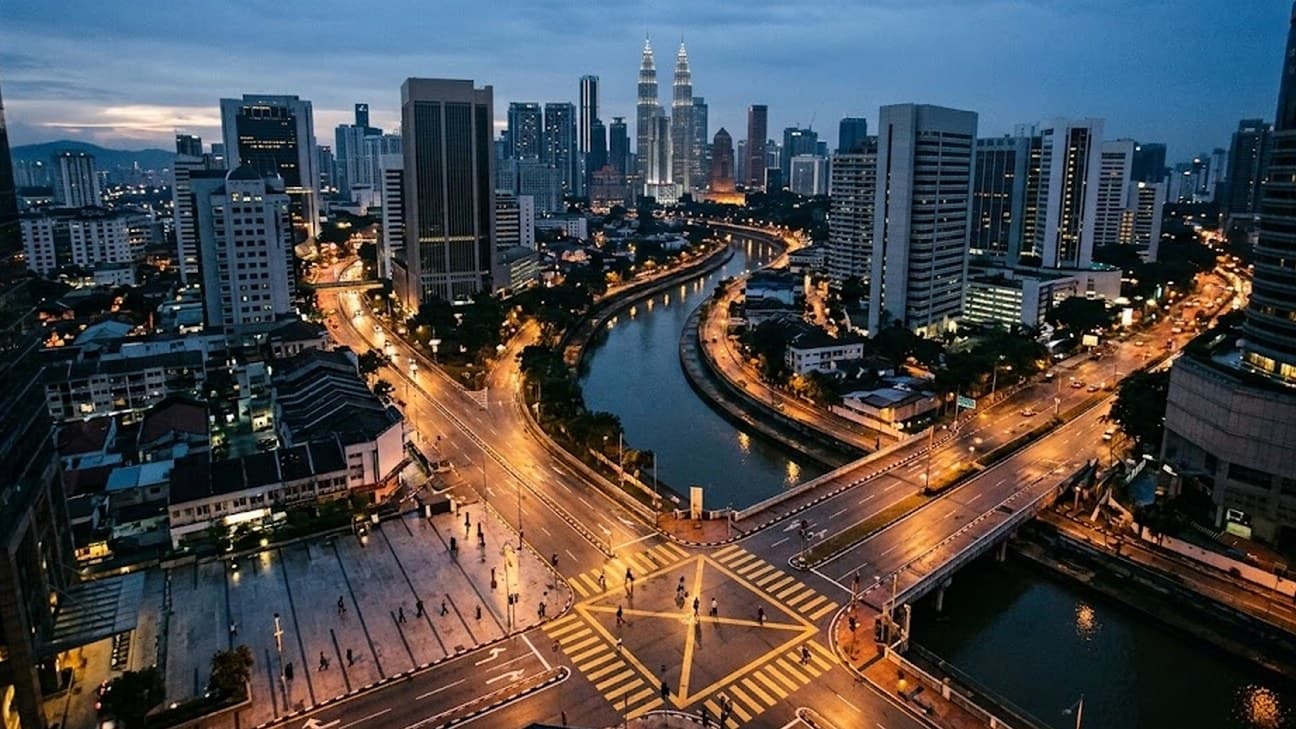
The Fintech Revolution Summit Malaysia convenes tomorrow, July 23, at the Crowne Plaza Kuala Lumpur City Centre, bringing together banking, payments, and digital-lending stakeholders days after the PMX.AI launch put Malaysian government AI adoption back in the spotlight — expect the chatbot's rollout to be a live talking point on the sidelines ahead of Malaysia Blockchain Week's own July 29-30 gathering the following week.
Layer 7 Ventures is a research-driven firm focused on AI and cryptocurrency in Southeast Asia. Views expressed are those of the firm and do not constitute investment advice.