All reports
Daily Brief · Geopolitics · Crypto · FinTech

Vietnam's FTSE Emerging-Market Upgrade Puts $1.5 Billion in Play, Malaysia's Hata Wins the First MYR-BNB License, and the Philippines Crosses 211,000 ID-Free Accounts

FTSE Russell confirmed Vietnam's move from Frontier to Secondary Emerging Market status effective September 21, naming 27 stocks for its global indexes and putting an estimated $1.5 billion in eventual passive inflows in play. In Malaysia, SC-licensed exchange Hata became the first regulated platform in the country to offer direct BNB-ringgit trading, while in the Philippines, Landbank and OFBank passed 211,000 accounts opened without a physical ID under the country's new National ID verification system.

August 23, 20264 min readVietnam · Malaysia · Philippines · Capital Markets · Crypto · Digital Banking
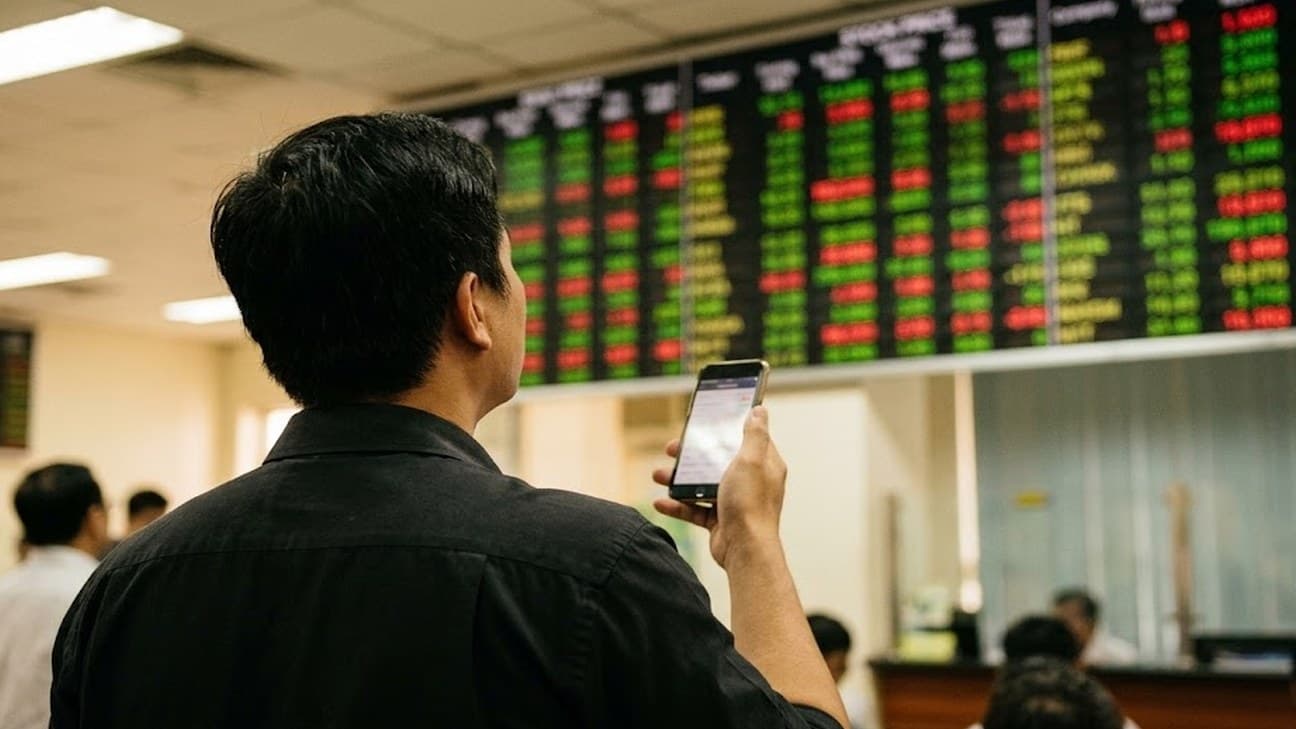
Photorealistic photograph of an investor viewed from behind, checking a smartphone while looking up at a large electronic stock ticker board covered in green and red price movements inside a Vietnamese brokerage investor centre.
An investor checks a stock-trading app in front of a ticker board, the kind of scene playing out across Vietnamese brokerages as FTSE Russell's emerging-market upgrade nears.

FTSE Russell Confirms Vietnam's Emerging-Market Upgrade for September 21, Naming 27 Stocks for the First Tranche

FTSE Russell confirmed Vietnam's promotion from Frontier to Secondary Emerging Market status effective September 21, 2026, and named 27 Vietnamese stocks for inclusion in its Global Equity Index Series — three large-cap issues (Vietcombank, Vingroup, Vinhomes), three mid-cap (BIDV, Hoa Phat, VPBank) and 21 small-cap names including FPT. The change adds Vietnam as the 49th country in the FTSE All-World Index and the 24th in the FTSE Emerging Markets Index, with inclusion phased across four tranches running from September 2026 through September 2027.

The upgrade follows Vietnam's adoption of a non-prefunding trading model, a formal failed-trade management process and simplified account-opening procedures for foreign investors — the specific structural fixes FTSE Russell had flagged since placing Vietnam on its reclassification watch list in 2018. Vietcap estimates roughly $1.4 trillion in global passive assets track FTSE indexes that will now include Vietnam, with passive inflows into Vietnamese equities reaching an estimated $1.5 billion once inclusion is complete.

Hata Becomes the First SC-Licensed Exchange in Malaysia to Offer Direct BNB-Ringgit Trading

Hata, one of five digital asset exchanges registered with Malaysia's Securities Commission, added BNB — the native token of the BNB Chain ecosystem originally created by Binance — to its platform on August 19, letting Malaysian users trade the token directly against the ringgit. Hata chief executive David Low said securing SC approval for the listing had been "a personal goal" since the exchange entered Malaysia's regulated market in 2018, and the company is positioning the launch as the first regulated MYR-BNB pair available in the country.

Malaysia currently licenses five digital asset exchange operators through the Securities Commission, a route that requires clearing compliance, custody and market-conduct checks before a new token can be listed for local trading. Hata's approval clears that process specifically for BNB, distinguishing the listing from the token's existing availability on unlicensed offshore platforms accessible to Malaysian users without the same investor protections.

Landbank and OFBank Cross 211,000 ID-Free Accounts Under the Philippines' National ID System

State-owned Landbank and its subsidiary Overseas Filipino Bank (OFBank) said they have opened 211,000 accounts since July 2026 without requiring customers to present a physical government-issued ID, using real-time verification against the Philippine Statistics Authority's National ID database. The banks formally adopted the National ID Authentication Services (NIDAS) system, which relies on facial-matching technology, through a subscription contract signed August 14.

The two banks join BPI, GoTyme Bank, Asia United Bank and GCash in adopting NIDAS-based onboarding. BPI has reported a 50% increase in account openings since implementing comparable National ID verification, with 85% of its new accounts now opened that way.

Eyes on the Day Ahead

Nothing new is scheduled in the next 24-48 hours; looking further out, FTSE Russell publishes its final index review files for Vietnam's inclusion on September 4, which will set the exact weightings behind today's estimated $1.5 billion inflow figure, ahead of the reclassification taking effect after the close of trading on September 18.

Layer 7 Ventures is a research-driven firm focused on AI and cryptocurrency in Southeast Asia. Views expressed are those of the firm and do not constitute investment advice.
More Research

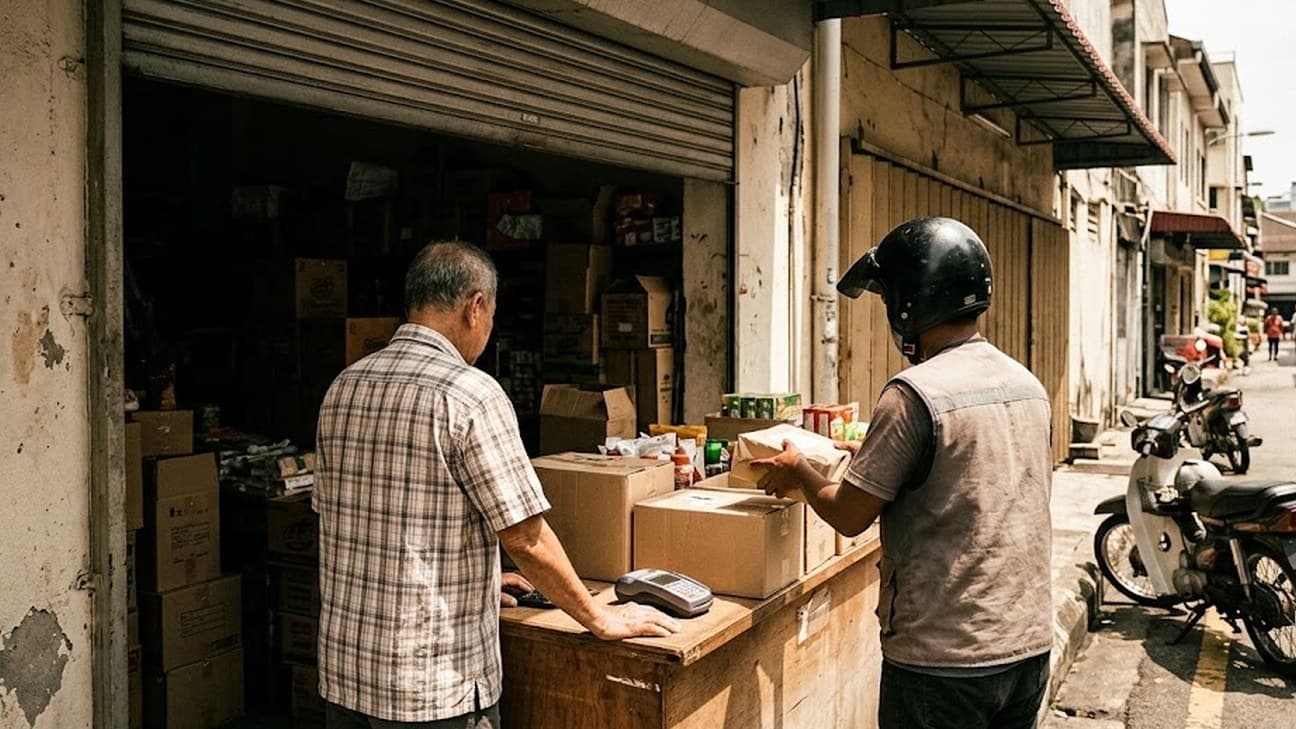
A shopkeeper in a plaid shirt and a helmeted delivery rider face each other across the counter of a Kuala Lumpur shophouse in harsh midday sun, with a card payment terminal and stacked cartons on the counter and motorbikes parked at the kerb.
Daily Brief · FinTech · Geopolitics4 min

SEA Daily Brief: Malaysia Lifts SME Financing to RM57 Billion and Tops Up BNM's Relief Facility, Thailand Plans an SME Credit Portal, and Vietnam Wins Its First Investment-Grade Rating

Malaysia's Budget 2027 raises SME loan facilities and financing guarantees to RM57 billion from RM50 billion, while Bank Negara Malaysia adds RM5 billion to its SME Stabilisation Relief Facility after RM3.8 billion of the first tranche was approved. The Bank of Thailand outlined an SME credit portal, an alternative data exchange and a five-year guarantee scheme aimed at about 100 billion baht of new SME lending a year, after a four-year decline. Japan's R&I upgraded Vietnam to BBB-, the first investment-grade rating from an international agency, while Moody's, S&P Global and Fitch still rate it sub-investment grade.

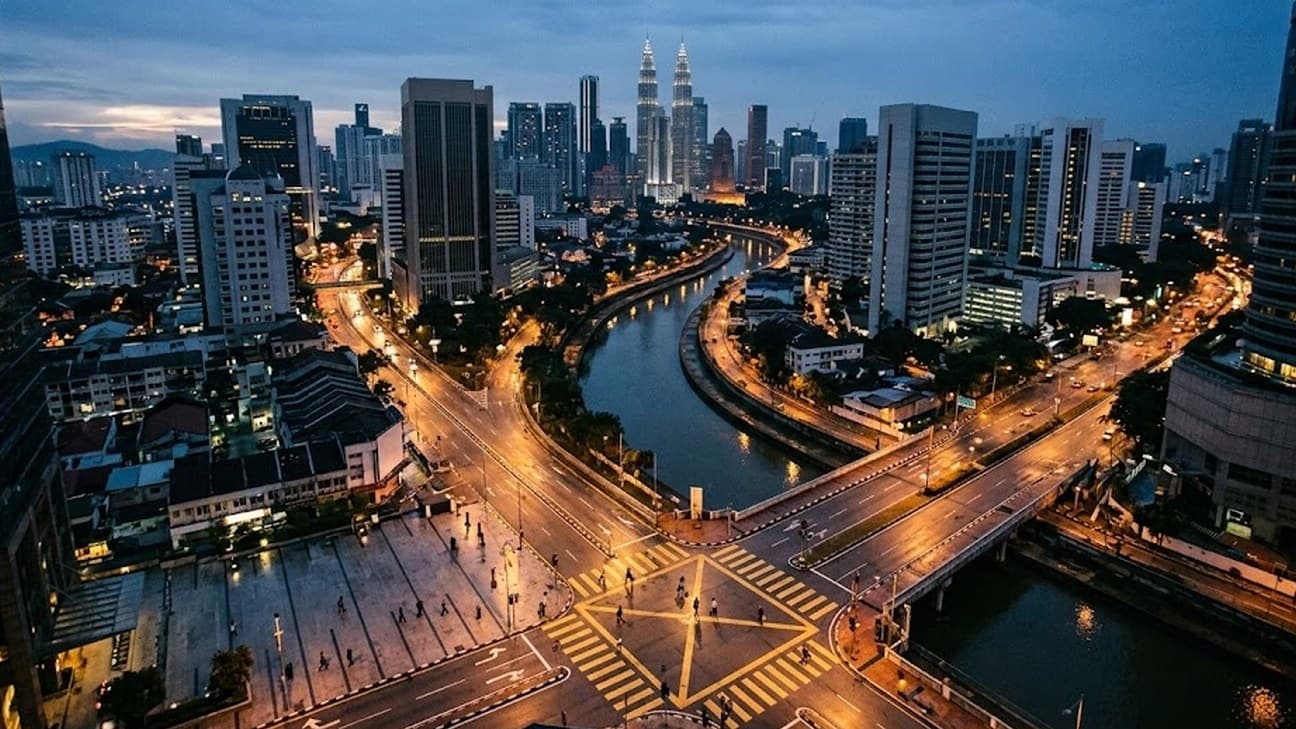
High-angle view of a Kuala Lumpur financial district at pre-dawn blue hour, with office towers, a river bend and a few tiny pedestrians crossing a floodlit plaza and a marked crosswalk.
Daily Brief · FinTech · AI4 min

SEA Daily Brief: Malaysia's Budget 2027 Backs Startups and Crowdfunding, the SC Reports 2025 Restitution Figures, and UOB Explores a Dedicated AWS Cloud for ASEAN

Malaysia's Budget 2027, tabled on 9 October, earmarks RM450 million for startups through Jelawang Capital and Dana Perintis and RM270 million to draw private capital into equity crowdfunding and P2P platforms, with no distribution mechanism disclosed. The Securities Commission told Parliament it returned RM1.98 million to 239 investors in 2025 and has set aside RM8.6 million for 933 more. UOB signed an MoU with AWS to explore a dedicated Singapore cloud environment for its five ASEAN markets, with no financial terms or timeline given.

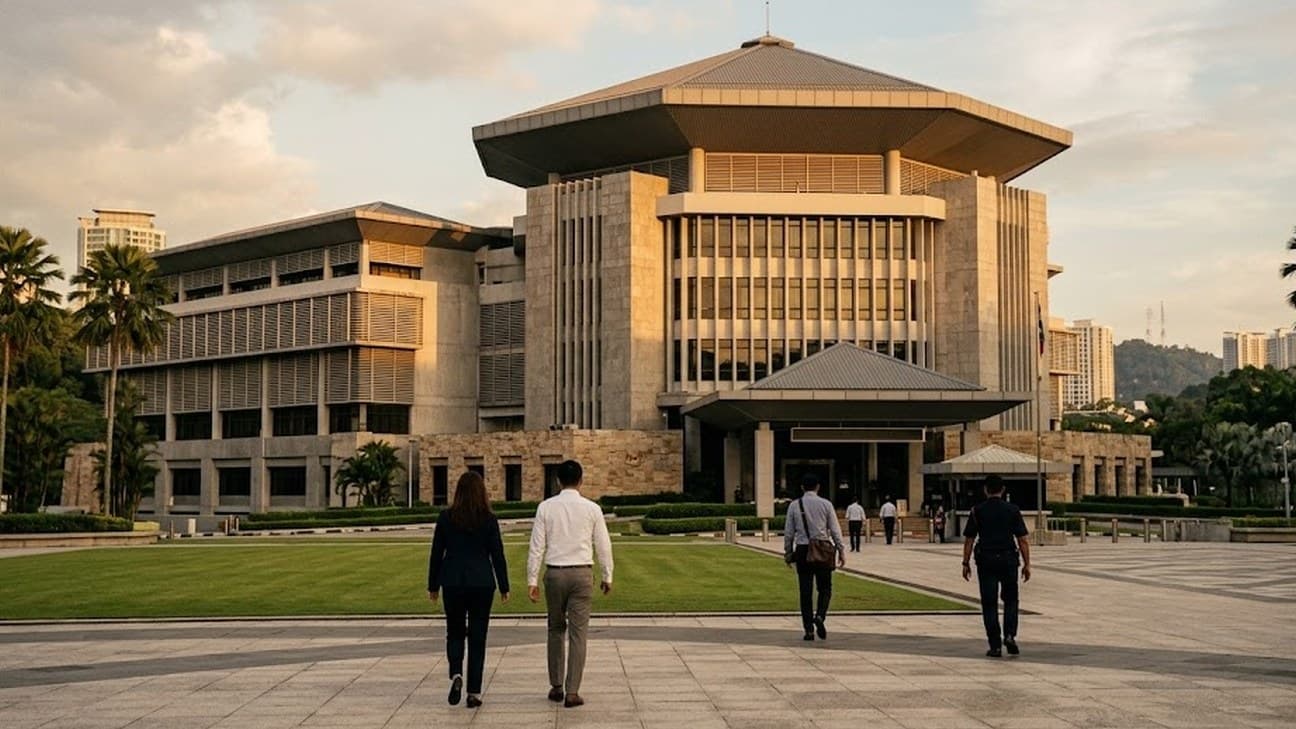
Office workers and a security guard walk across a stone forecourt toward a modern government building with a sweeping roofline in Kuala Lumpur, lit by low golden-hour sun with palm trees and a lawn in the foreground.
Daily Brief · FinTech · Crypto · AI4 min

SEA Daily Brief: Malaysia's Budget 2027 Proposes Tokenised Retail Sukuk, Singapore Licenses Large Data Centres, and the NSRC Plans an AI Scam-Check App

Prime Minister Anwar Ibrahim proposed a blockchain-based retail savings sukuk in Budget 2027, tabled on 9 October, with no launch date, minimum investment or return disclosed. Singapore's Parliament passed the Digital Infrastructure Bill on 7 October, creating licensing regimes for data centres of 10MW or more and large cloud providers. Malaysia's National Scam Response Centre also plans an AI application to check suspicious numbers, accounts and links, with no funding or launch date stated.

Stay Informed

Get the next report in your inbox.