Malaysia's Finance Ministry Names AI a Budget 2027 Priority Sector, Alongside Semiconductors and Energy Transition
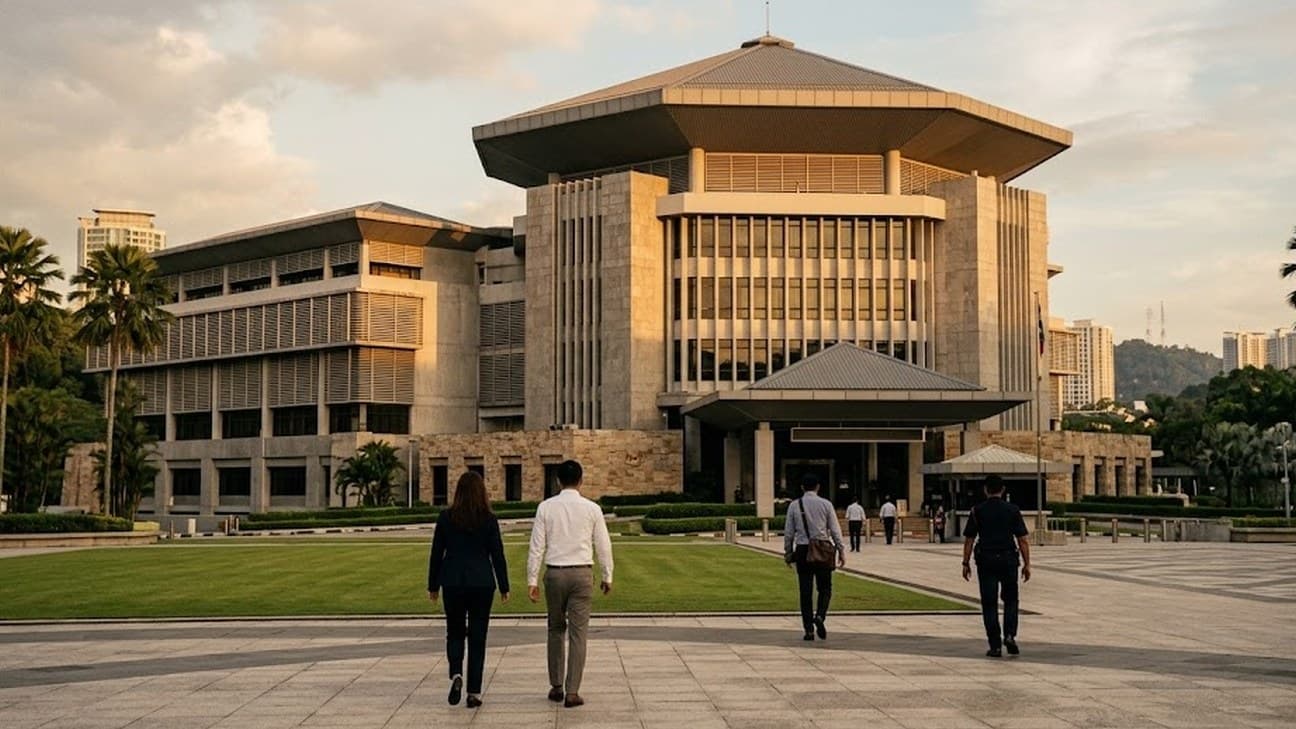
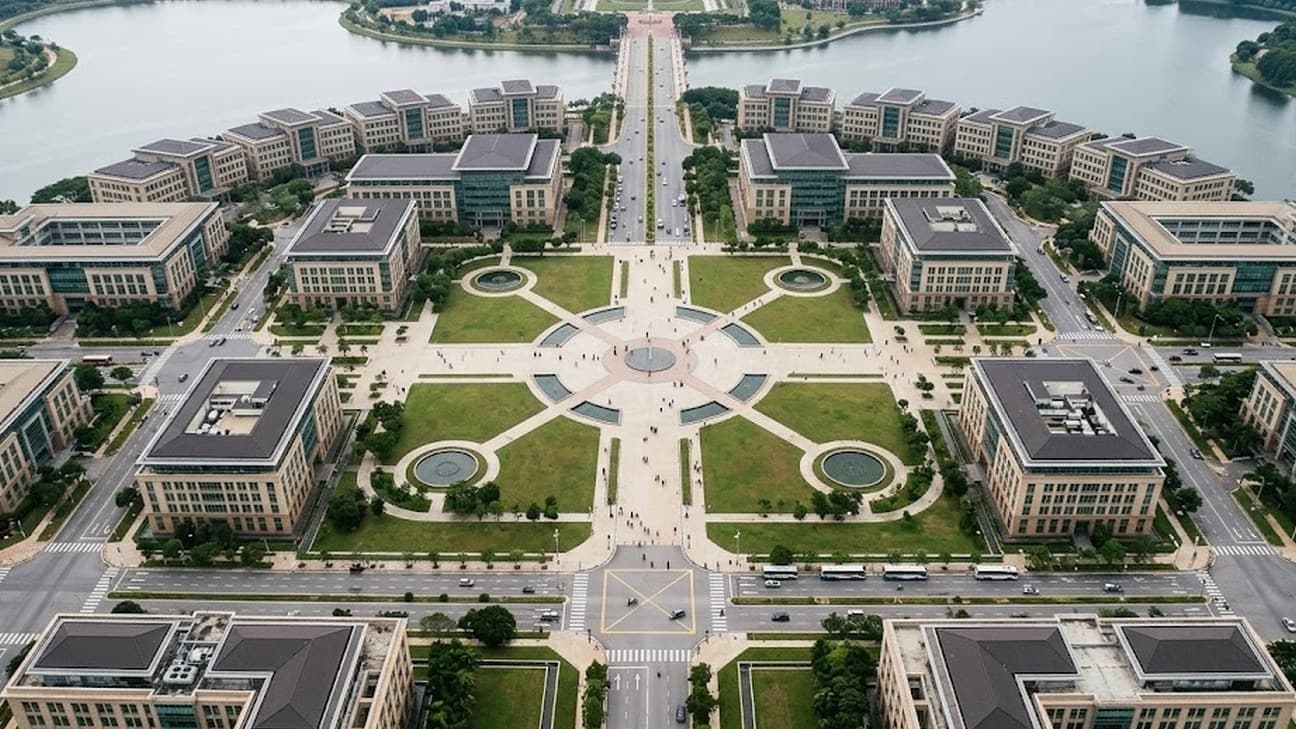
Malaysia's Ministry of Finance said in a statement Tuesday that Budget 2027 will target high-value investment into a defined list of strategic sectors — semiconductors, artificial intelligence, digital services, energy transition, pharmaceuticals, logistics and aerospace — invoking the National AI Action Plan 2026-2030 and the "AI untuk Rakyat" initiative as the policy frameworks behind the AI push. The ministry also flagged a MYR10 billion (about $2.46 billion) BNM-CGC guarantee scheme to support MSME financing, and said new data-centre incentives will be tied to energy and water efficiency metrics rather than granted unconditionally.
The statement is a pre-budget priority list, not an appropriations bill — Budget 2027 is expected to be tabled in Parliament on October 9, and separate reporting this week from Prime Minister Anwar Ibrahim's own budget messaging has centered on cost-of-living relief for the M40 middle-income group rather than AI. Malaysia currently sits 15th in the IMD World Competitiveness Ranking 2026 and has said it wants to reach the top 12.
Vietnam's Deputy PM Sets a Trust-First Line for Digital Assets Ahead of Its Pilot Exchange Licensing
Deputy Prime Minister Ho Quoc Dung told delegates at the Conviction 2026 forum in Ho Chi Minh City on August 14 that digital-asset development in Vietnam "must be associated with transparency, legal compliance, investor protection, market safety and prevention of violations," and that AI development separately "must be people-centred, ensuring transparency, accountability, data safety, cybersecurity and human control appropriate to the risk level of each system." He called on Ho Chi Minh City specifically to "play a pioneering role in developing, testing and scaling up new models, products and approaches" that could later be replicated nationwide, and noted Vietnam now has more than 80,000 digital technology enterprises.
The remarks came at a forum convened under the Law on Digital Technology Industry, which took effect January 1 and gave Vietnam its first legal framework for digital assets and blockchain, and under Government Resolution 05, which is piloting a licensed crypto-asset market that has not yet approved any exchange — the pilot is expected to run five years and approve roughly five platforms, with at least MBBank, SSI Securities, VIX Securities, Techcombank and VPBank having publicly announced plans to apply.
Sources
- VietnamPlus — Ho Chi Minh City Urged to Lead in Developing, Testing New Technology Models: Deputy PM
- Nhan Dan — Ho Chi Minh City Urged to Lead in Developing, Testing New Technology Models: Deputy PM
- VnEconomy — Conviction 2026: Driving Digital Growth Through AI, Blockchain, and Policy Integration
- Yahoo Finance — Vietnam Opens Crypto Exchange Licensing as Major Banks Prepare Market Entry
Thunes Adds Circle's Euro Stablecoin to Its Treasury Rails, Extending a 2024 USDC Tie-Up
Singapore-headquartered cross-border payments firm Thunes said this week that eligible members of its Direct Global Network can now use Circle's MiCA-compliant euro stablecoin EURC to prefund transactions and manage treasury flows, available across Ethereum, Solana, Base and Stellar. The addition lets network members — which include fintechs, neobanks and payment service providers — move euro liquidity 24/7, including on weekends and holidays when traditional banking rails are closed, and builds on a USDC-powered liquidity arrangement Thunes and Circle launched in October 2024.
Thunes' Direct Global Network already bridges more than 90 fiat currencies, and its members span fintechs, neobanks, payment service providers and gig-economy platforms. The EURC expansion is a treasury-operations feature, not a new consumer-facing product — it extends the existing USDC arrangement rather than replacing it.
Eyes on the Day Ahead
Watch for further detail on Malaysia's Budget 2027 incentive schedule as the October 9 tabling date approaches, and for any of the Vietnamese banks and securities firms preparing crypto-exchange applications — MBBank, SSI Securities, VIX Securities, Techcombank and VPBank among them — to formally submit under Resolution 05 following the Conviction 2026 forum's policy signaling.
Layer 7 Ventures is a research-driven firm focused on AI and cryptocurrency in Southeast Asia. Views expressed are those of the firm and do not constitute investment advice.