Singapore's Data-Centre Rationing Pushes Capacity Into Johor, Bangkok and Jakarta
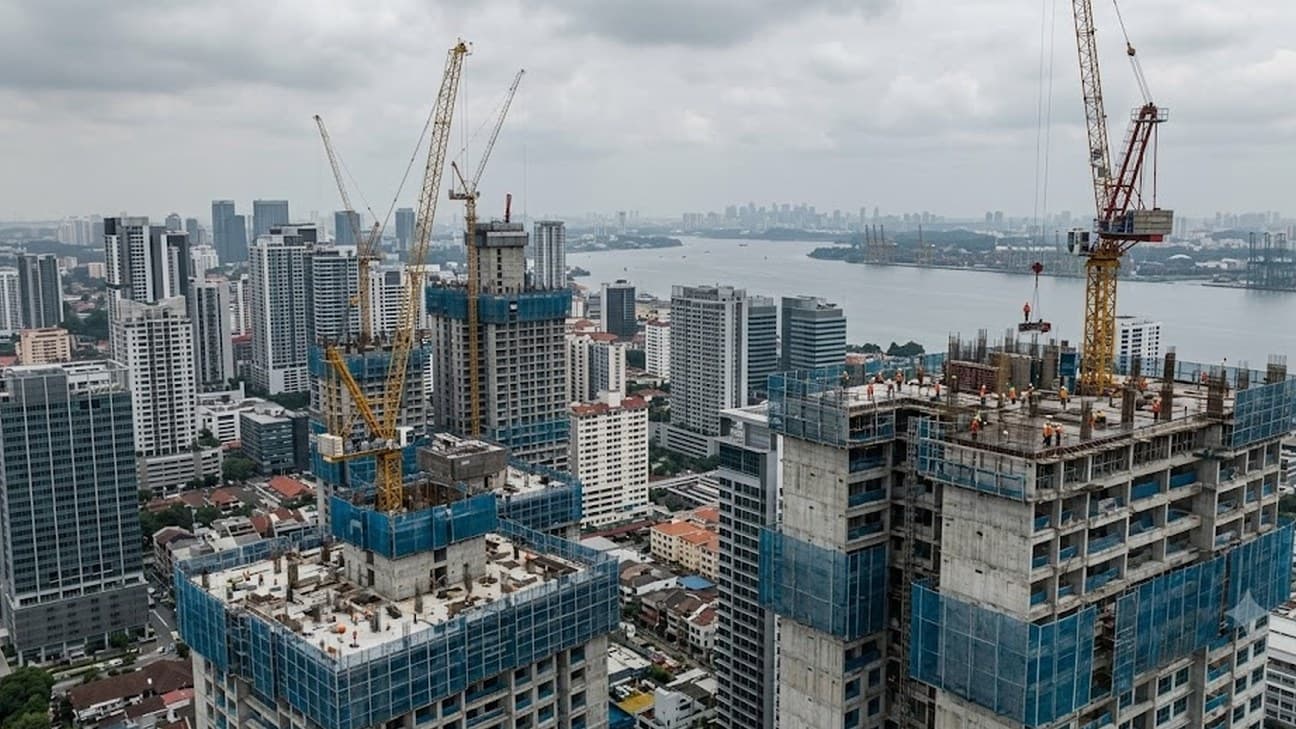
Singapore's data-centre approval regime remains one of the most selective in the region: the Infocomm Media Development Authority and Economic Development Board opened a second Data Centre Capacity Allocation call in December 2025 for at least 200MW of new capacity, conditional on operators hitting a Power Usage Effectiveness below 1.25 and sourcing at least half their electricity from renewables. Singapore's more than 1.1 gigawatts of live capacity already draws about 7% of the country's electricity, a share the government expects to reach 12% by the end of the decade — the constraint underlying nearly a decade of rationed approvals.
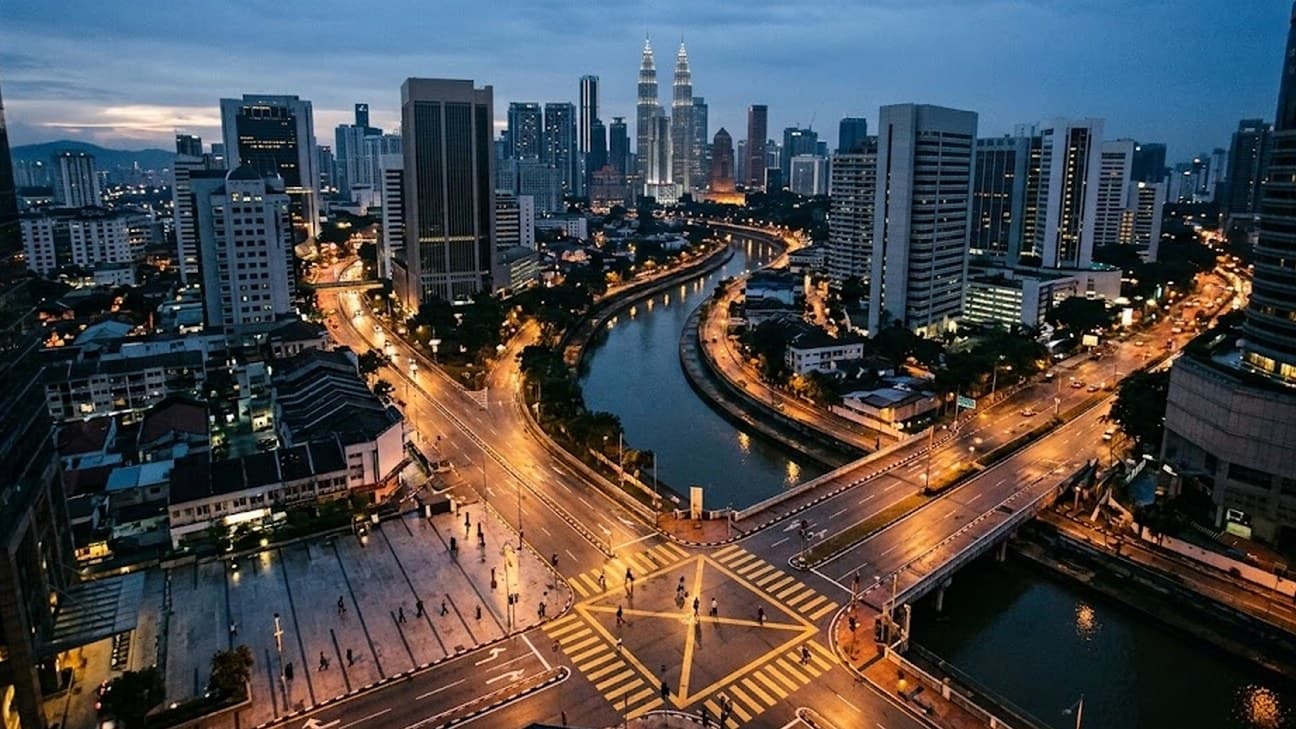
The spillover has a clear geography. Colocation vacancy sits at just 0.7% in Johor, against 4.9% in Singapore, 20.5% in Jakarta and 23.3% in Bangkok, according to Knight Frank data cited by TechNode Global — evidence that operators unable to secure Singapore approvals are landing overwhelmingly in Johor rather than spreading evenly across the region. Johor now has more than 1GW of live IT capacity; Jakarta has 329MW under construction and a further 1.6GW committed; Bangkok is forecast to reach 402MW by 2027. Business intelligence firm BMI separately named Johor "the largest beneficiary" of the spillover, citing lower land costs, greater electricity availability and the Johor-Singapore Special Economic Zone's incentive structure.
OpenAI Bans a Cambodia-Based ChatGPT Network Built on Fake Passports and Trading Dashboards
OpenAI disclosed on July 31 that it had banned a coordinated network of ChatGPT accounts assessed as very likely operating out of Poipet, a Cambodian border city long linked to scam compounds. The investigation, which OpenAI said began after a tip from WhatsApp, found the accounts were used to generate fake personas, translate scripted messages across languages, and produce forged documents — including fake passports, legal notices, stock-purchase confirmations and fabricated crypto and precious-metals trading dashboards — to run romance, investment and law-enforcement-impersonation scams.
OpenAI's own review also surfaced evidence of labor trafficking within the operation: recruitment material advertised free housing, meals and visa assistance to workers hired as "chatters" in Poipet, while internal records referenced debt tracking and penalties consistent with debt bondage. The disclosure cites broader context on the scale of the problem — illicit crypto flows reaching an estimated $158 billion in 2025, up 145% year-on-year, with stablecoins accounting for roughly 84% of the fraud-linked inflows identified.
Southeast Asia's Payments Startups Have Raised $2.7 Billion — Two Companies Hold 83% of It
A new Tracxn ranking of the region's 12 most-funded payments startups puts combined lifetime equity funding at $2.7 billion, but the distribution is heavily skewed: Airwallex alone accounts for roughly $1.9 billion, or about 70% of the total, and the top two companies together hold 83%. Singapore hosts nine of the twelve companies on the list, with Indonesia and Vietnam each contributing one.
Funding activity in 2026 has stayed selective rather than broad: four of the twelve companies raised rounds this year — Airwallex ($320 million in June), MetaComp ($13 million), dtcpay ($10 million) and Qashier ($6 million) — while Tracxn notes most of the remaining companies on the list are still at seed to Series A stage.
Eyes on the Day Ahead
Nothing on the regulatory calendar closes in the next 24-48 hours, so the near-term item to track sits a few days out: SPiCE Southeast Asia 2026 convenes regulators, exchanges and institutional investors in Bangkok from August 5-7, with Thailand's digital-asset licensing and baht-backed stablecoin plans expected to feature on the agenda.
Layer 7 Ventures is a research-driven firm focused on AI and cryptocurrency in Southeast Asia. Views expressed are those of the firm and do not constitute investment advice.