CGS International Finds Malaysia's Memory-Led Export Boom Has Not Yet Lifted Competitiveness, Wages or Investment
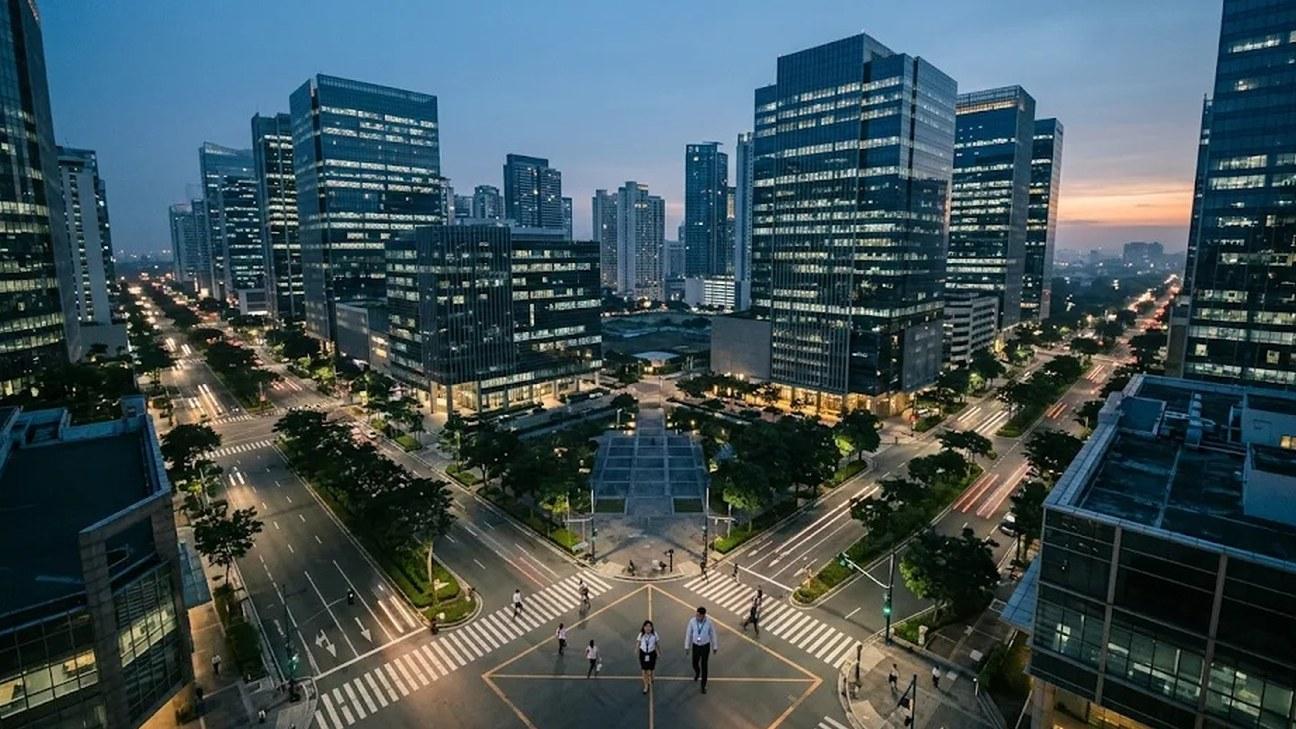
Malaysia's technology-related exports rose about 55 percent year-on-year in September, helping the monthly trade surplus to a second record high of MYR 34 billion (US$8.38 billion), TNGlobal reported on 30 October, citing a research note from CGS International. Growth was concentrated in electrical and electronics (E&E) products, especially memory, solid-state devices and IC parts linked to AI and data centre demand. Electrical machinery accounted for about 40 to 50 percent of export growth year-to-date, and the US was the largest contributor, adding about 10 to 15 percent. Memory exports rose 243 percent year-on-year year-to-date, broadly in line with the WSTS forecast of 249 percent growth in global memory sales.
CGS attributes the surge mainly to higher global demand for memory rather than market share gains. Its Revealed Comparative Advantage analysis found no significant improvement in Malaysia's RCA index. E&E employee compensation has been broadly flat since 2022-2023, industry employment did not record a significant increase in the first eight months of 2026, and quarterly sector investment approvals stayed in the RM5 billion to RM10 billion range, against MYR 40 billion to MYR 80 billion peaks in 2021-2023. Manufacturing capacity utilisation reached 87.7 percent in June 2026, its highest since 2015. CGS notes that wage, hiring and investment effects typically lag export growth and may still emerge.
Maya Targets a 2027 IPO as Chairman Manuel Pangilinan Backs a Philippine Listing Even if It Also Lists Overseas
Philippine digital bank Maya is now targeting an initial public offering in 2027, pushing back an earlier target of the second half of 2026, Fintech News Philippines reported on 29 October. Chairman Manuel V. Pangilinan told reporters he had "no objection" to a Nasdaq listing but wants Maya to list in the Philippines as well. Maya has not announced a final listing structure or schedule. The offering is meant to raise fresh capital and give some existing investors an exit. PLDT and First Pacific together hold 39.6 percent of Maya, and other shareholders include KKR, Tencent and the International Finance Corporation.
A day earlier, Fintech News Philippines reported that Philippine Stock Exchange President and CEO Ramon Monzon had urged Maya to follow GCash with a local IPO and proposed a dual listing as a compromise, while Maya's private equity investors reportedly prefer an overseas offering, possibly for a better valuation. GCash parent Mynt raised PHP 60.9 billion in its IPO and debuted on the PSE with a market capitalisation of about PHP 442 billion. Maya reported net profit of PHP 1.7 billion in 2025 and deposits of PHP 86 billion as of June, and its loan book grew to PHP 39 billion, according to Philstar.
MAS Extends Car Loan Limits to Individually Owned Private Hire Cars, Capping Financing at 60 to 70 Percent From 30 October
From 30 October 2026, individuals buying private hire cars in Singapore, including sole proprietors, are subject to the same motor vehicle financing restrictions as other private car buyers, the Monetary Authority of Singapore (MAS) said in a media release on 29 October. The maximum loan-to-value ratio is 70 percent of the purchase price for cars with an open market value (OMV) of S$20,000 and below, and 60 percent above that, including relevant taxes and the Certificate of Entitlement (COE). Loan tenure is capped at seven years. The limits cover loans from financial institutions and licensed or exempt moneylenders, as well as hire purchase and conditional sale agreements, and apply where the sales agreement is signed, or if there is none, the COE is obtained, on or after 30 October. Business-owned private hire cars, commercial vehicles and motorcycles remain exempt.
Individually owned private hire cars were previously exempt because they were treated as commercial use. MAS cited a recent surge of about 500 individual-owned self-drive private hire car registrations a month, and said some buyers may be using the category mainly to access more permissive financing without intending to provide private hire services. The government considered a separate COE category for private hire and car-leasing companies but rejected it, saying it would likely raise rentals for drivers and fares for passengers. It said it may extend the restrictions to other arrangements such as in-house loans, and will work with platform operators on implementation.
Eyes on the Day Ahead
Today, 1 November, Bank Negara Malaysia's revised Framework for Electronic Trading Platforms takes effect and the Bank of Thailand's tighter checks on cash transactions of 5 million baht or more begin. Beyond those, no confirmed regulatory deadline falls in the next 24 to 48 hours. Over the coming days, watch whether Malaysia's next trade data show the E&E export moderation CGS expects, whether Maya's board settles on a listing venue, and whether MAS moves on in-house car financing.
Layer 7 Ventures is a research-driven firm focused on AI and cryptocurrency in Southeast Asia. Views expressed are those of the firm and do not constitute investment advice.